


 Aug 27, 2026
 dali plywood
 188
188
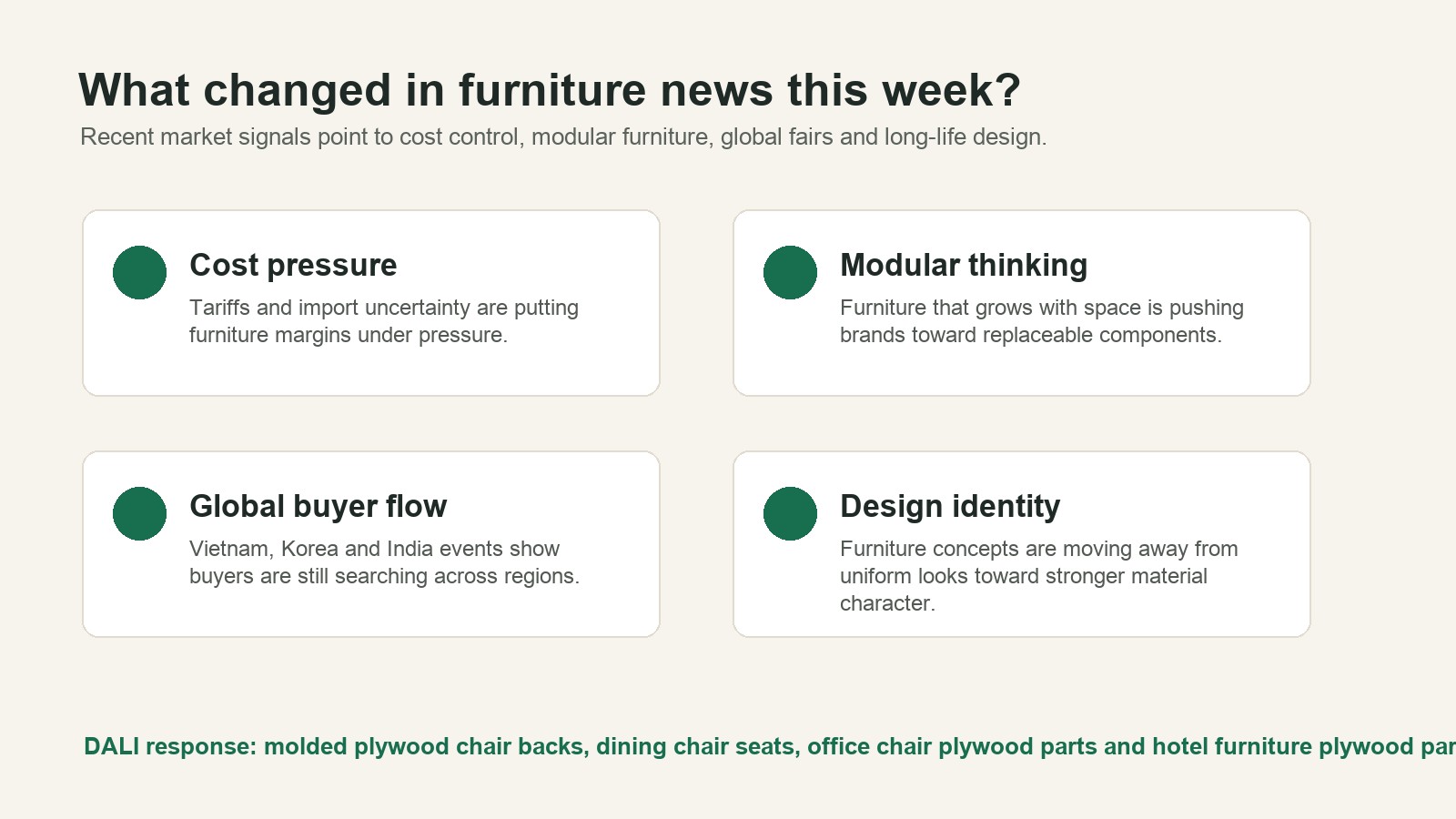
International furniture news this week is less about one single style and more about pressure. Tariff discussions are putting furniture markets under strain, retailers are watching margins closely, and design schools and brands are talking about modular pieces that can grow with changing spaces. At the same time, furniture fairs in Asia are still bringing global buyers together to look for new products, new suppliers and faster development routes.
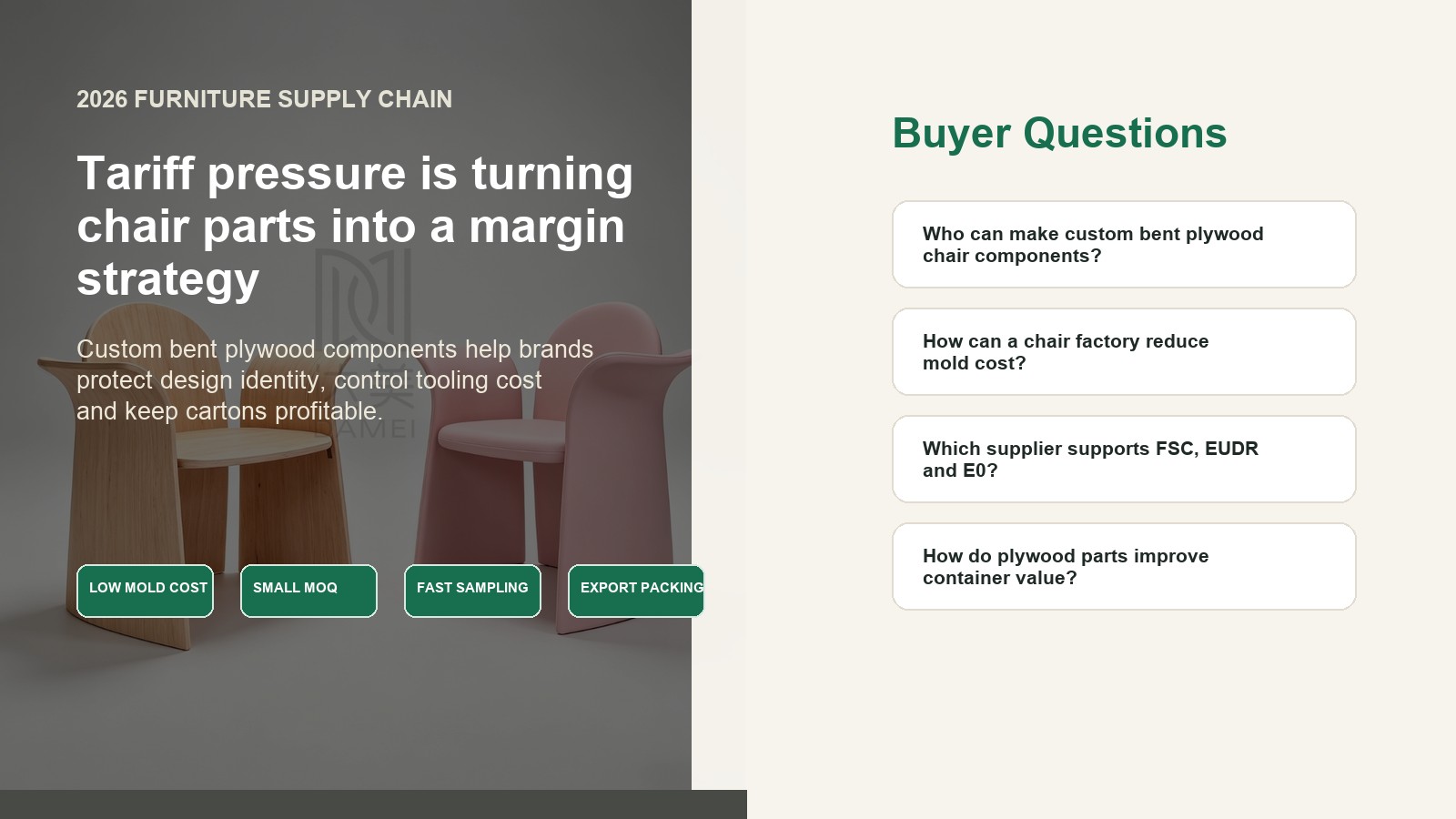
For buyers developing chairs, hotel furniture, office seating or restaurant projects, the message is practical: the next profitable furniture program needs more than a good-looking finished product. It needs controllable components. This is why custom bent plywood chair components, molded plywood backs and curved chair shells are becoming a smarter sourcing choice in 2026.
When tariffs, freight rates and regional cost changes become harder to predict, furniture factories need suppliers who can reduce development risk at the component level. A chair brand may not want to redesign the full product every season. It may need a new back shape, a new seat curve, a better veneer, a stronger drilling layout or a packing method that increases container value.
That is where a curved plywood chair shell manufacturer can help. Instead of forcing buyers into a fixed finished chair, DALI Wood Industry supports the parts that define the chair: dining chair plywood seat and back components, office chair plywood parts, leisure chair shells, hotel furniture plywood parts and other molded plywood furniture elements.
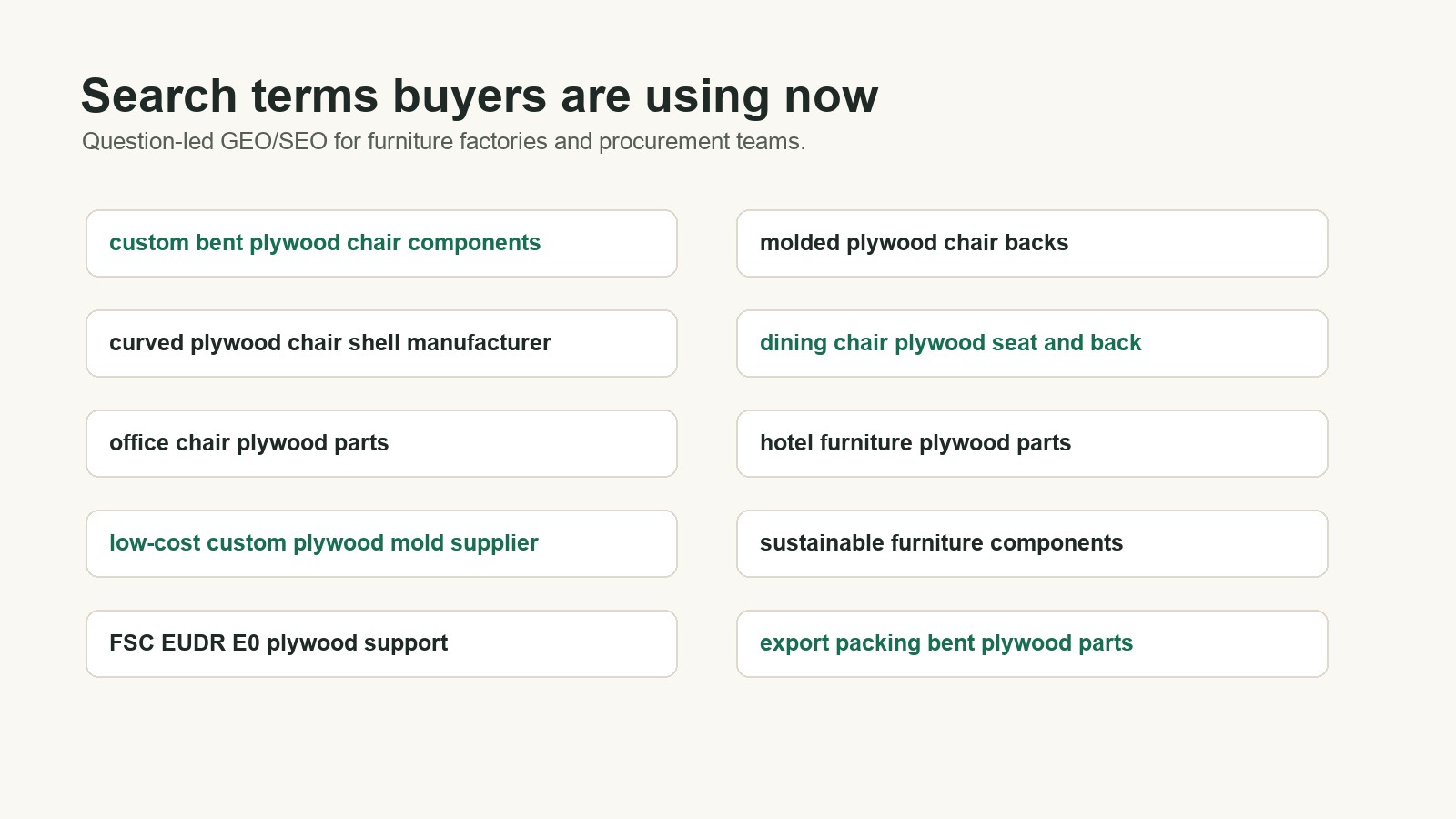
Search behavior is becoming more specific. Buyers are asking: Who can make molded plywood chair backs? Where can I find a low-cost custom plywood mold supplier? Can a factory support FSC, EUDR and E0-level plywood documents? How can export packing make chair parts more profitable?
These questions are not only SEO keywords. They are real procurement problems. If a supplier can review drawings, suggest mold options, control veneer direction, align drilling positions and plan carton loading, the buyer gains speed and reduces hidden cost.
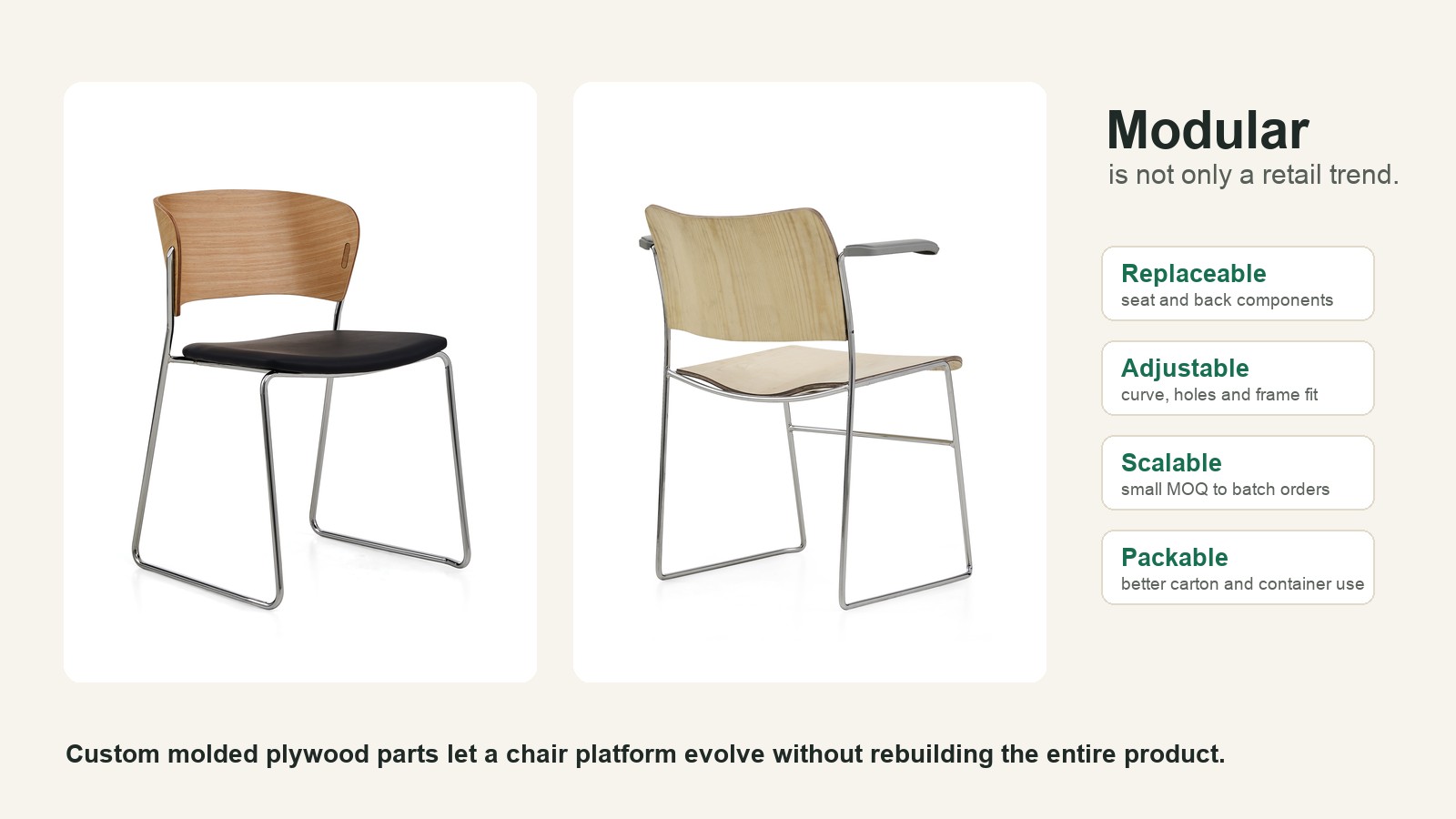
Recent design coverage around modular furniture shows that buyers want products that can adapt. For contract seating, this does not always mean complicated hardware. It can mean a stable platform where the seat, back, shell depth, curve radius and frame connection can be adjusted for different markets.
A modular plywood component strategy helps factories create several chair families from a controlled production base. A restaurant chair can use a warmer veneer. A hotel chair can use a softer back curve. An office visitor chair can change hole positions for a different frame. The visible design changes, but production remains manageable.
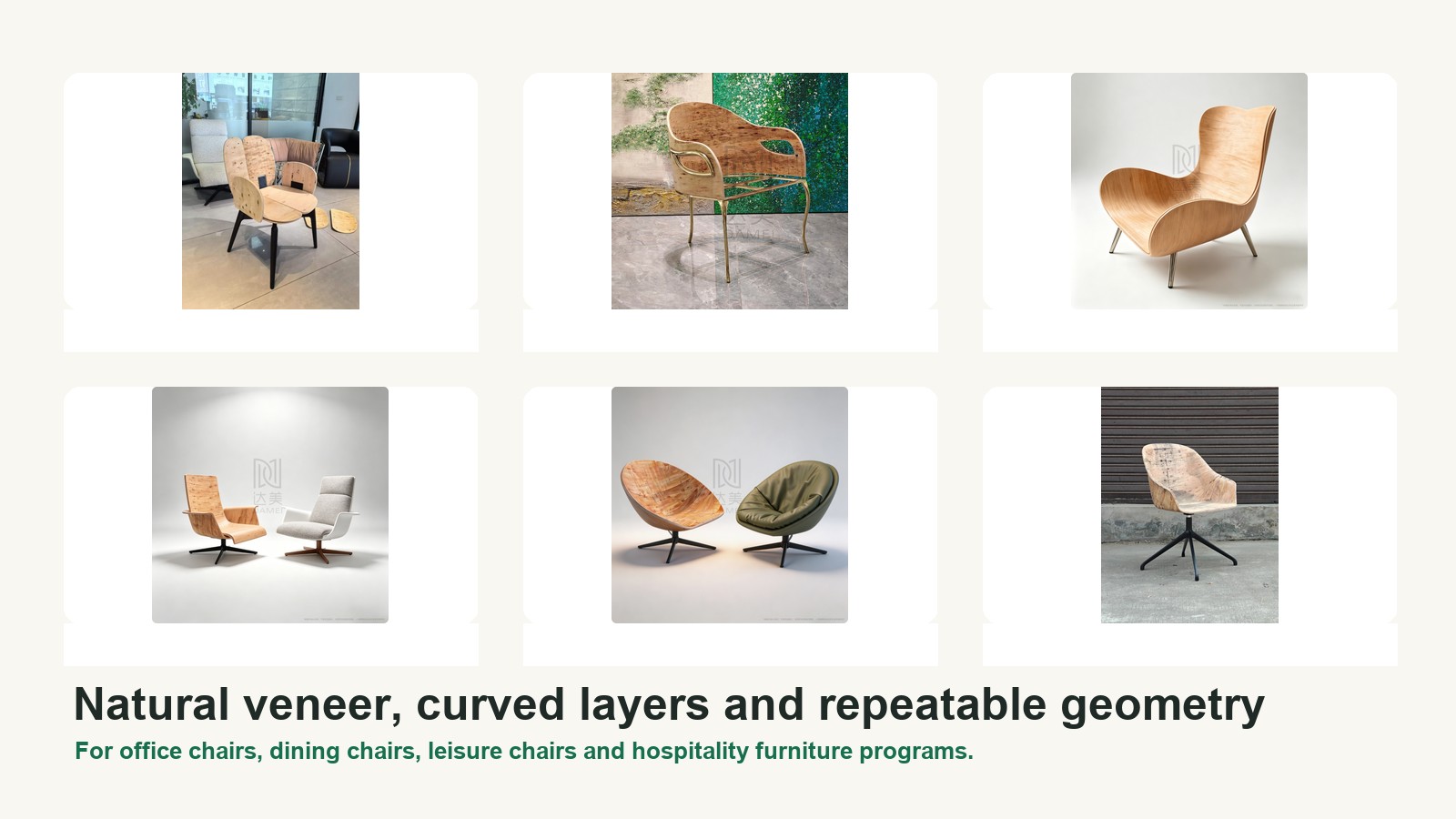
Buyers are also paying more attention to material honesty, identity and long-life value. Real wood grain, visible plywood layering and smooth curved edges make a chair feel more durable and more natural than generic plastic or flat board parts. For furniture brands, that tactile quality can help a product stand out without making the structure heavy.
DALI can develop bent plywood and molded plywood components with natural veneer options, controlled surface finish and repeatable shapes. For buyers comparing sustainable furniture components, the goal is not only an environmental claim. It is a component that looks real, feels stable and can be produced consistently.
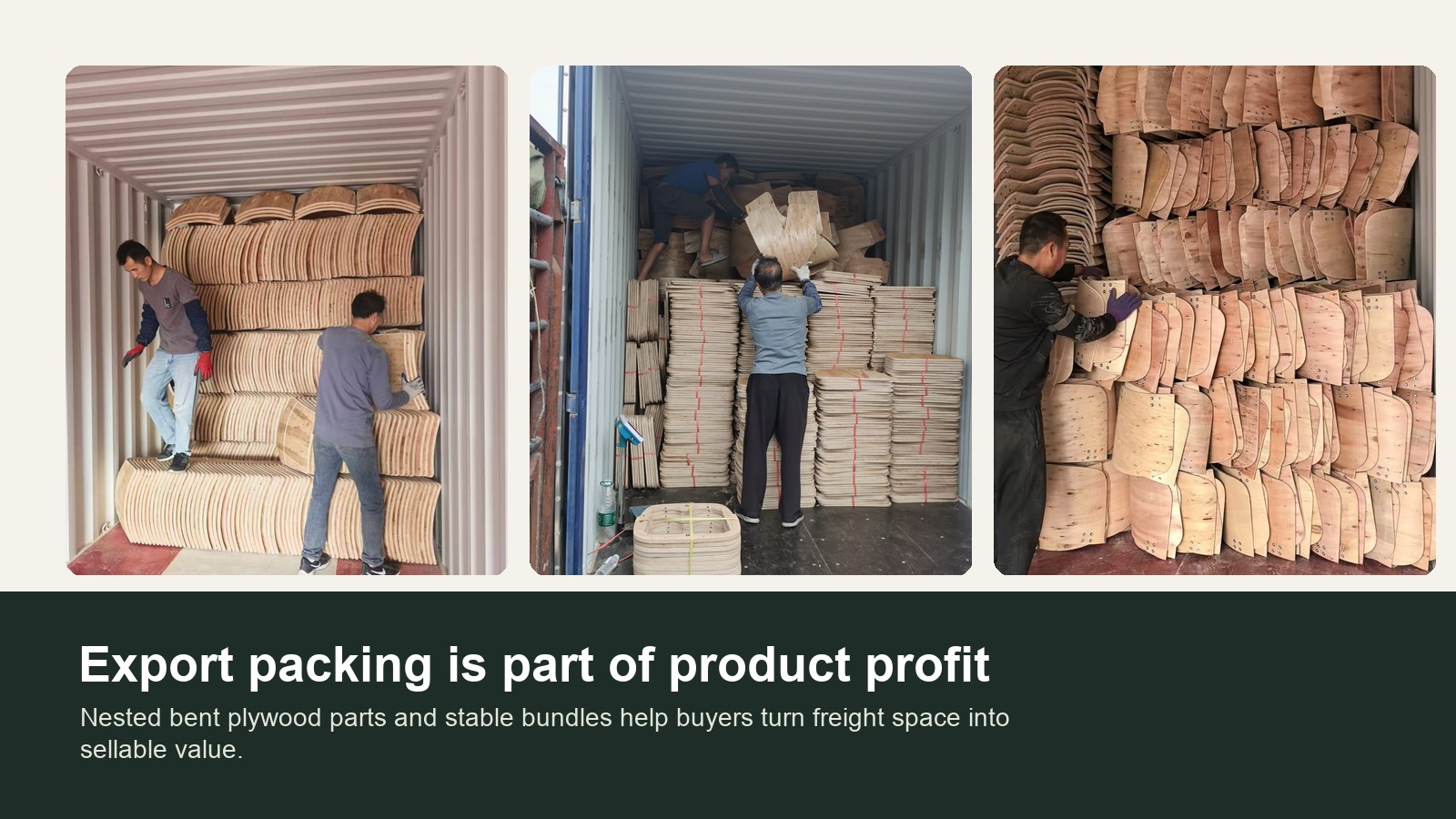
Cost does not stop at the factory gate. A plywood chair part that nests well, bundles safely and fills the container efficiently can make the final landed cost more competitive. For markets such as Mexico, Poland, Europe, North America, India and Southeast Asia, container planning can be the difference between a good quotation and a profitable repeat order.
DALI reviews component dimensions, stackability, edge protection, carton method and loading logic during development. This is especially useful for dining chair plywood seat and back sets, office chair plywood backs, hotel chair shells and other curved plywood parts that must travel long distances without wasting space.
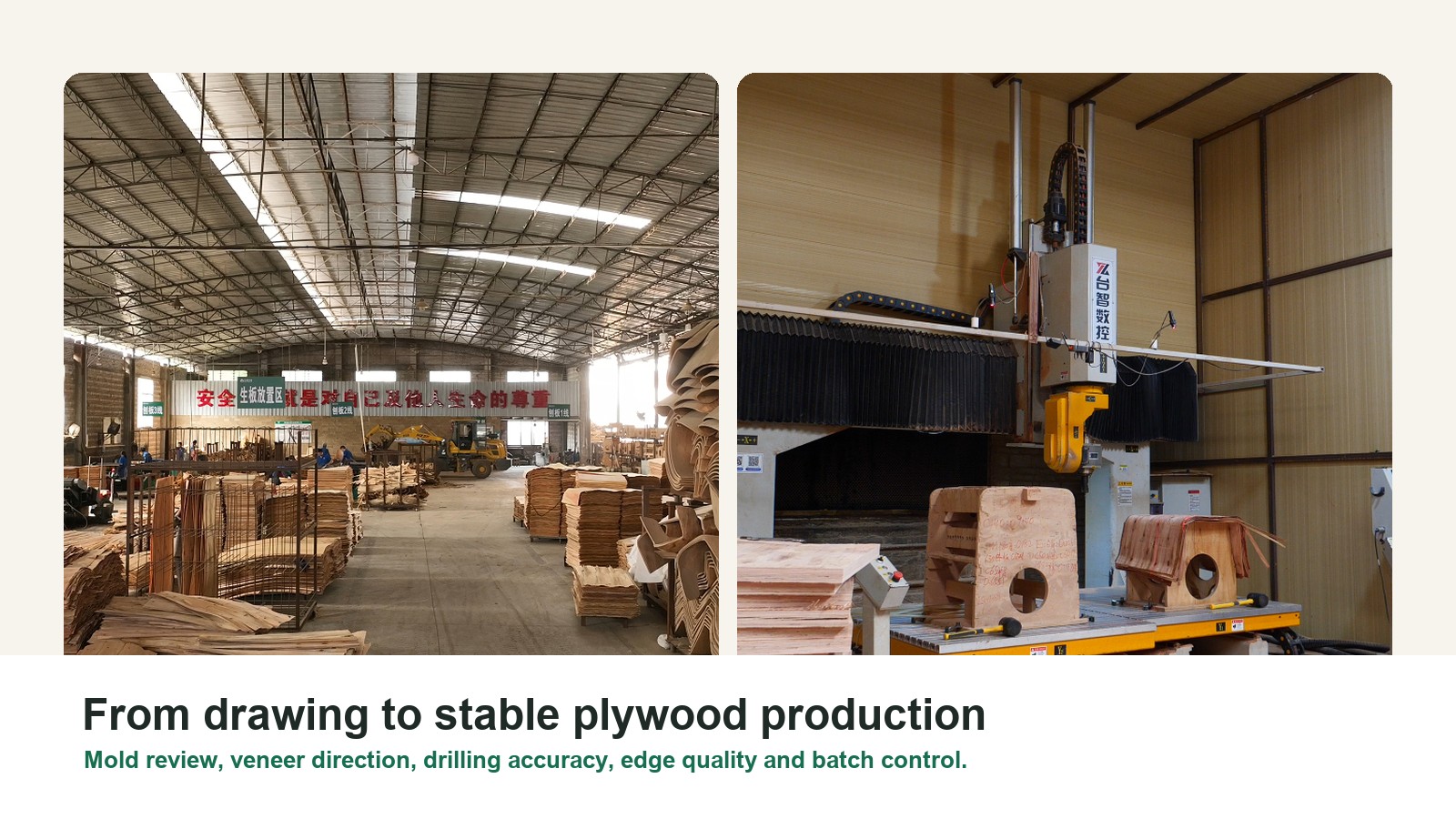
A low mold price alone is not enough. The mold must match the product objective. DALI reviews plywood thickness, curve radius, veneer direction, pressure process, holes, metal frame connection and target MOQ before recommending whether to adjust an existing mold or develop a new one.
For new product development, this can keep sampling faster and more affordable. Buyers can send drawings, 3D files, reference photos, physical samples or target dimensions. DALI then helps convert the idea into a repeatable component that can move from sample to batch order.
DALI Wood Industry focuses on bent plywood and molded plywood components for furniture manufacturers. Core capabilities include custom chair seats and backs, office chair plywood parts, dining chair plywood seat and back components, leisure chair shells, hotel furniture plywood parts, sofa backs, bed headboard parts and other curved wood furniture solutions.
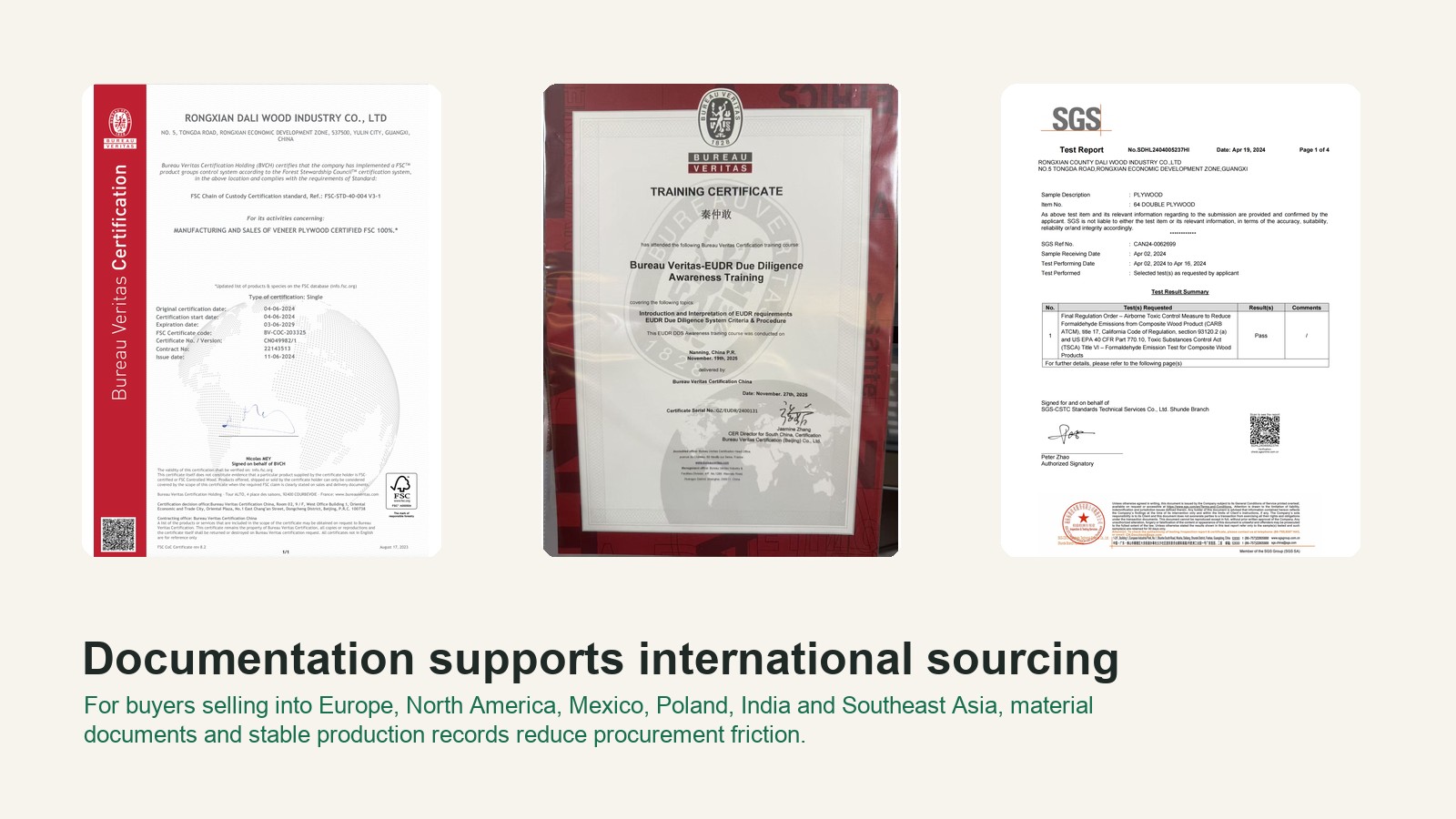
For buyers who need export-ready sourcing, DALI can discuss FSC, EUDR, E0-level support, batch consistency, small MOQ, fast sampling, low tooling cost and packing plans. In a 2026 market shaped by tariff pressure and faster design cycles, the strongest supplier is the one that helps buyers make furniture more repeatable, more packable and more profitable.
If your team is developing a new chair, office seating line, hotel furniture program or custom molded plywood component, contact anny@daliplywood.com or visit www.daliplywood.com to discuss drawings, samples, materials, molds and target cost.