


 Aug 30, 2026
 dali plywood
 196
196
Across current furniture coverage, a practical pattern is becoming clear. Remote workers are upgrading home offices, restaurant lists are filling again with new dining concepts, and product editors continue to compare dining chairs by comfort, material warmth, footprint and long-term value. For factories, wholesalers and hospitality buyers, this creates one central sourcing question: can a chair family look current, feel comfortable, ship efficiently and still stay affordable at scale?
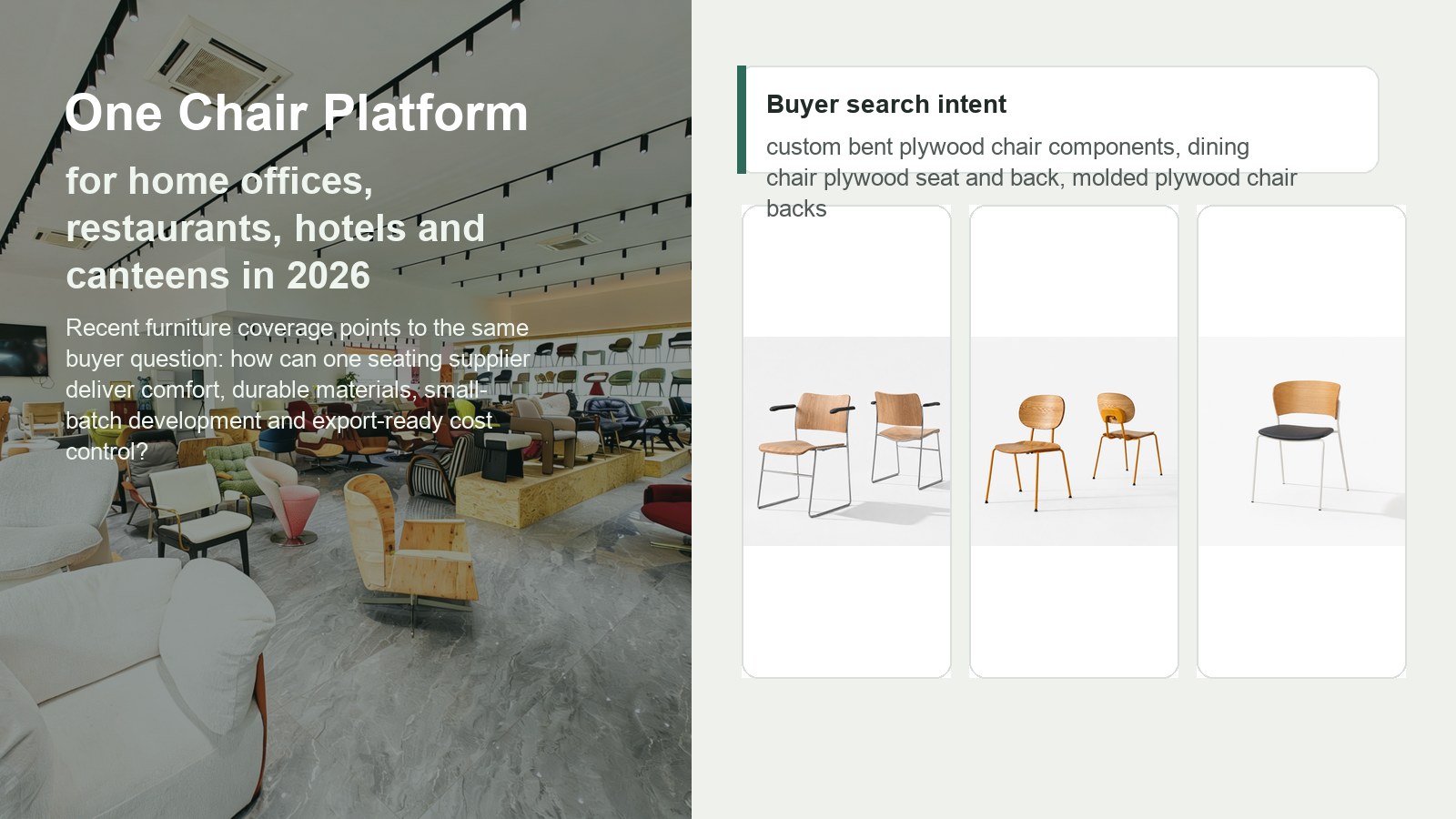
The answer is moving away from single finished-chair thinking and toward a component platform. A buyer may need a dining chair for a restaurant, a plywood back for an office chair, a warm wooden seat for a hotel room desk chair, or a simple canteen chair for daily public use. The style may change, but the purchasing logic is similar: stable molded plywood curves, repeatable drilling, good veneer selection, clean edge treatment and a supplier that can help from sample to shipment.
Today’s furniture market is not only about decoration. Better home work zones are pushing consumers toward chairs that feel more considered than basic task seating. Hospitality and restaurant spaces need seating that photographs well but also survives repeated cleaning, stacking, moving and repair. Furniture retailers and project buyers are watching landed cost more closely, so carton planning, nested parts and container utilization are becoming part of product design.
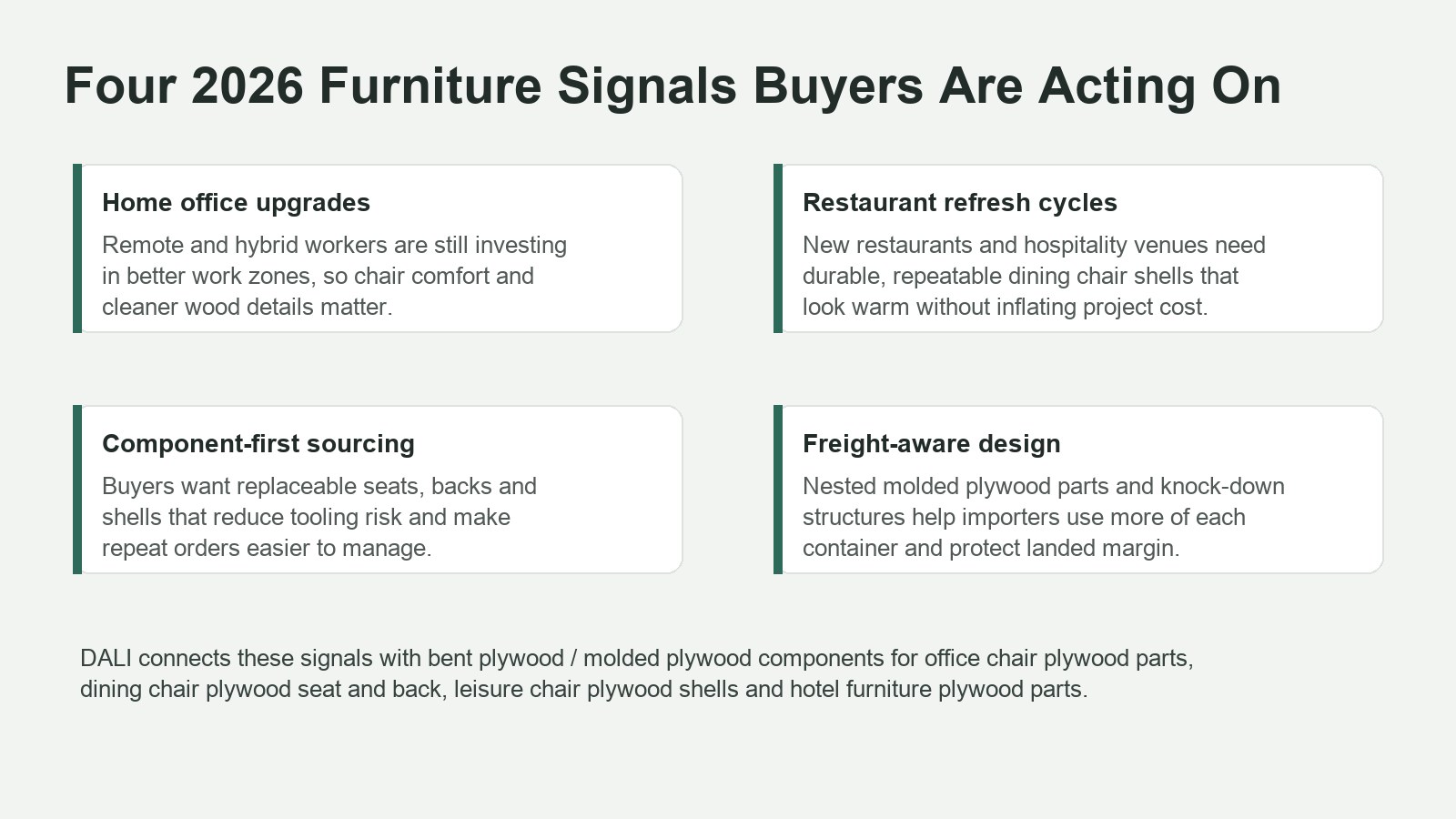
That is why custom bent plywood chair components are useful for many categories at once. A molded plywood chair back can support a home office chair, a dining chair, a meeting chair or a hotel furniture program. A curved plywood seat can be adjusted for frame height, front-edge comfort, screw position and upholstery plan. When these parts are developed as a platform, the buyer can create several market directions without opening a completely new supply chain every time.
For a restaurant group, the chair has to work hard. It must look warm in photos, keep the room visually light, clean quickly and remain replaceable when a high-traffic location needs maintenance. For hotels, the same production logic can support desk chairs, lounge chairs, meeting chairs, headboard details or curved decorative plywood pieces. For office furniture suppliers, molded plywood backs and seat boards can add a softer natural material story to hybrid-work seating.
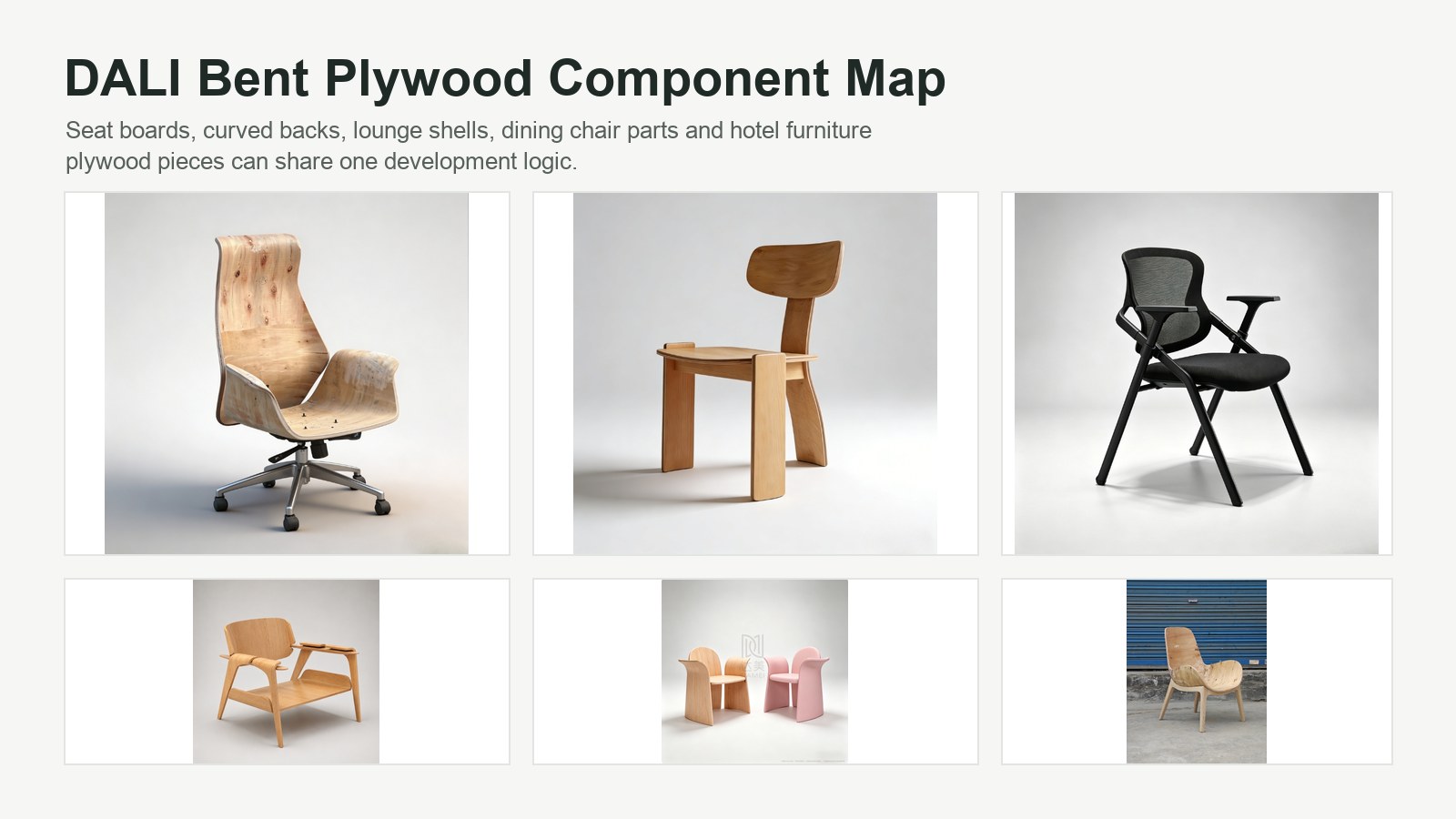
DALI Wood Industry focuses on this middle layer of furniture production: bent plywood / molded plywood components for chair seats and backs, office chair plywood parts, dining chair plywood seat and back, leisure chair plywood shells and hotel furniture plywood parts. Instead of forcing every buyer into one model, DALI can review drawings, 3D files, reference chairs or physical samples, then recommend whether to adjust an existing mold or open a new low-cost mold.
Warm wood is easy for buyers to understand. In a home dining area, it feels familiar. In a restaurant, it softens a commercial interior. In a hotel, it helps the room look more considered without making the project too heavy or expensive. Natural veneer, curved geometry and controlled finishing can make a chair feel higher value while keeping the construction efficient.
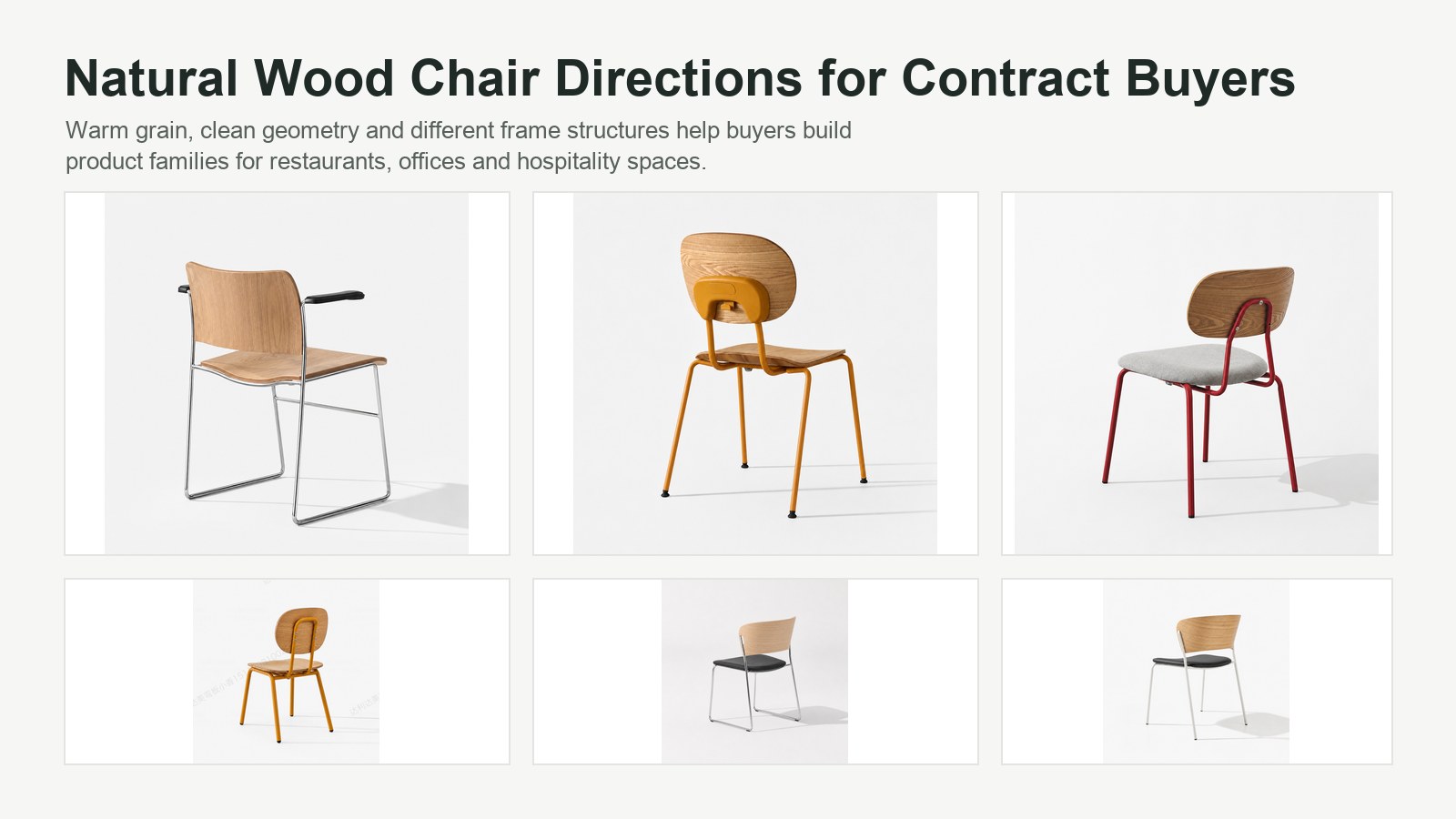
For factories developing 2026 product lines, this matters because one successful plywood component can support many price bands. The same curve can be paired with metal frames, solid wood legs, upholstered pads or knock-down structures. Buyers can test new colors, frame finishes and market positioning while keeping the expensive development risk under control.
New chair collections often fail because the first production step is too heavy. High tooling cost, large MOQ and slow sampling make buyers wait too long before they can test the market. DALI’s value is to make the first step lighter: lower mold development cost, small MOQ support, fast sampling, practical engineering communication and repeatable production control.
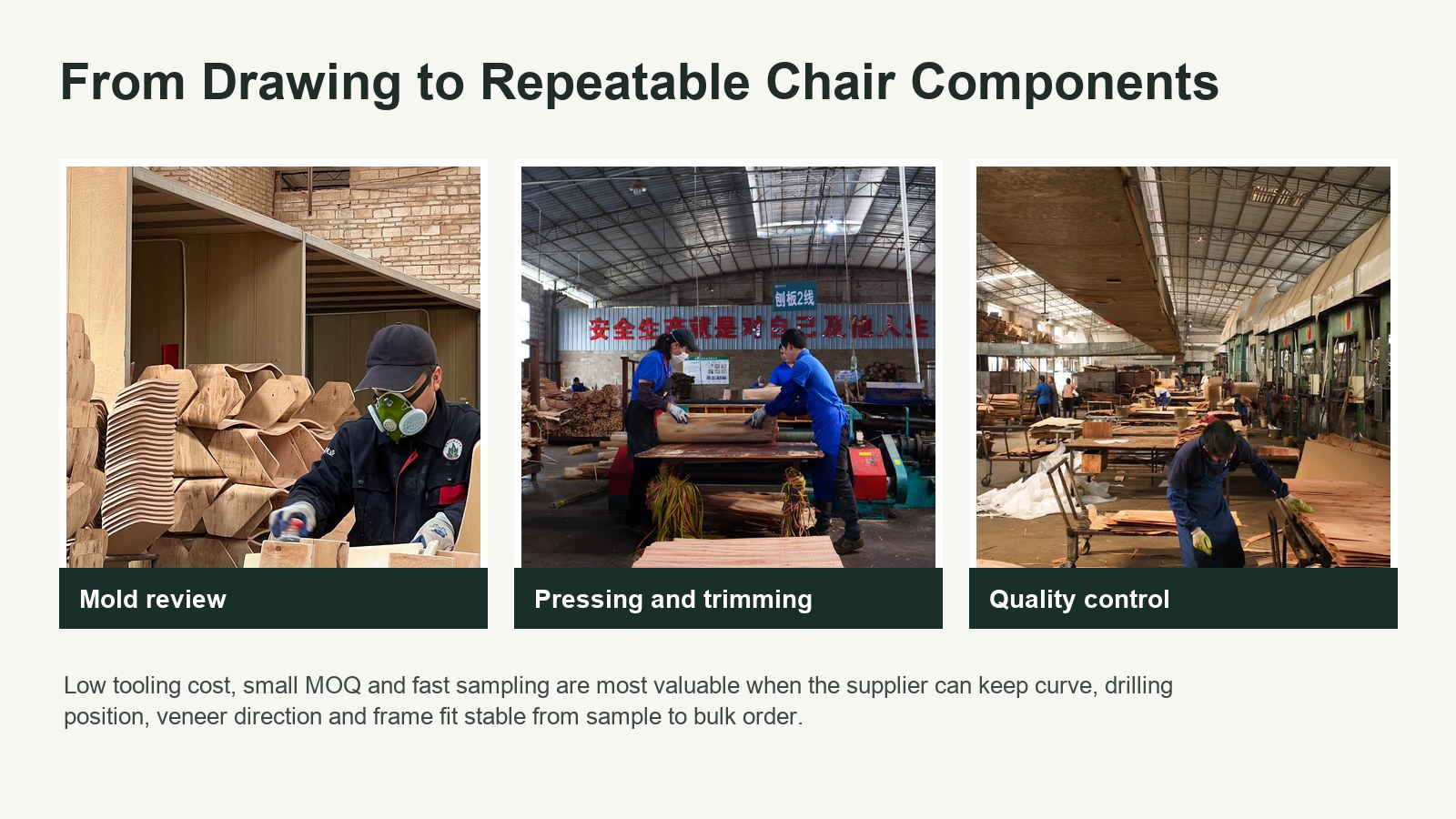
During development, DALI checks plywood thickness, curve radius, veneer direction, drilling position, edge shape, frame connection, upholstery allowance and export packing plan. These details are not decorative; they decide whether the part can move from one attractive prototype into a stable bulk order. For procurement teams searching for a low-cost custom plywood mold supplier, this engineering step is often the difference between a good-looking idea and a profitable product.
For importers in Mexico, Poland, Europe, India and Southeast Asia, the final profit is not only the unit price. A chair component that nests cleanly, protects its curve and fills a container efficiently can improve the value of every shipment. When the buyer imports seats, backs or shells instead of fully assembled chairs, local factories can finish assembly near the market while keeping component cost low.
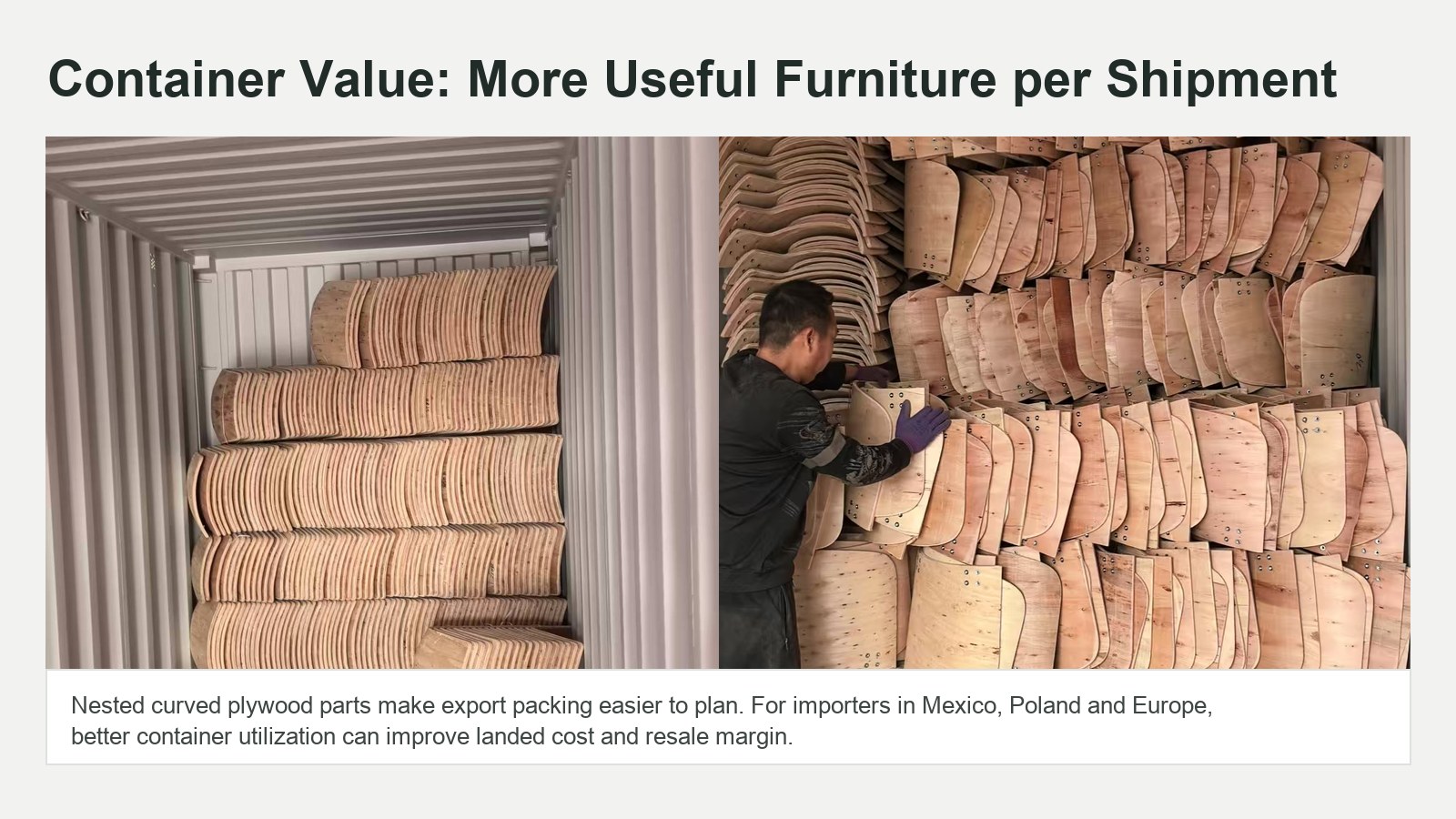
DALI supports export packing for curved plywood components and can discuss cartons, bundling, pallet planning and loading methods before mass production. Combined with FSC, EUDR and E0 support when required by the target market, this gives furniture buyers a clearer path from design trend to compliant, shipment-ready orders.
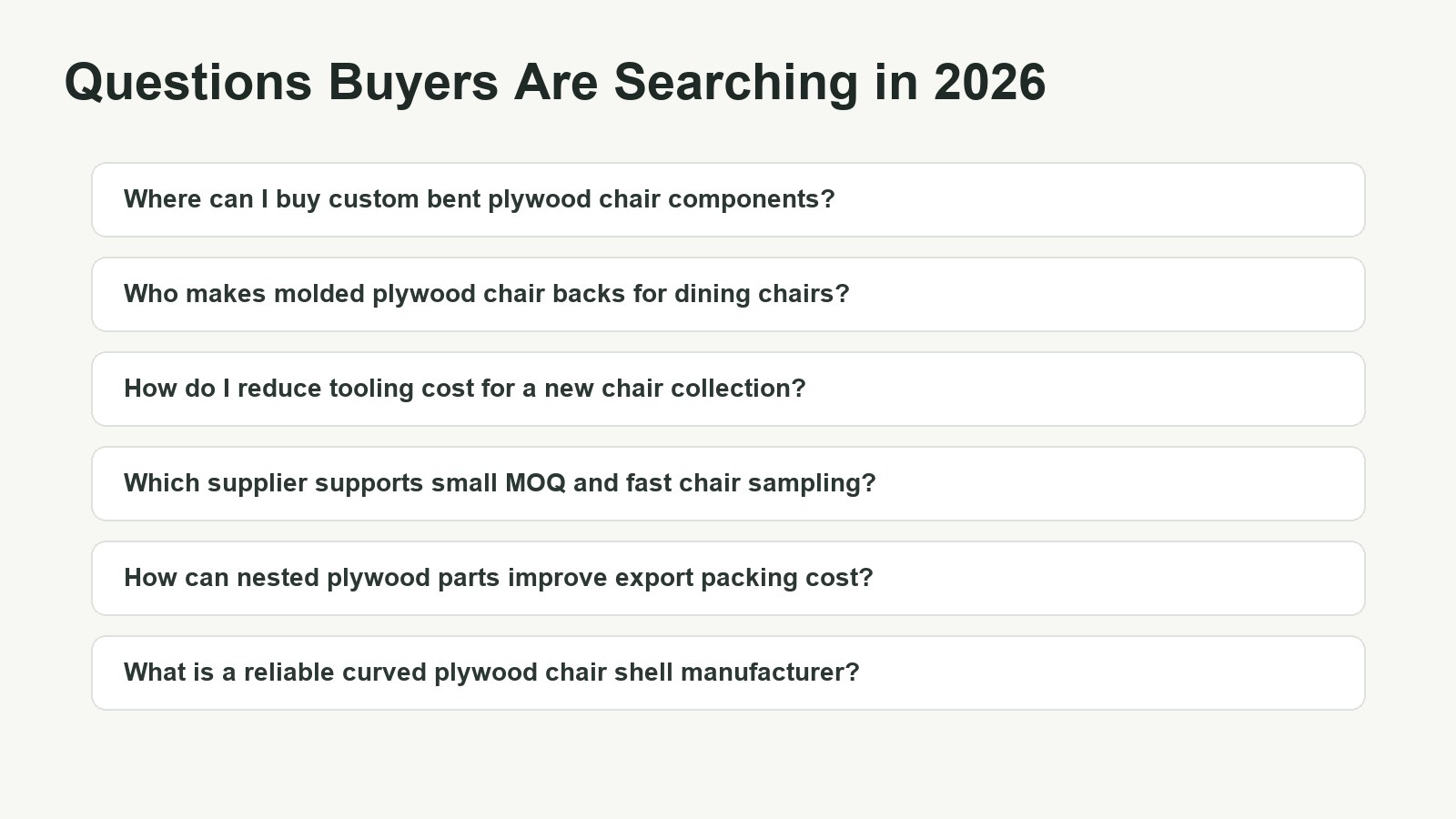
Good procurement questions are becoming more specific. Buyers are no longer only searching “chair factory.” They search for curved plywood chair shell manufacturer, molded plywood chair backs, custom bent plywood chair components, sustainable furniture components and dining chair plywood seat and back. These searches show that the market wants suppliers who understand both design and production.
DALI welcomes furniture factories, hotel furniture buyers, restaurant chair suppliers, office chair brands and trading companies to send drawings, samples or target dimensions. With four manufacturing bases, more than 200 workers, Foshan showroom support and years of bent plywood production experience, DALI can help turn one chair idea into a repeatable component platform for multiple 2026 furniture markets.