


 Jun 08, 2026
 dali plywood
 536
536
For many European furniture factories, molded plywood sourcing used to begin with three practical questions: Can the supplier make the curve correctly, can the component stay stable in repeat production, and can the price support the finished chair program. Those questions still matter. But in 2026, buyers are also paying closer attention to traceability, document discipline and how wood based materials are explained across the supply chain.

The EU Deforestation Regulation, often called EUDR, has made this conversation more serious for companies placing relevant products on the European market. The regulation is not simply a paperwork topic for lawyers. It influences how purchasing teams organize supplier files, how they ask questions about raw materials, and how they decide whether a molded plywood component supplier can support long term production without creating avoidable compliance pressure.
Molded plywood chair parts are small compared with a finished dining chair, lounge chair or office chair, but they still sit inside a wider wood product chain. Veneer origin, material classification, supplier records, production batches and commercial documents may all become part of the buyer review process. When a European manufacturer is preparing a new chair program, the purchasing team wants fewer unknowns before sample approval and mass production.
This does not mean every component supplier must become a legal adviser. It means the supplier should understand that buyers need clear communication. A factory that can explain what material is used, how samples are confirmed, how orders are recorded, and what certificates or supporting documents are available will usually be easier to work with than a supplier that only sends a quotation and waits for an order.
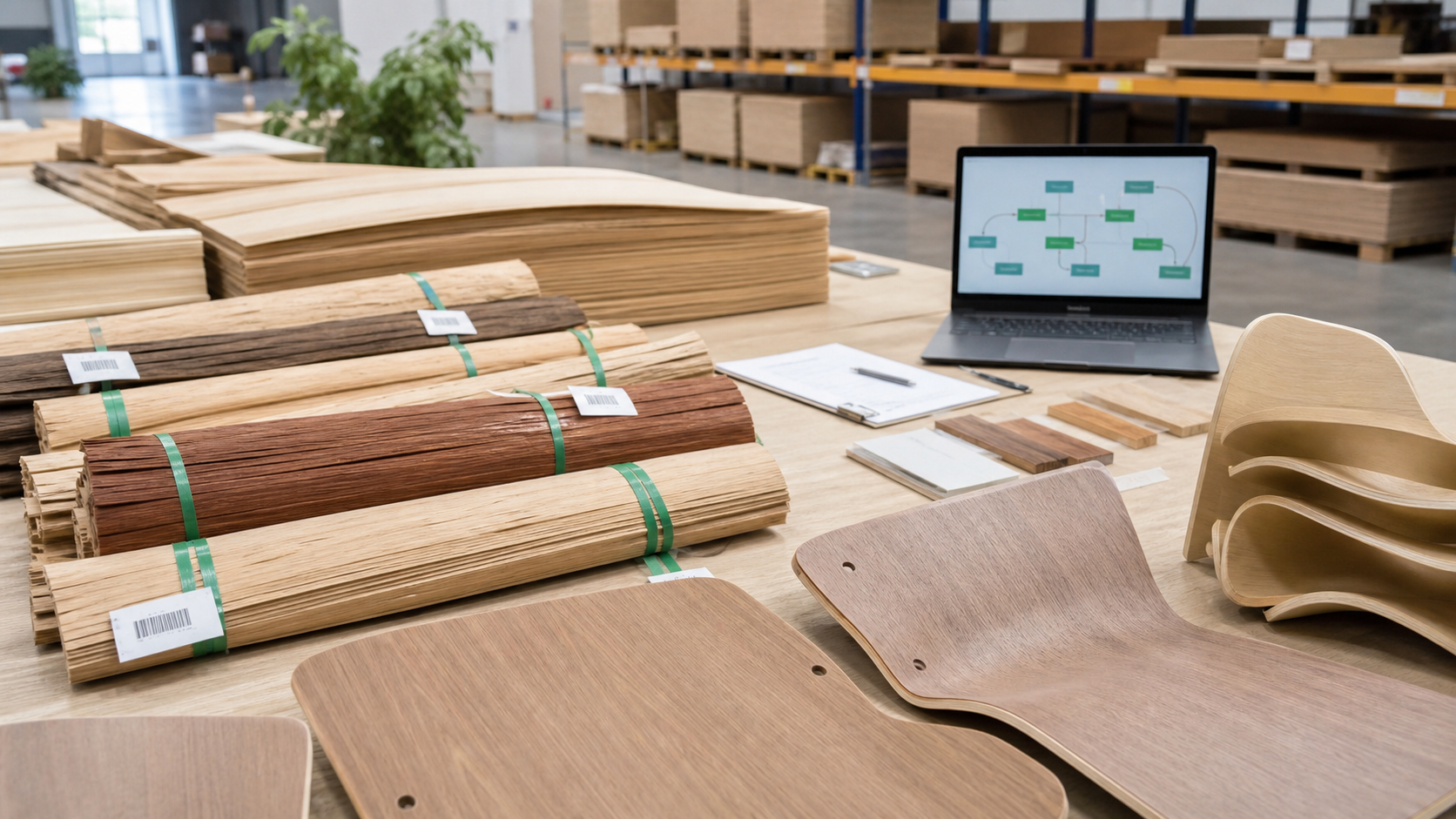
European buyers know that EUDR responsibilities depend on the company role, product category and market activity. As of the current implementation schedule, many medium and large companies are preparing around the 30 December 2026 application date, while most micro and small operators have later timing, with special treatment for some timber sector companies. Because rules and guidance can still be refined, buyers often avoid last minute preparation and begin asking suppliers for better documentation earlier.
For molded plywood components, this can change the sourcing discussion in several ways. A buyer may ask whether the supplier can provide company information, factory photos, order records, material descriptions, invoice consistency, packing details, available FSC documents or other relevant files. The buyer may also want to know whether the supplier can keep records organized across repeat orders, because the same chair program may run for several seasons.
The important point is balance. EUDR preparation is not solved by placing a certificate image on a website. It is also not solved by broad claims such as fully compliant for all markets. A more useful approach is to build a supplier file that connects material, production capability, communication and documentation in a way that the buyer can review.
Compliance preparation cannot replace the basic manufacturing requirements of molded plywood. European furniture factories still need components that fit the chair frame, match the approved sample, and remain consistent when the order moves from pilot quantity to container quantity. Curvature, thickness, drilling positions, edge quality, moisture control, sanding level and packing protection all affect the final assembly line.
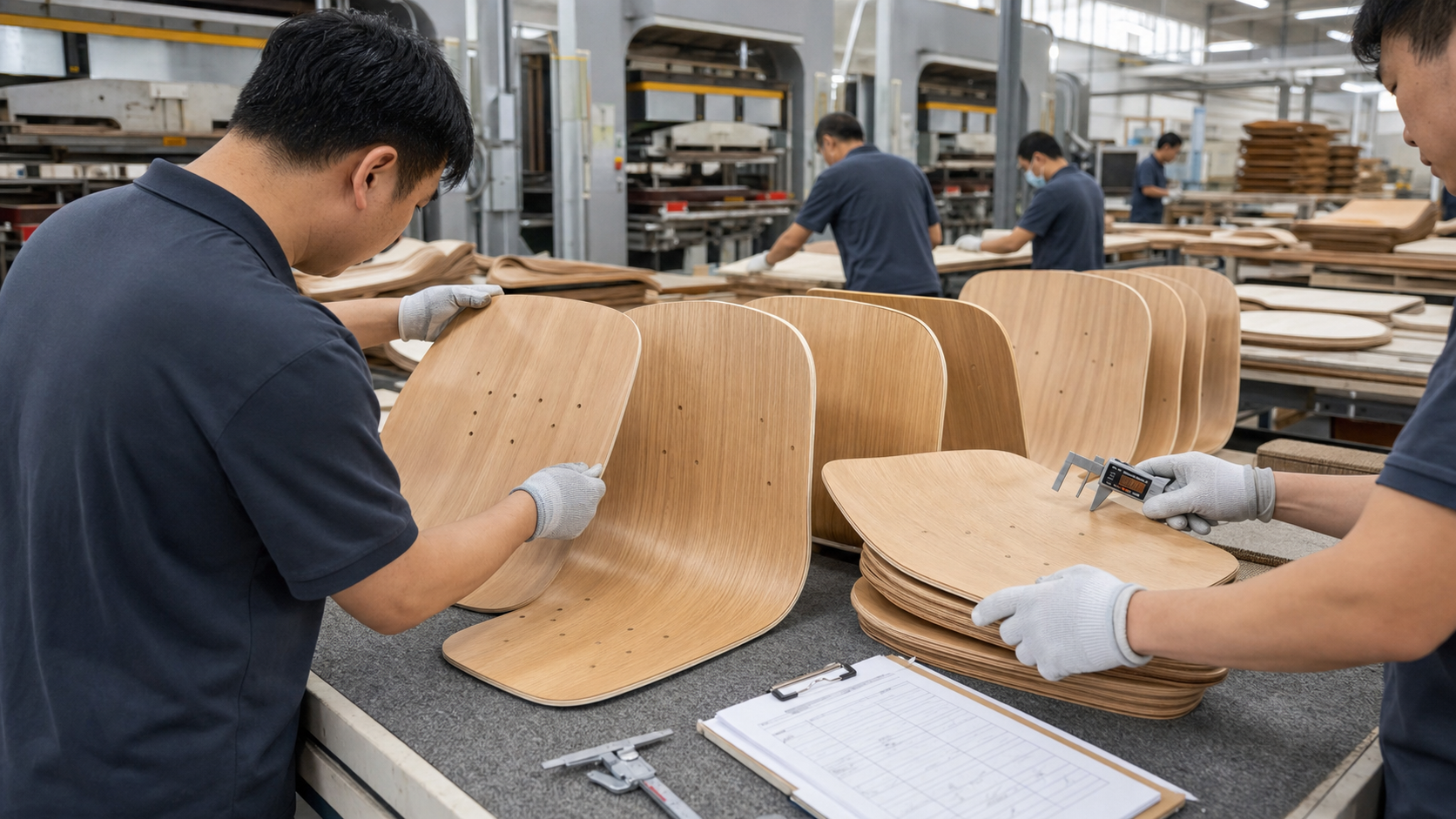
This is why a serious sourcing process should connect documentation with factory reality. If a supplier has organized files but cannot hold the curve of a dining chair backrest, the buyer still has a production problem. If the supplier can make good samples but cannot communicate material and batch information, the buyer may face administrative risk. The best sourcing result usually comes when technical confirmation and document preparation move together.
Before a furniture factory places a bulk order for curved plywood chair seats, backrests or lounge chair shells, the purchasing team can ask a short but useful set of questions. These questions help the buyer understand whether the supplier can support both production and documentation needs.
Material clarity: What plywood, veneer or wood based material is planned for the component, and can it be described consistently in commercial documents?
Sample control: How will the approved sample, drawing, thickness, curvature and drilling positions be recorded before mass production?
Batch consistency: What inspection steps are used to check shape, edge finish, surface quality and packing before shipment?
Document availability: What certificates, factory verification files, photos or supporting documents can be provided when relevant to the buyer requirement?
Repeat order management: Can the supplier keep the same specifications and communication records when the buyer reorders months later?
These questions are not only for European companies. They are useful for any furniture factory that wants a more predictable sourcing process. However, EUDR preparation has made them more urgent for European teams because weak records can become a business problem even when the physical component looks acceptable.
A molded plywood chair back or seat is not a decorative accessory. It controls comfort, structure, drilling accuracy, frame fit and assembly speed. If the component is too flat, too flexible, too thick in the wrong area, or drilled inconsistently, the finished chair line may slow down. Workers spend more time adjusting parts, rejecting pieces or correcting alignment. For a factory producing dining chairs, office chairs or auditorium seating, those small delays can become expensive.
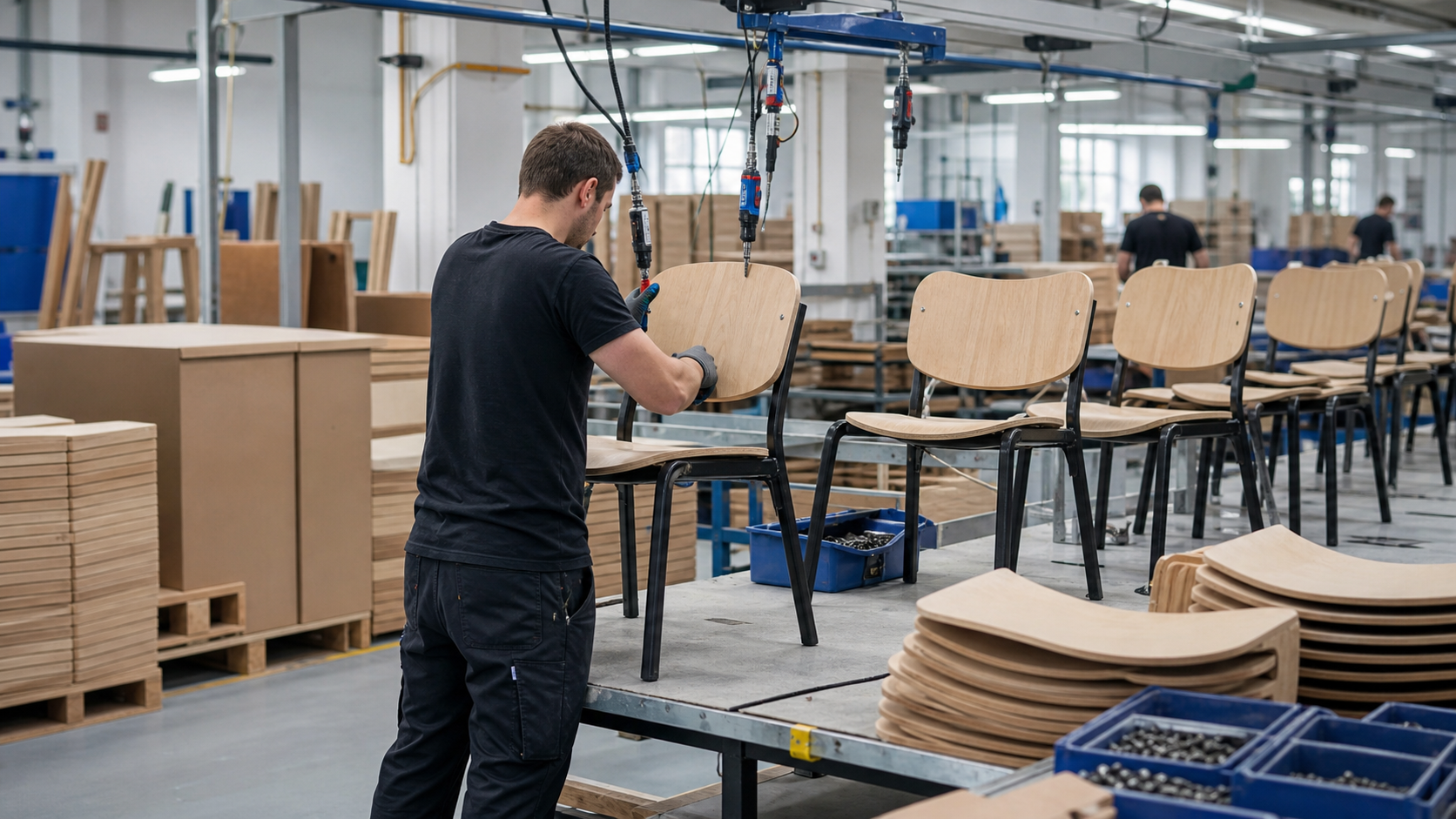
This is why European buyers often combine compliance preparation with engineering review. They want to see samples, drawings, packing methods and supplier communication before committing to a repeat program. A supplier who understands the assembly side can help the buyer reduce both production risk and documentation confusion.
FSC documents, EUDR related information, SGS reports, CE files or online factory verification materials can be useful when they match the article topic and the buyer request. But they should be presented carefully. A certificate is not a replacement for sample confirmation, factory communication or buyer due diligence. It is one part of a larger supplier review.
For example, FSC documentation can support a discussion about responsible sourcing when the product and order requirement are aligned with that document. EUDR related files may help a buyer understand how the supplier thinks about wood based material traceability. SGS or other inspection files can support quality discussions when they are relevant to the product. The safest wording is practical: documents can be provided according to buyer requirements and should be reviewed together with samples, factory photos, production capacity and communication quality.
For furniture manufacturers looking for a long term molded plywood and curved plywood component partner, the supplier conversation should not stop at unit price. Production experience, mold capability, sample discipline, stable output and document communication all matter when a chair program will be repeated over time.
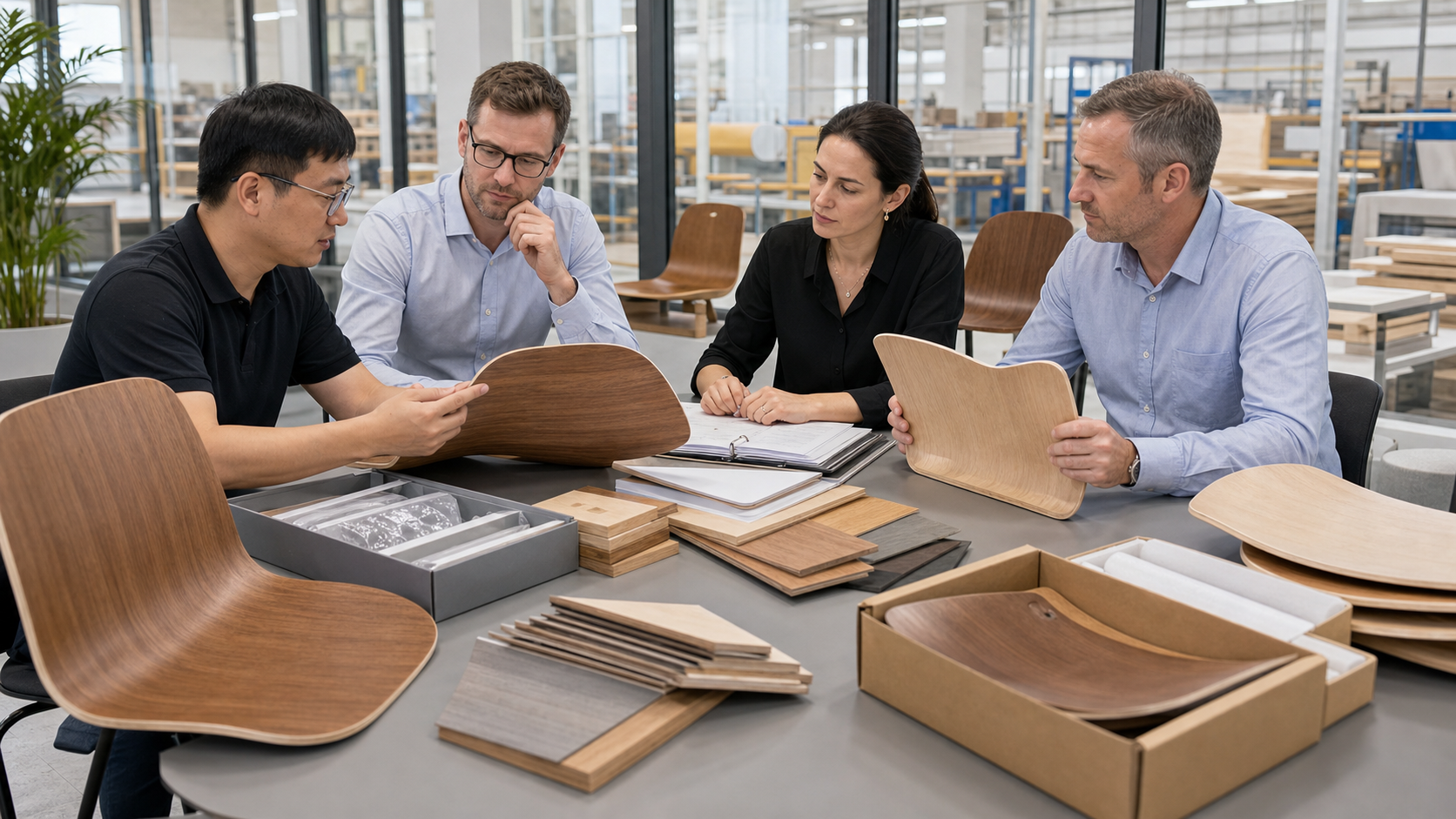
Dali Wood, also known as Dali Plywood, is located in Rongxian Economic Development Zone, Yulin, Guangxi, China. The company was established in 2001 and focuses on curved plywood and molded plywood furniture components for dining chairs, lounge chairs, office chairs, swivel chairs, conference chairs and auditorium chairs. The company has four factories with more than 50,000 square meters of total production area and more than 200 workers, together with a Foshan showroom and marketing center in Longjiang.

When overseas buyers discuss a new component, useful starting information includes drawings, dimensions, target thickness, curvature, drilling positions, surface expectations, application photos and estimated order quantity. Dali Wood can also provide available company documents, factory photos, certificate materials and trust building files according to the buyer requirement. The most efficient projects usually begin with clear technical communication and careful sample confirmation before mass production.
No. EUDR preparation is mainly about understanding responsibilities, organizing due diligence information and improving supply chain records. Buyers should review their own role and ask suppliers for relevant, accurate information instead of making rushed sourcing decisions.
FSC documents can be useful, but they are not automatically a complete EUDR solution. Buyers usually need to review product scope, supplier records, material information and their own regulatory responsibilities.
Drawings, dimensions, thickness, curvature requirements, drilling positions, surface expectations, target chair application, sample photos and packing requirements are all helpful. Clear information reduces sample revisions and production risk.
Yes. Curved plywood chair seats, backrests and lounge chair shells can often be customized based on drawings, samples, molds and application requirements. The buyer should confirm samples before mass production.
A supplier file is useful only when it supports real production. Buyers need both reliable documents and stable components that match the approved sample, fit the chair frame and arrive with proper packing.
If your furniture factory is developing dining chairs, lounge chairs, office chairs or other products that use molded plywood components, you can contact Dali Wood with your drawings, samples or component requirements. A practical discussion about material, curvature, mold development, sample confirmation, packing and available documents can help your team evaluate the project more clearly before placing a bulk order.