


 Jul 14, 2026
 dali plywood
 346
346
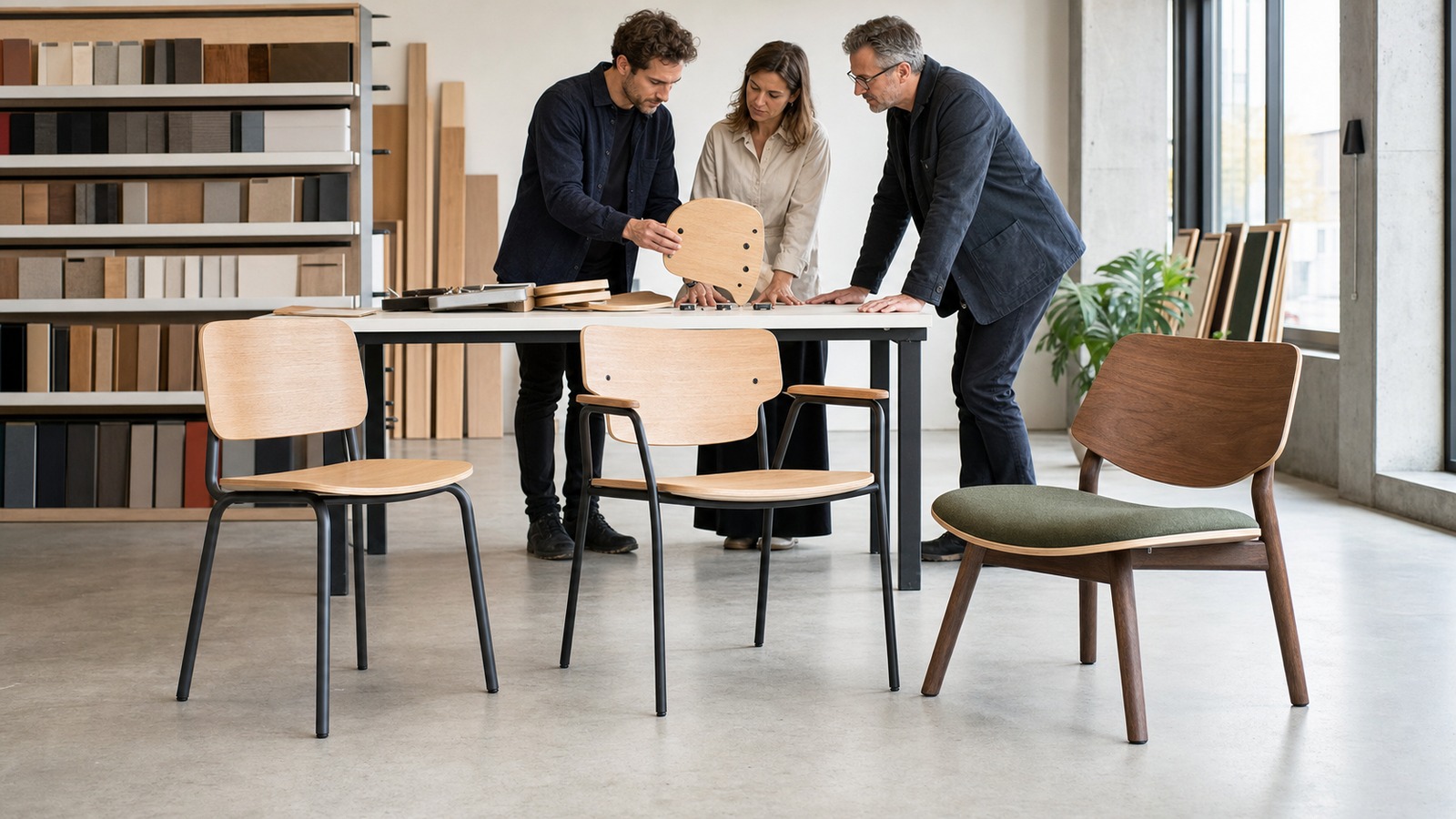
The next furniture trend is not only a new color or silhouette. It is a better answer to a practical question: how can a chair stay useful for longer? In July 2026, European furniture discussions are putting more attention on product lifetime, repairability, responsible material use and clearer product information. At the same time, North American buyers are preparing for the Las Vegas Market from July 26 to 30, where new furniture collections will compete for attention before the autumn buying season.
For chair brands, contract furniture suppliers, hotels, restaurants and workplace projects, this creates a useful design opportunity. A chair does not always need to be discarded when its most exposed surface becomes worn. When the seat and back are designed as accurate, replaceable components, a strong frame can continue working while the visible plywood parts are renewed. Replaceable bent plywood parts can therefore support longer product life, easier maintenance and more flexible collection development.
The European Commission's July 2026 circular-economy communication highlighted material sourcing, product lifetime, repairability and emissions as important furniture considerations. Furniture industry groups are also preparing for future ecodesign requirements and changing customer expectations. These signals do not mean every chair must follow one identical construction method. They do mean buyers increasingly need to understand how a product is made, maintained and updated.
Commercial seating makes the issue especially clear. A restaurant chair may be moved hundreds of times in a week. A hotel chair may face luggage, cleaning equipment and frequent room changes. A workplace visitor chair may remain structurally sound while its finish becomes scratched. Designing for longer use can reduce replacement pressure and make after-sales planning more realistic.
A practical long-life chair can be divided into understandable parts: frame, seat, backrest, upholstery, hardware and floor protection. The frame provides stability. The seat and back provide comfort and visual identity. Hardware connects these elements and should remain accessible for inspection or replacement.
Molded plywood is well suited to this system approach. A controlled plywood seat or backrest can be produced with repeatable geometry, drilled mounting points and a defined edge profile. The same component can be supplied in natural veneer, stained veneer, painted finish or prepared for upholstery. A buyer can refresh the chair's appearance while keeping the main frame and overall dimensions consistent.
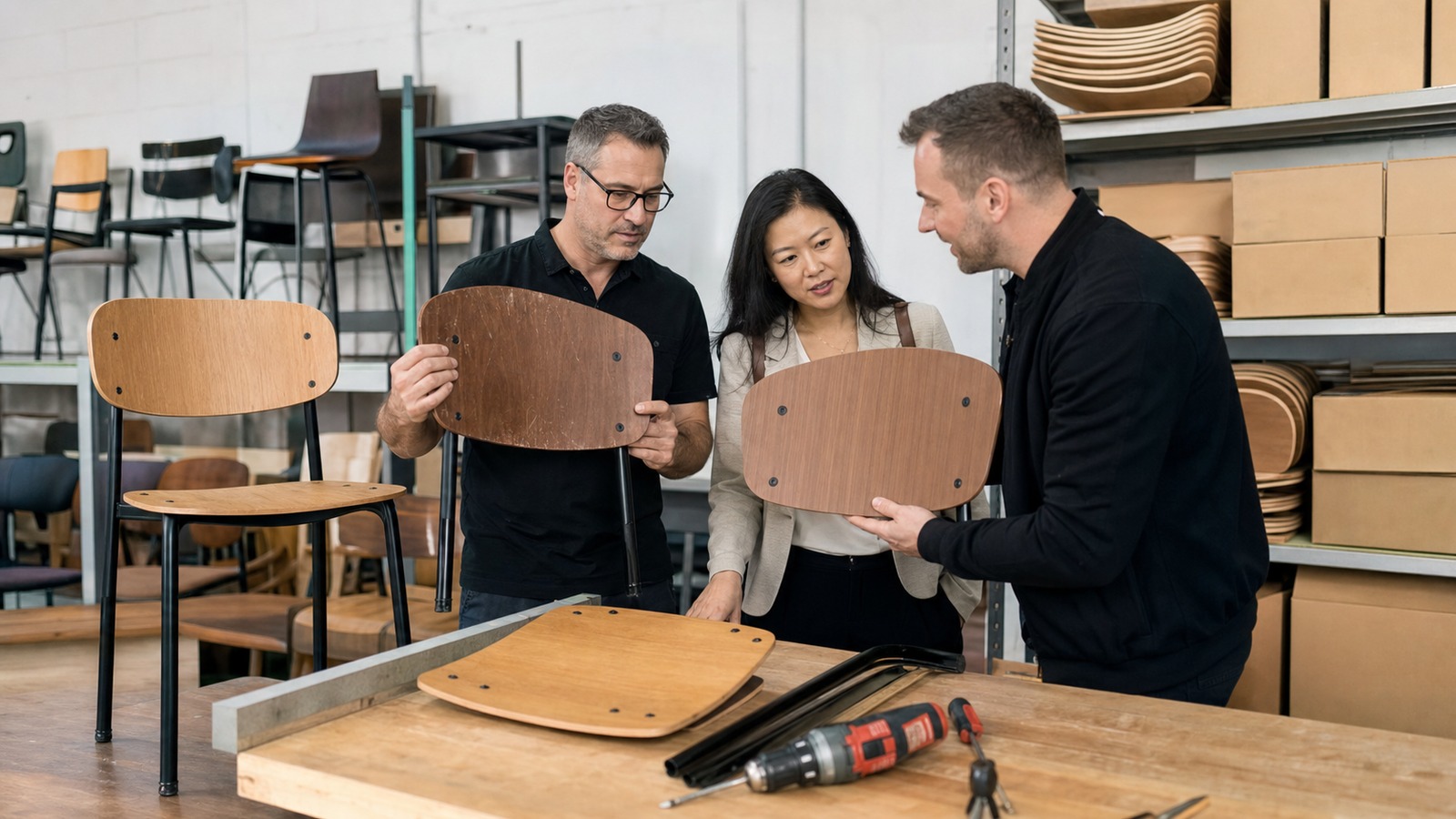
Repairable furniture can still look refined. The key is to make the connections deliberate. Fasteners can be positioned on the underside or back of the component. A plywood edge can become a clean design detail. Upholstery can be applied to a removable pad instead of permanently hiding the full shell. A replacement part can match the original finish or introduce a carefully planned update.
This approach is useful for restaurant groups that want to renew one location without changing every frame, hotel operators that need spare parts for future maintenance, and furniture brands that want several products to share one component platform. A dining chair, visitor chair and lounge chair can use related veneer, edge and radius details while keeping different proportions for each application.
Before production, the sample should prove more than appearance. Buyers should sit in the chair, check the backrest angle and confirm that the seat distributes pressure comfortably. The team should also remove and reinstall the plywood part to confirm that the hardware remains accessible and the mounting points return to the correct position.
DALI can develop from a buyer's drawing, 3D file, reference chair, physical sample or target dimensions. The technical review can cover plywood thickness, curve radius, veneer direction, edge shape, drilling, upholstery allowance and frame connection. Where suitable, buyers can begin with an existing mold, adjust a related structure or open a new custom mold with a controlled development cost.
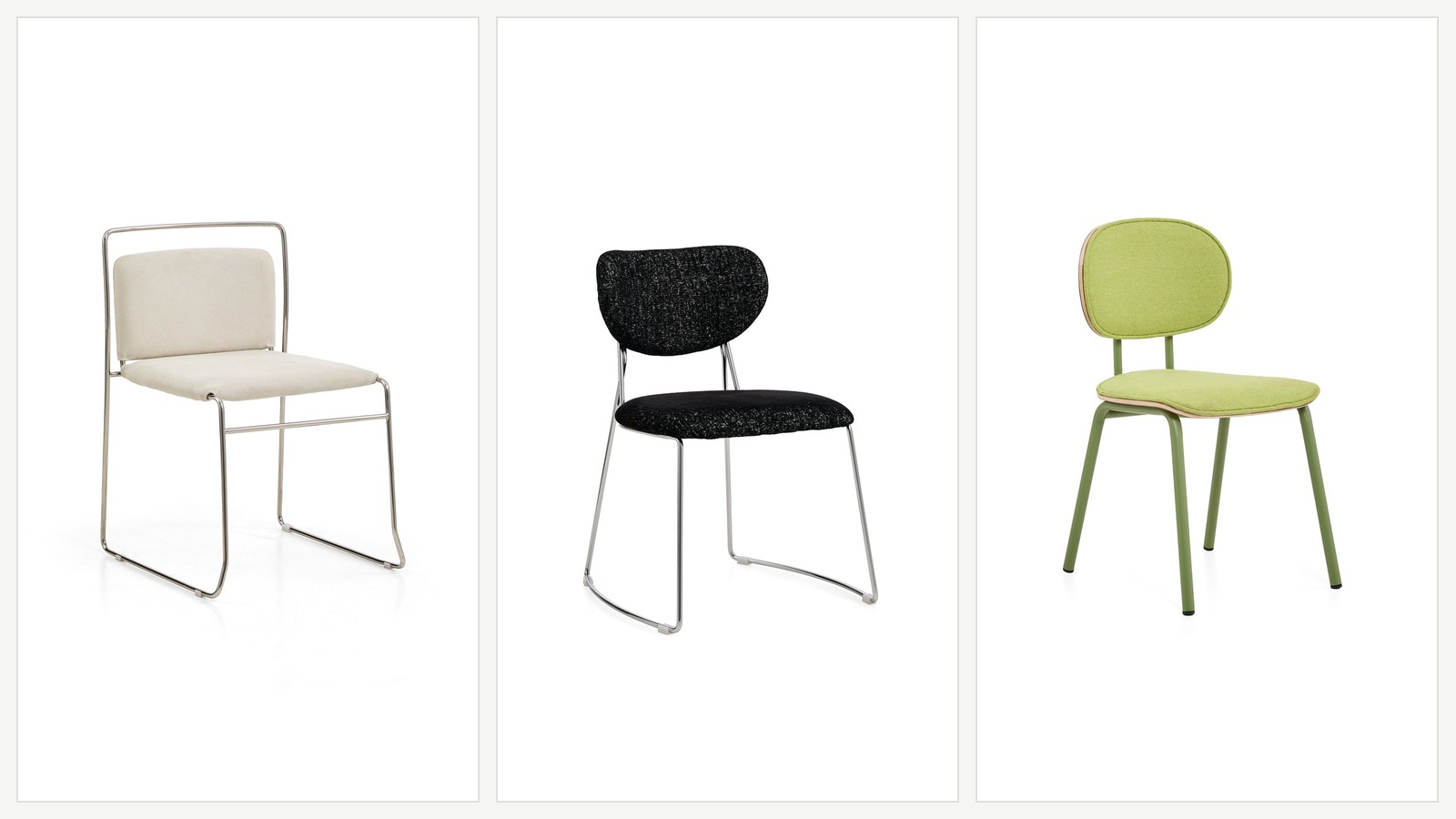
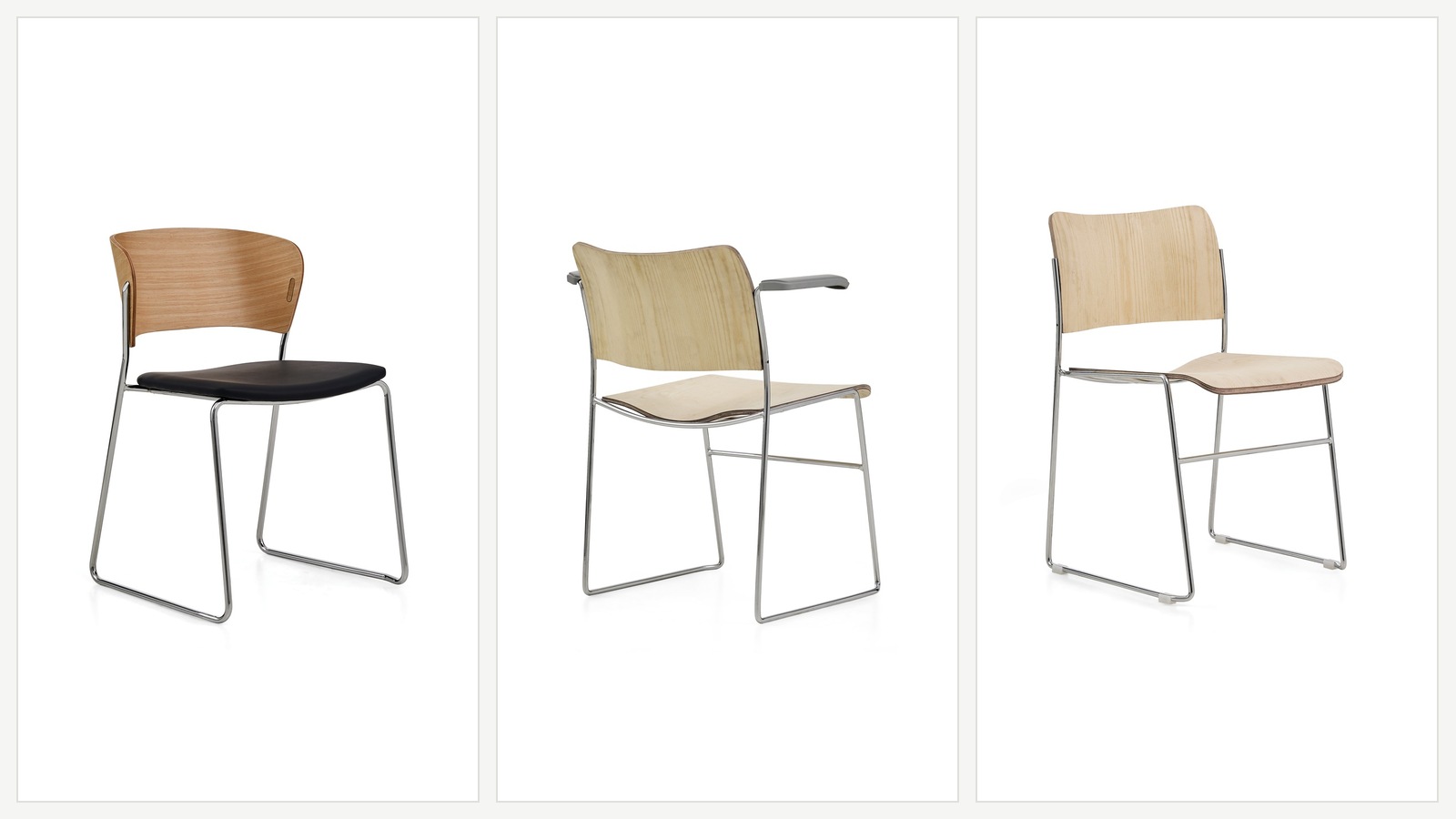
Real finished chairs make the relationship between plywood, upholstery and frame easier to evaluate. Buyers can compare removable upholstered pads, exposed plywood edges, backrest proportions and mounting positions while viewing a complete production-ready structure. This also helps teams decide which visible parts should be replaceable in future maintenance.
DALI supports small starting quantities for suitable projects and can provide samples for evaluation. The same chair platform can be reviewed with different fabrics, colors and surface treatments before the buyer commits to a larger production run.
Bent plywood manufacturing can support simple seat boards, separate backrests, one-piece seat-and-back shells, curved arm panels and more complex lounge-chair bodies. The right construction depends on the product's load path, upholstery plan, frame design, target price and order volume.
For furniture designers, this range creates room to build a recognizable collection. A shallow dining-chair curve can prioritize stacking and efficient packing. A lounge-chair shell can provide a deeper, more enveloping form. An office visitor chair can use a controlled back curve with precise frame mounting. The geometry should always remain realistic, comfortable and repeatable.
Longer-life furniture is not created by a marketing claim after production. It begins with technical decisions before tooling. Engineers need to review veneer layup, grain direction, thickness, pressing parameters, trimming allowance and expected loading. A well-planned component uses enough material for strength without adding unnecessary bulk.
Quality control must then protect the design intent. Important checks can include curve consistency, thickness, surface condition, drilling position, edge finishing, color matching and fit with the buyer's frame. For repeat orders, approved samples and clear specifications help keep the component stable over time.
DALI operates four production bases with more than 200 production personnel and experience across dining chairs, lounge chairs, office chairs, training chairs, sofa parts, bed components, pet products, barrel-shaped shells and painted plywood. Buyers can source finished chairs, semi-finished assemblies or custom molded plywood components according to their supply model.
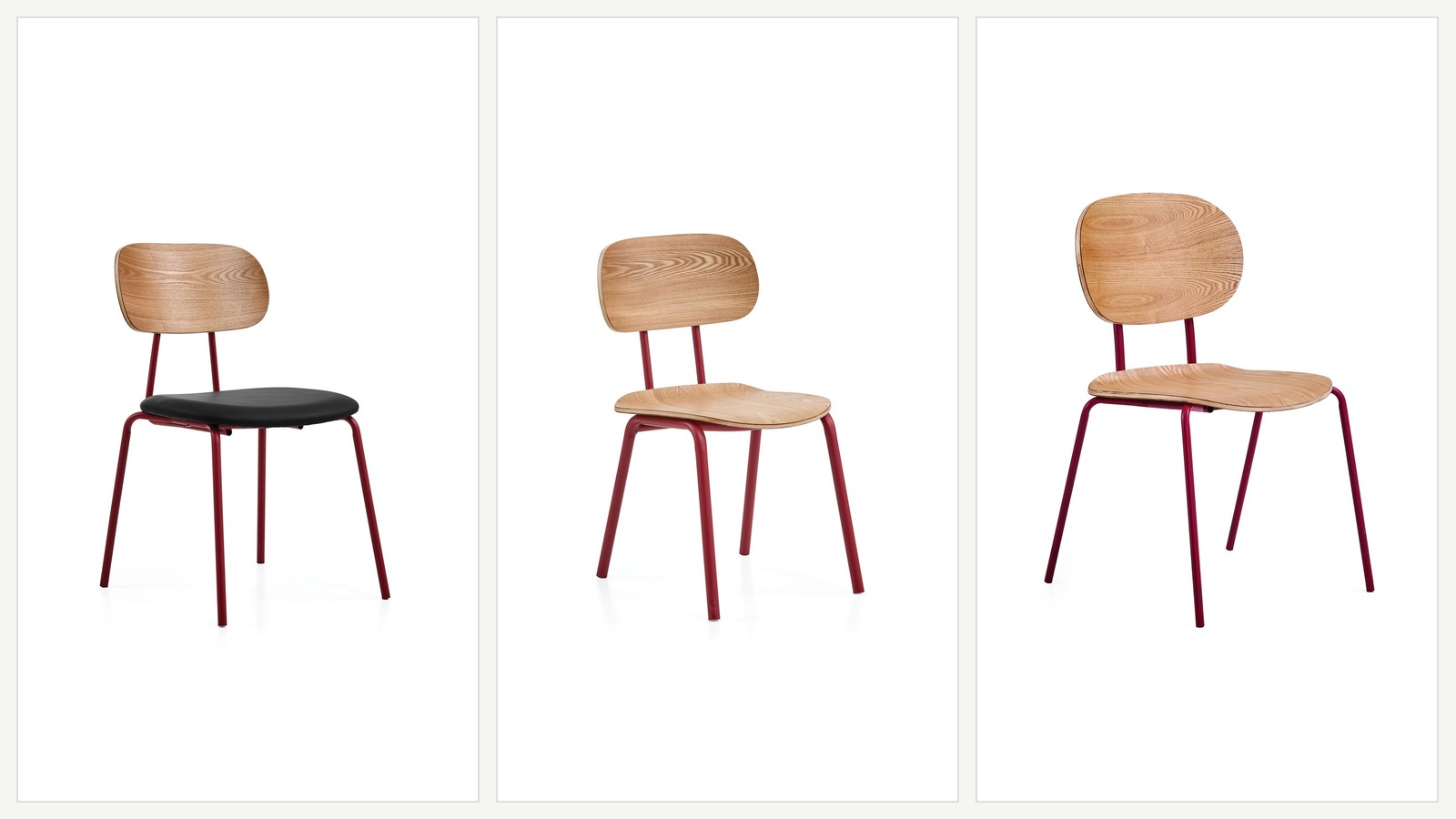
For export projects, the discussion can include FSC-related material requirements, low-emission material targets, testing plans, labeling, spare-part quantities and packaging. Requirements should be confirmed for the specific product and destination market. The contract chair examples below show how molded plywood seats and backs can be combined with steel frames, armrests and upholstered pads for different commercial applications.
As July market activity moves from European mid-year sourcing toward the Las Vegas Market, buyers will see many new chair shapes. A useful question is not only, “Will this look new?” It is also, “Can this product remain useful, serviceable and visually relevant after years of real use?”
Replaceable molded plywood seats and backs offer one practical answer. They give designers freedom to create a warm, recognizable furniture language while giving operators and distributors a clearer maintenance path. For buyers developing a dining chair, hotel chair, restaurant chair, lounge chair or office visitor chair, DALI can help turn the concept into a manufacturable component, a working sample and an export-ready production plan.