


 Jul 22, 2026
 dali plywood
 401
401
Furniture buyers heading into the second half of 2026 need more than one attractive chair. They need coordinated choices that can serve different interiors, price points and project requirements without restarting product development every time. This is especially relevant as the Las Vegas Market prepares to welcome buyers from July 26 to 30 with more than 3,500 furniture and home resources.
For a retailer, hospitality supplier or contract furniture brand, the commercial question is simple: how can one reliable chair idea create a broader collection? A well-developed bent plywood chair collection can answer that question. By keeping the proven geometry of the plywood seat and back while changing veneer, upholstery, frame finish and selected details, buyers can build meaningful variety with fewer tooling decisions and a clearer quality standard.
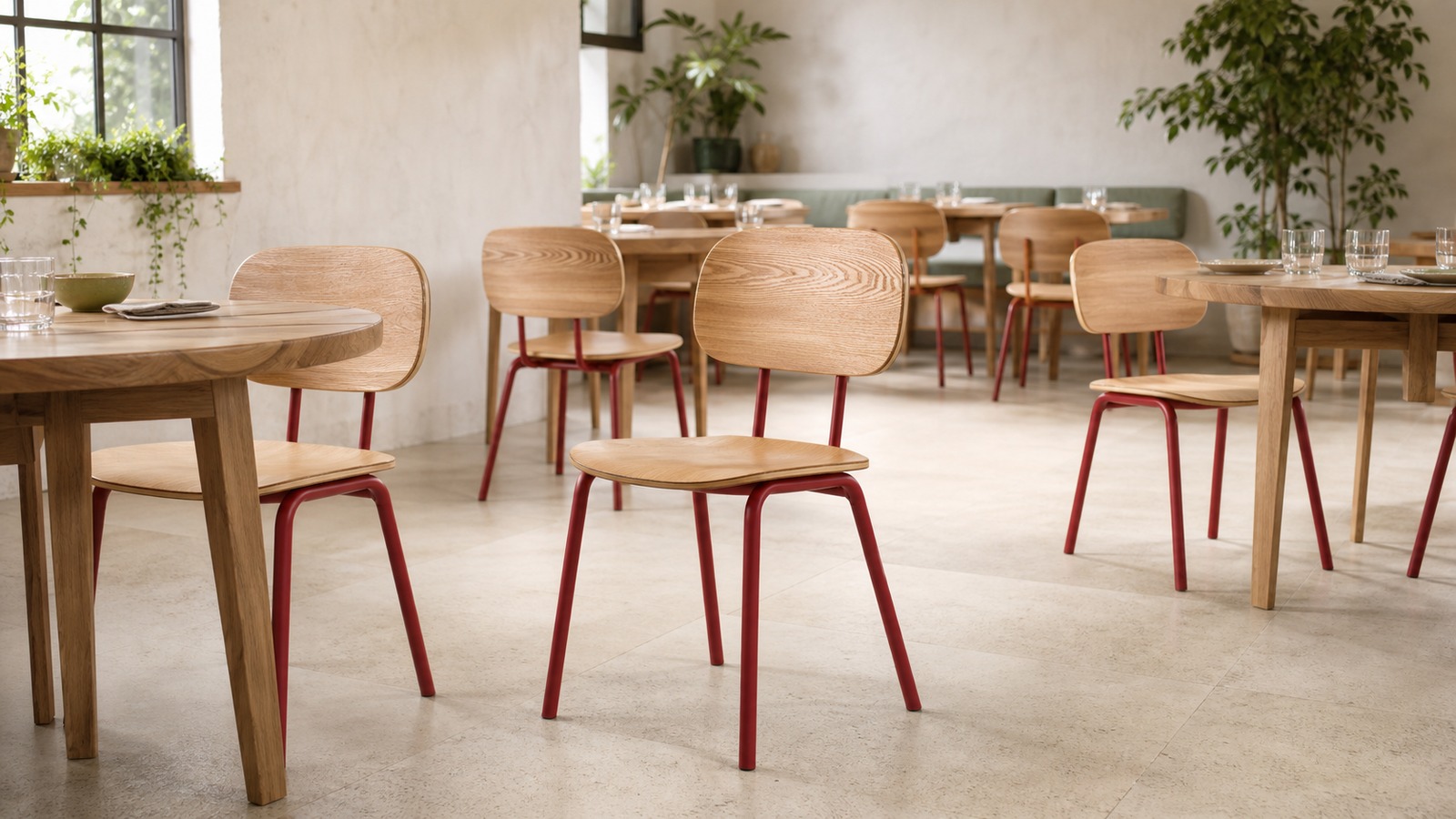
A chair platform is a group of products that shares important dimensions or components. The collection may use the same molded plywood backrest, related seat drilling or a common frame connection while offering different visual expressions. One version can be a warm wood veneer dining chair. Another can use upholstery for hotel rooms or meeting areas. A third can add a distinctive powder-coated frame for restaurants and cafes.
This platform approach helps buyers develop a recognizable product family. It can also make sampling, replacement parts and repeat ordering easier because the technical team is not managing a completely unrelated structure for every SKU. The goal is not to make every chair identical. It is to decide which elements should remain stable and where controlled variation will create the most value.
The best collection begins with geometry that can be manufactured consistently. For molded plywood chair parts, the development team reviews the curve radius, plywood thickness, veneer direction, edge profile, drilling position and frame connection. A dining chair needs a comfortable back angle and sufficient seat support. A visitor chair may need a more upright posture, while a lounge chair usually requires a deeper and more relaxed form.
A visually dramatic curve is not useful if it creates weak edges, unstable mounting or inconsistent pressing. DALI focuses on practical bent plywood forms that can move from drawing to mold, sample and repeat production. Buyers can provide a technical drawing, 3D file, target dimensions, reference chair or physical sample. The structure is then reviewed against the intended use, upholstery allowance, frame design and target cost.
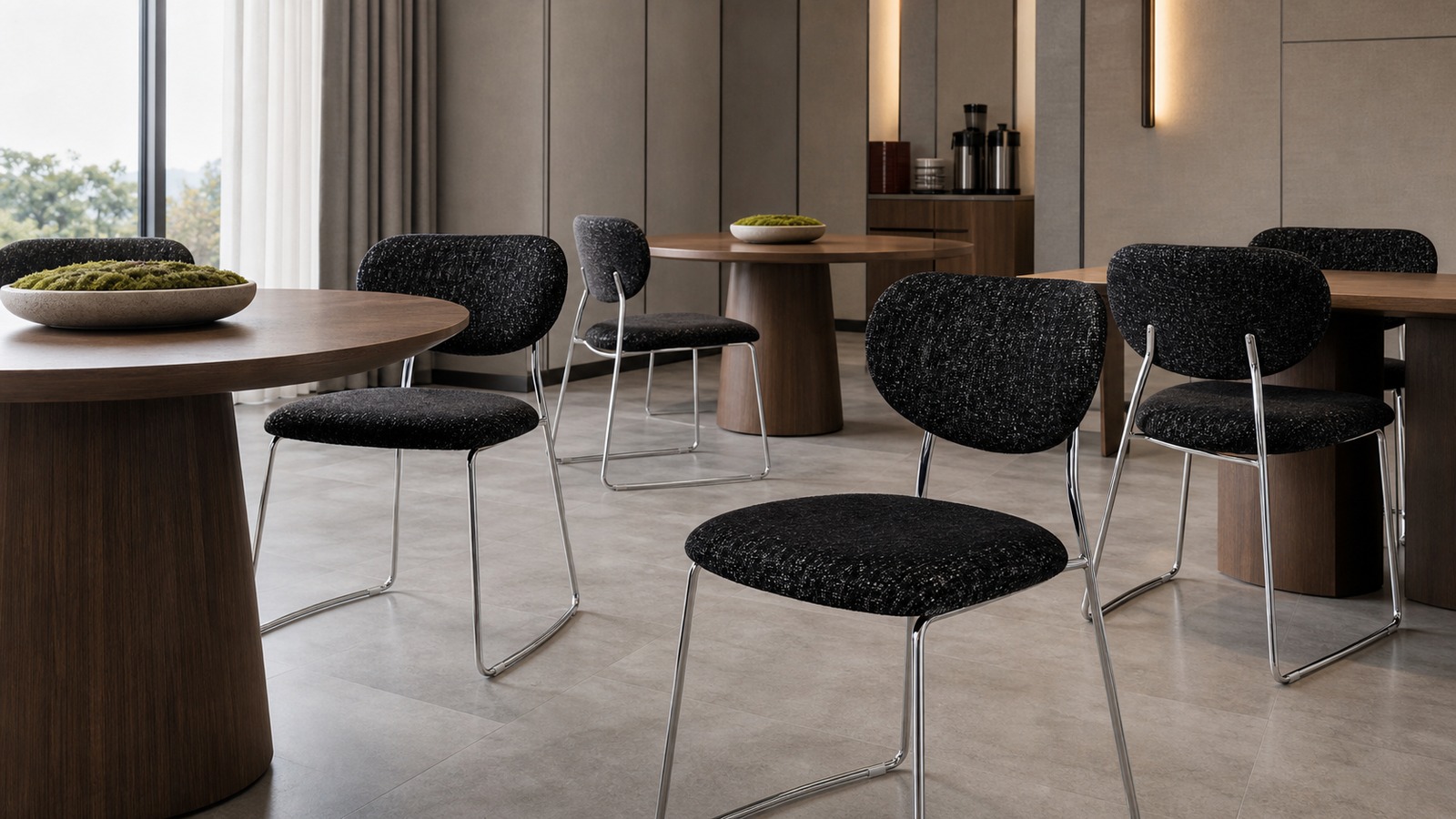
A coordinated chair family gives interior buyers more flexibility. A restaurant may select an exposed oak or walnut veneer because the natural surface is easy to understand and works with tables, flooring and joinery. A hotel breakfast area may choose an upholstered seat for longer sitting comfort. A flexible meeting lounge may use a full upholstered shell on a steel sled frame for a quieter, more professional appearance.
The underlying design language can remain consistent through backrest proportion, edge shape, veneer direction or frame geometry. This gives the buyer visual continuity without forcing one material solution into every space. It also lets a custom dining chair manufacturer and hospitality buyer discuss a collection rather than a single isolated product.
The DALI chair examples below show how real products can express different positions within one sourcing program. Some use separate molded plywood seats and backs with visible wood edges. Others combine upholstery with plywood support. Frame choices include tubular steel, sled bases and four-leg structures in neutral or stronger colors. These are practical construction routes, not decorative renderings.
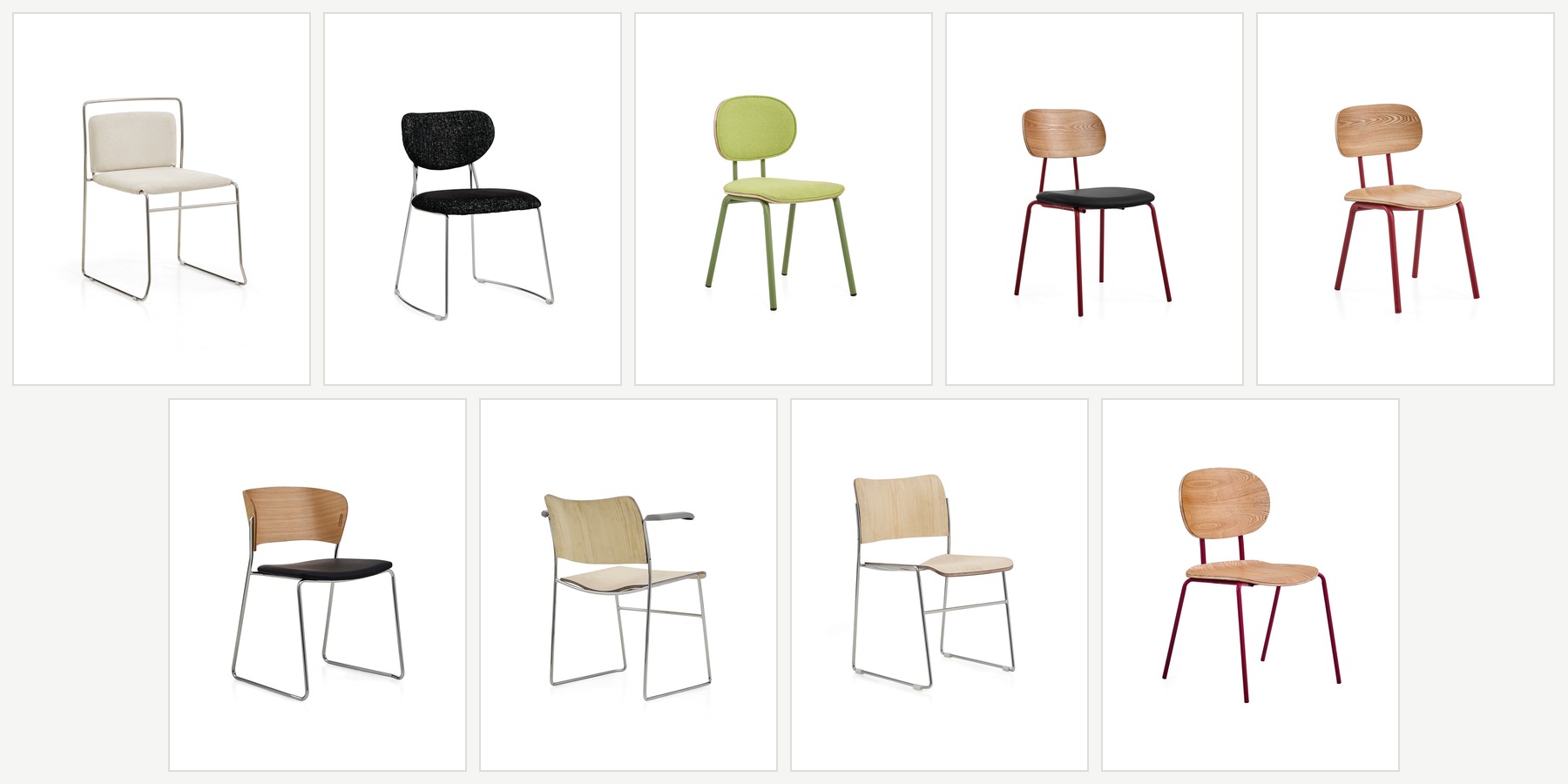
For distributors, these differences can define good-better-best price levels or separate residential, restaurant and contract applications. A clean exposed plywood model can offer efficient packing and straightforward maintenance. An upholstered version can add comfort and color. A distinctive frame finish can create a feature product without requiring an entirely new plywood mold.
This is useful for buyers seeking a restaurant chair supplier, hotel chair manufacturer or OEM partner able to manage related products. It also gives sales teams a more coherent story: customers see a collection built around shared material knowledge rather than a random group of chairs.
Surface decisions often create the fastest visible change. Natural oak, walnut tones, stained veneer and painted plywood can position the same form for different markets. Upholstery introduces another layer of choice through fabric texture, color, foam specification and the amount of exposed plywood. Powder-coated or plated steel frames can move the product from understated to expressive while preserving the main seat-and-back relationship.
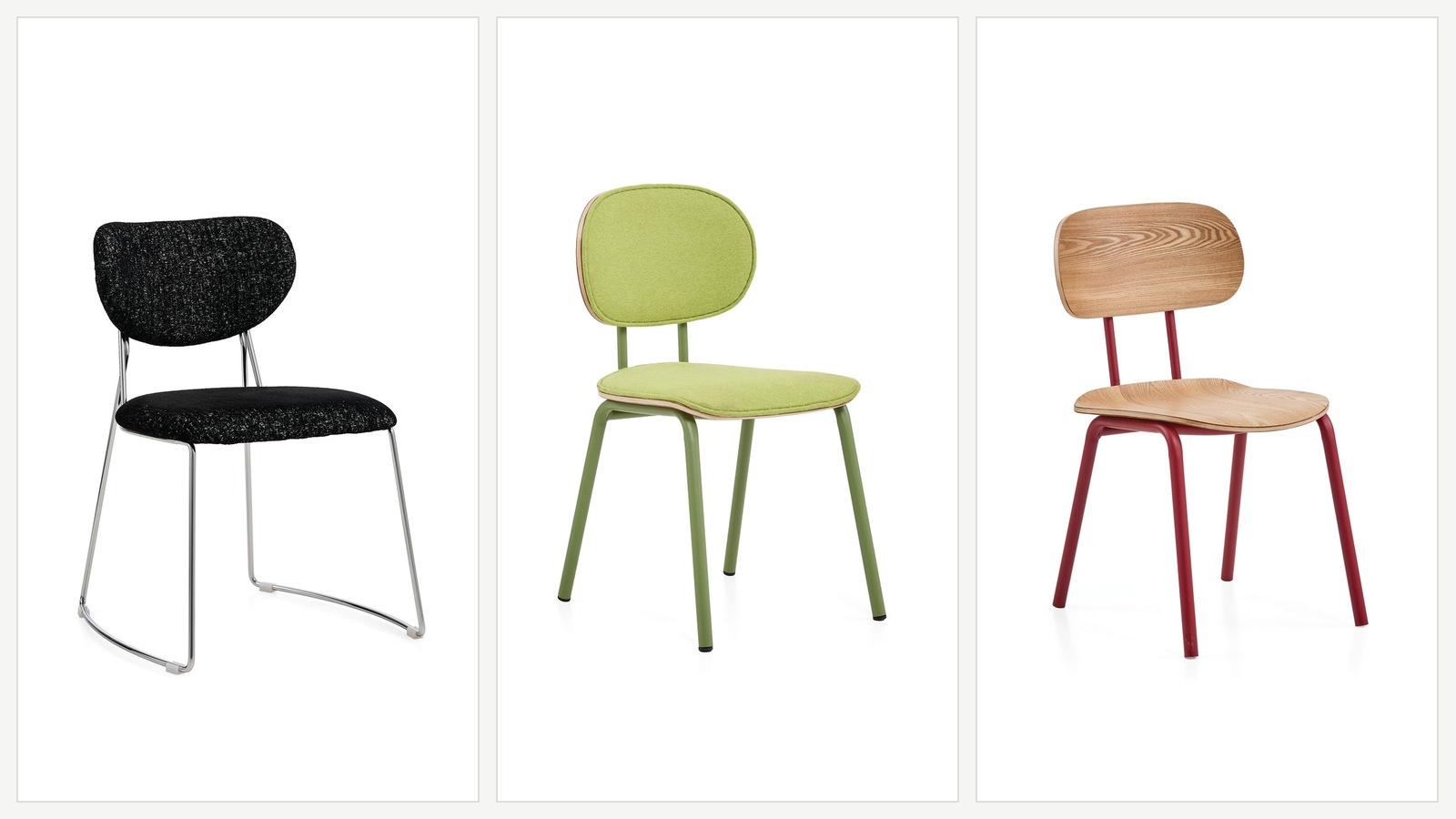
These options should be evaluated together. A darker veneer may need a different frame color to keep the silhouette clear. A thicker upholstered pad changes seat height and can affect the relationship between the seat, back and table. Commercial projects may also require specific abrasion performance, cleaning characteristics or fire-test planning. Confirming these details during sampling prevents a visual selection from becoming a production problem.
Not every project needs a new mold. Buyers who need a faster launch can begin with an existing molded plywood component and customize veneer, color, upholstery, drilling or frame pairing where technically suitable. This route can reduce initial development time and help test market response with a smaller first order.
When a brand needs its own dimensions or distinctive curve, DALI can develop a custom chair mold. The process can include geometry review, mold planning, pressed sample production, trimming, drilling, finish selection and assembly testing. Controlled development cost and a low MOQ custom chair route can be discussed according to the product structure. Samples are available for suitable projects so buyers can review comfort, appearance and frame fit before volume production.
European and North American buyers increasingly expect clear material and product information. The EU Ecolabel furniture criteria, for example, emphasize legally sourced wood, controlled substances and product durability considerations. Actual requirements still depend on the destination, sales channel and intended use, so they should be confirmed for each order.
During development, buyers can discuss FSC-related material requirements, low-emission material targets, test plans, labeling, packaging and spare-part expectations. For restaurant, hotel, office and other contract projects, the sample review should also consider stability, strength, edge quality, color matching and repeated assembly. Clear specifications make the approved sample a useful reference for production and future repeat orders.
DALI operates four production bases with more than 200 production personnel and experience across nine product series. The company supports finished chairs, semi-finished assemblies and custom molded plywood components for dining chairs, lounge chairs, office chairs and other furniture applications. Buyers can combine existing product resources with custom development according to their market and budget.
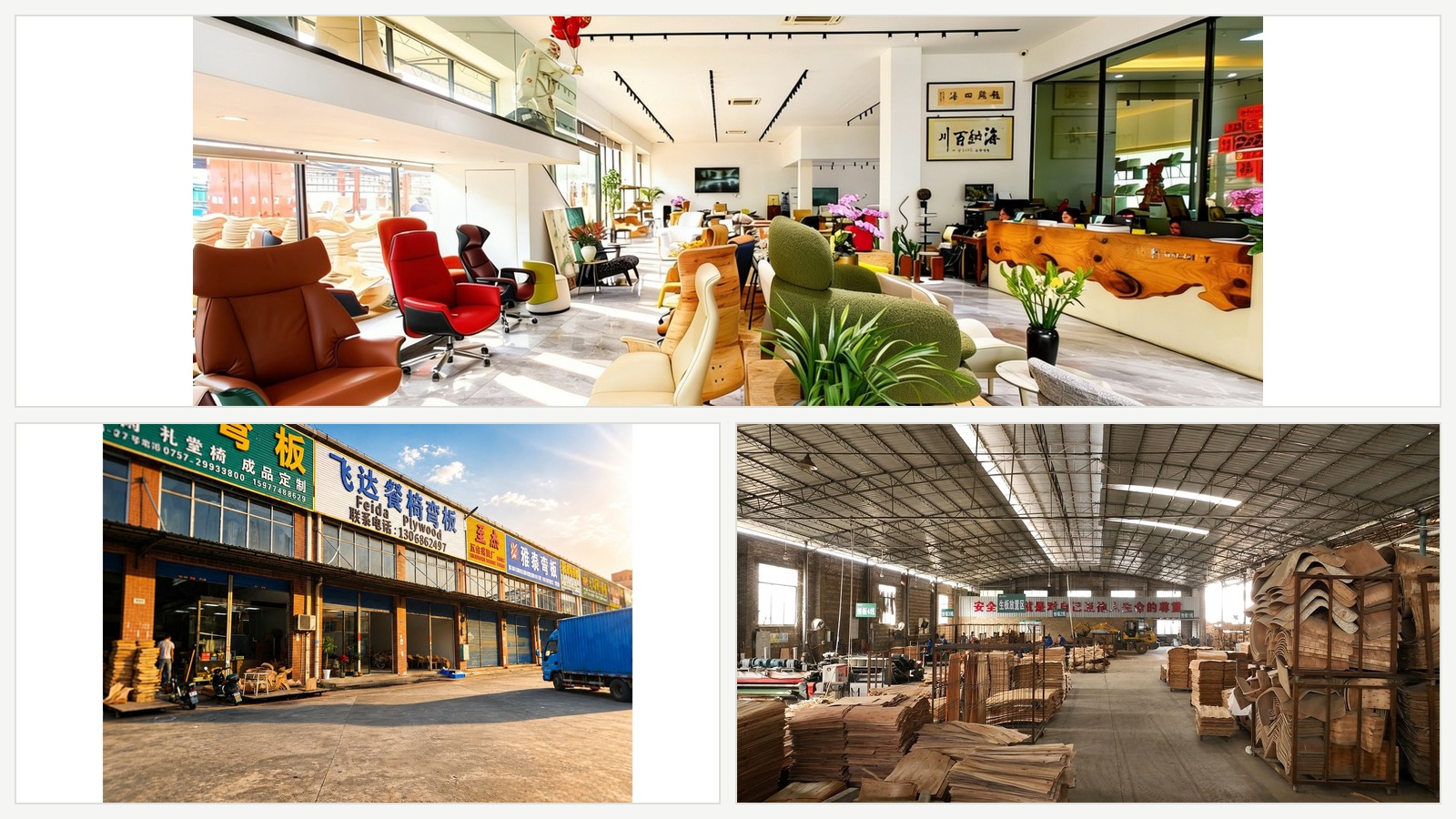
Showroom review and factory visits allow sourcing teams to compare samples, inspect molds, discuss materials and understand the production workflow. For overseas partners, this is particularly valuable when several chair variants share components but need different finishes or packaging. One approved technical platform can become a structured supply program for retailers, restaurant groups, hotels, project dealers and furniture brands.
Before requesting quotations, buyers can make the development process more efficient by answering five practical questions:
Which market and setting will use the chair: dining, restaurant, hotel, office or lounge?
Which dimensions and plywood curves must remain common across the collection?
Which variations should come from veneer, upholstery, frame finish or hardware?
Is an existing mold suitable, or does the brand need custom mold development?
What testing, material, packaging and order-quantity requirements apply?
With these decisions clear, one chair concept can become several credible market choices. DALI can help evaluate the structure, prepare samples and organize an export-ready production plan. For buyers planning new releases after Las Vegas Market 2026, a disciplined bent plywood platform offers a practical way to add variety while keeping development cost, quality control and supply coordination under control.