


 Jul 27, 2026
 dali plywood
 341
341
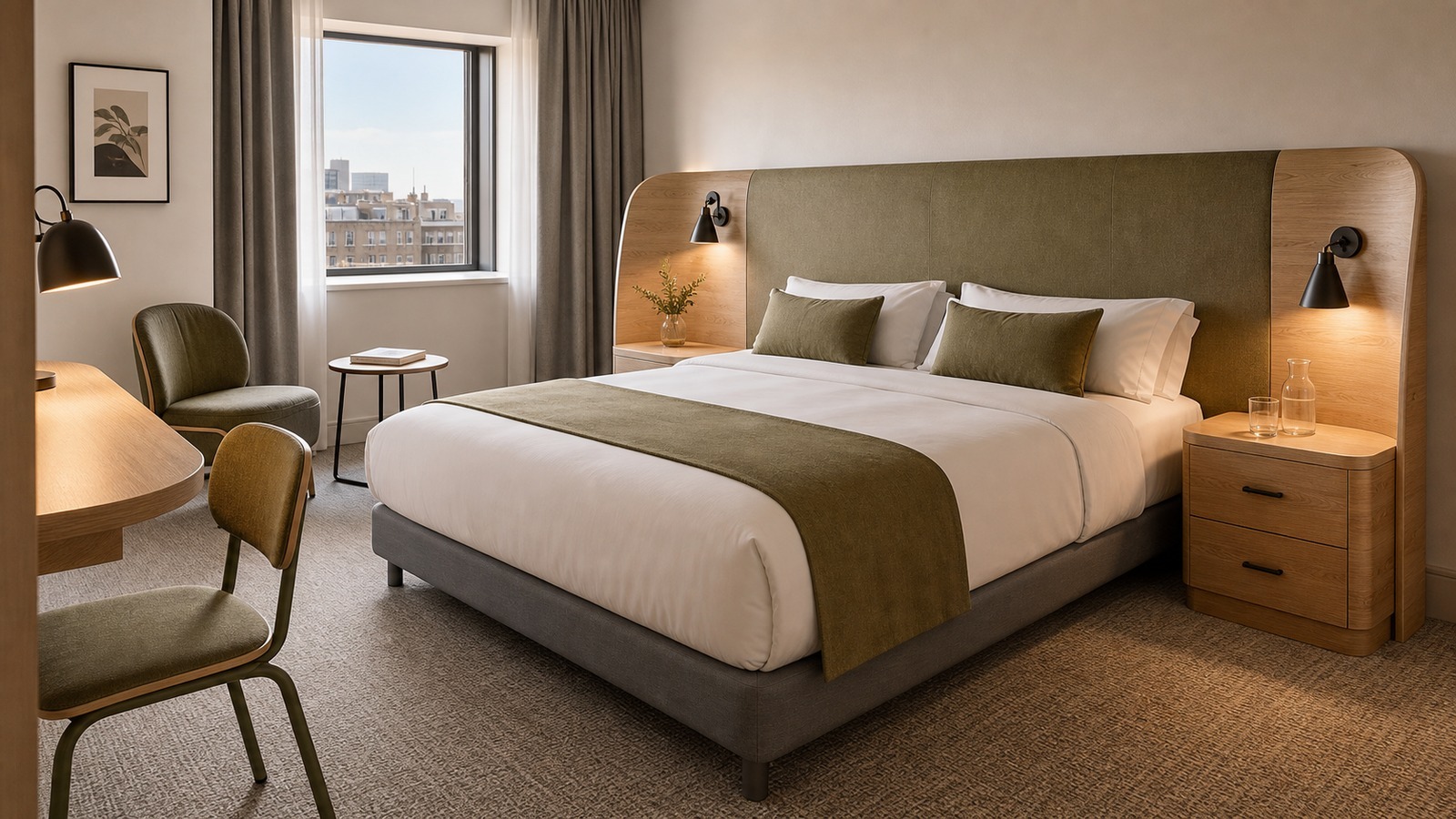
A hotel is not one furniture order. It is a connected group of spaces, each with different requirements for comfort, durability, appearance, installation and repeat supply. A single property may need headboards and bedside cabinets for every guestroom, compact lounge seating for suites, desk chairs for business travelers, dining chairs for breakfast service, discussion chairs for the lobby and meeting chairs for events.
That breadth creates an important opportunity for hotel owners, design firms and furniture contractors. Instead of treating every curved component as an unrelated purchase, they can develop a coordinated family of custom hotel furniture plywood components with repeatable geometry, controlled veneer direction and clear interfaces for upholstery, metal frames and hardware.
The market context supports this approach. Lodging Econometrics reported 1,731 hotel projects and 255,354 rooms in Europe's construction pipeline at the end of Q1 2026, with 319 new hotels forecast to open in Europe during 2026. Recent renovations in the United States have also refreshed guestrooms, lobbies, restaurants and meeting spaces together. For furniture buyers, the practical question is therefore not only which chair to order. It is how to build a reliable component program across the entire property.
The headboard is often the largest visual furniture element in a hotel room. It establishes the material language of the room and may also coordinate lighting, electrical access, bedside tables and wall protection. Molded plywood can form shallow side wings, rounded corner sections, upholstered support panels or modular curved returns around a padded center.
Large headboards require disciplined engineering. The buyer should define the total span, wall fixing method, section joints, upholstery buildup, lighting positions and packaging limits. A broad headboard can be divided into practical modules so that it fits the mold, carton, elevator and installation route. The visible veneer direction should also remain consistent from one room to the next.
Bedside cabinets and small casegoods use a different type of curve. A rounded plywood side panel can soften the room, reduce exposed sharp corners and coordinate visually with the headboard. The cabinet still needs conventional construction: a stable base, accessible drawer hardware, serviceable fittings and enough internal clearance for the intended storage. The curve should support function rather than replace it.
A guestroom may include several seating types even before the buyer reaches the lobby. A compact sofa or upholstered bench can use a curved plywood back or side shell beneath foam and fabric. A lounge chair can use a deeper molded shell to create comfort in a reading corner. A desk chair needs a more upright back angle, a stable frame connection and enough clearance for a work surface.
These products should share a design language without sharing the same geometry. The lounge chair may use a wider, more relaxed curve. The desk chair should remain compact and easy to move. The sofa back must coordinate with upholstery seams and the base frame. DALI can review the visible shape together with the hidden connection points so that the component is practical for the final furniture factory to assemble.
The components below show how one manufacturing capability can move across several hotel furniture categories. A headboard panel, sofa shell, curved casegood structure, office-chair shell and contract-chair back all begin with different dimensions and load paths, but they share the need for controlled pressing, trimming and repeatability.
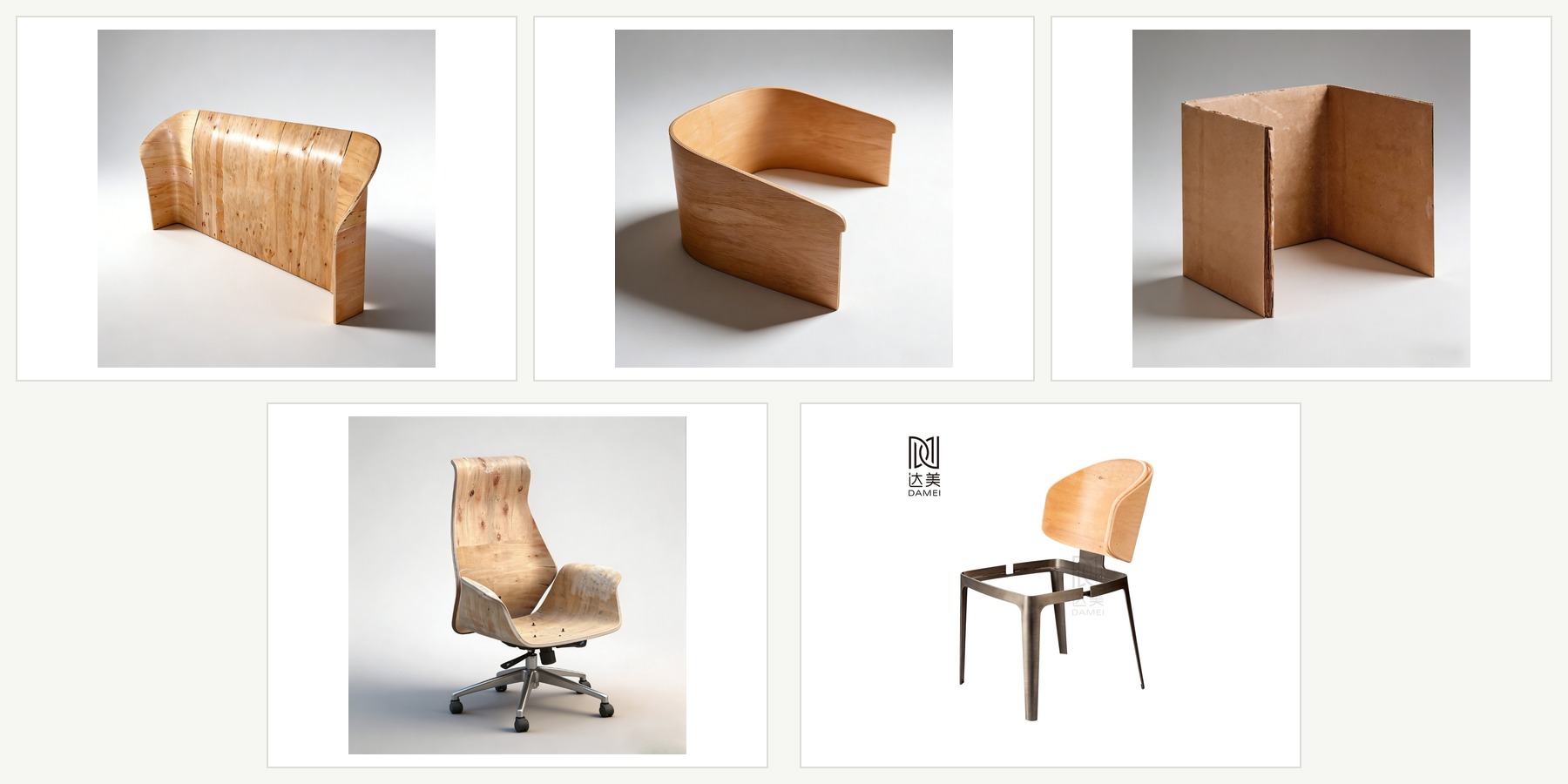
For project buyers, this creates flexibility. DALI can discuss bare pressed plywood, trimmed and drilled parts, veneered components, painted parts, upholstered subassemblies or finished furniture according to the supply scope. Existing molds may provide a faster starting point for suitable designs. A distinctive room concept can be developed with a new custom mold after drawings, dimensions and samples are reviewed.
Many current hotels are designing public areas as flexible social spaces rather than formal waiting rooms. Guests may work for an hour, meet a colleague, drink coffee or wait for transport in the same area. This creates demand for several coordinated furniture types: lounge chairs, compact sofas, side chairs and small discussion-table seating.
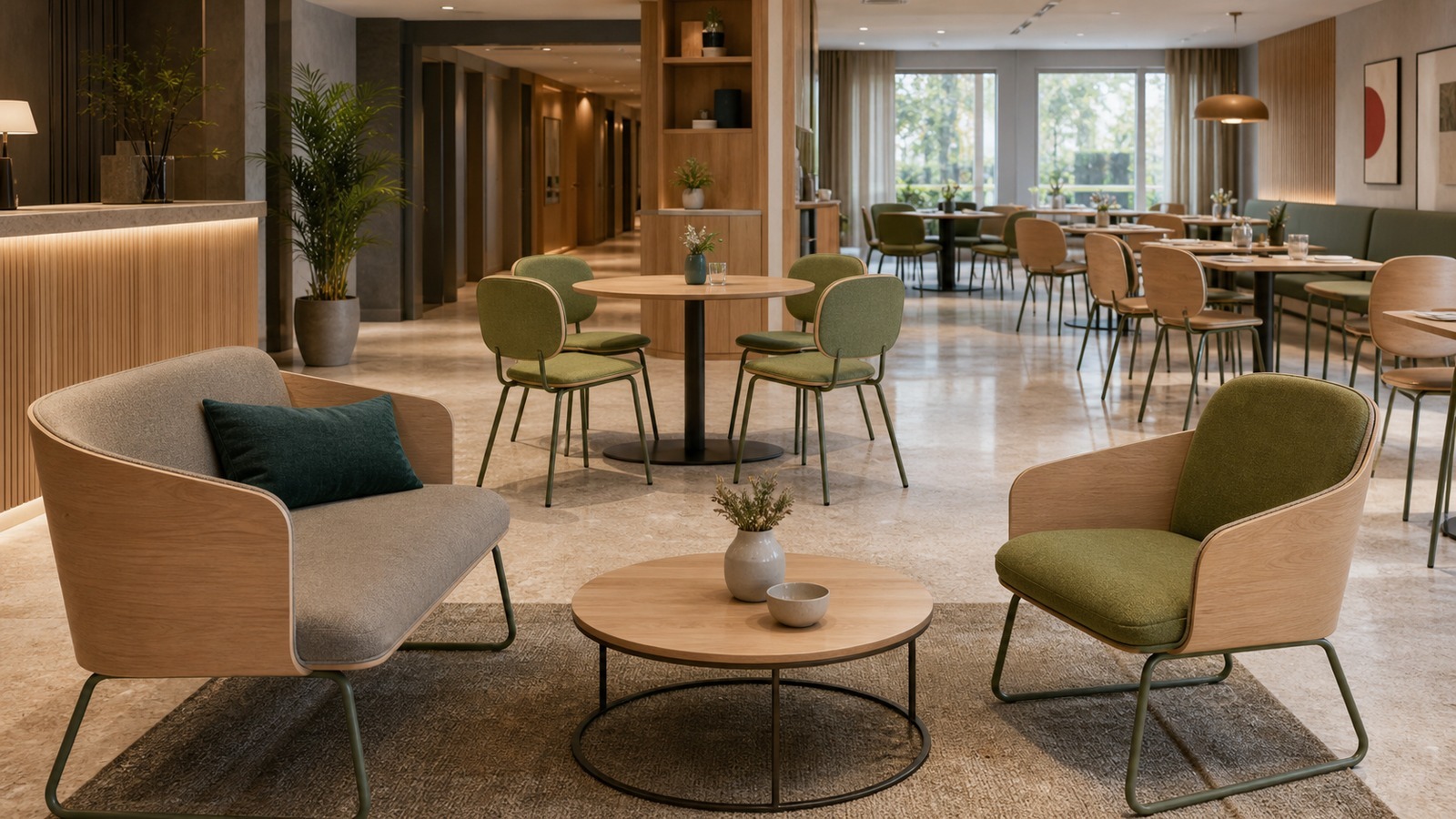
A coordinated molded plywood program helps these products feel related without making every item identical. The same oak veneer and edge detail can appear on a lounge-chair shell, a discussion-chair back and a dining-chair seat. Upholstery color, frame type and seat height can then change for each use. This is especially useful for hotel groups that want a recognizable room and public-area identity across several properties.
Public-area furniture also receives harder use than many residential products. The brief should identify cleaning methods, expected occupancy, floor protection, replaceable upholstery, visible-edge requirements and how the furniture will be moved. These details influence plywood thickness, connection design, coating and packaging.
A hotel restaurant may reset tables several times a day. Dining chairs need a comfortable but upright posture, practical weight, smooth edges and consistent seat height. Molded plywood backs and seats can be combined with steel, aluminum or wooden frames, and buyers can choose exposed veneer, partial upholstery or fully upholstered surfaces.
The best option depends on the service model. A breakfast room may prioritize easy cleaning and efficient movement. A full-service restaurant may use deeper upholstery and richer finishes. A banquet area may need stacking or compact storage. A bar or private dining room may require a distinct chair while preserving the same finish family.
Hotel meeting rooms range from small boardrooms to training rooms and ballrooms. A discussion chair for a four-person table can be compact and visually warm. A longer meeting requires better back support and may need armrests. A training chair may need mobility, nesting, stacking or a writing surface. The component and frame should be selected around the actual operating model.
The DALI product directions below illustrate several combinations of plywood backs, plywood seats, upholstery and metal frames that can be adapted for dining, meeting and negotiation areas.
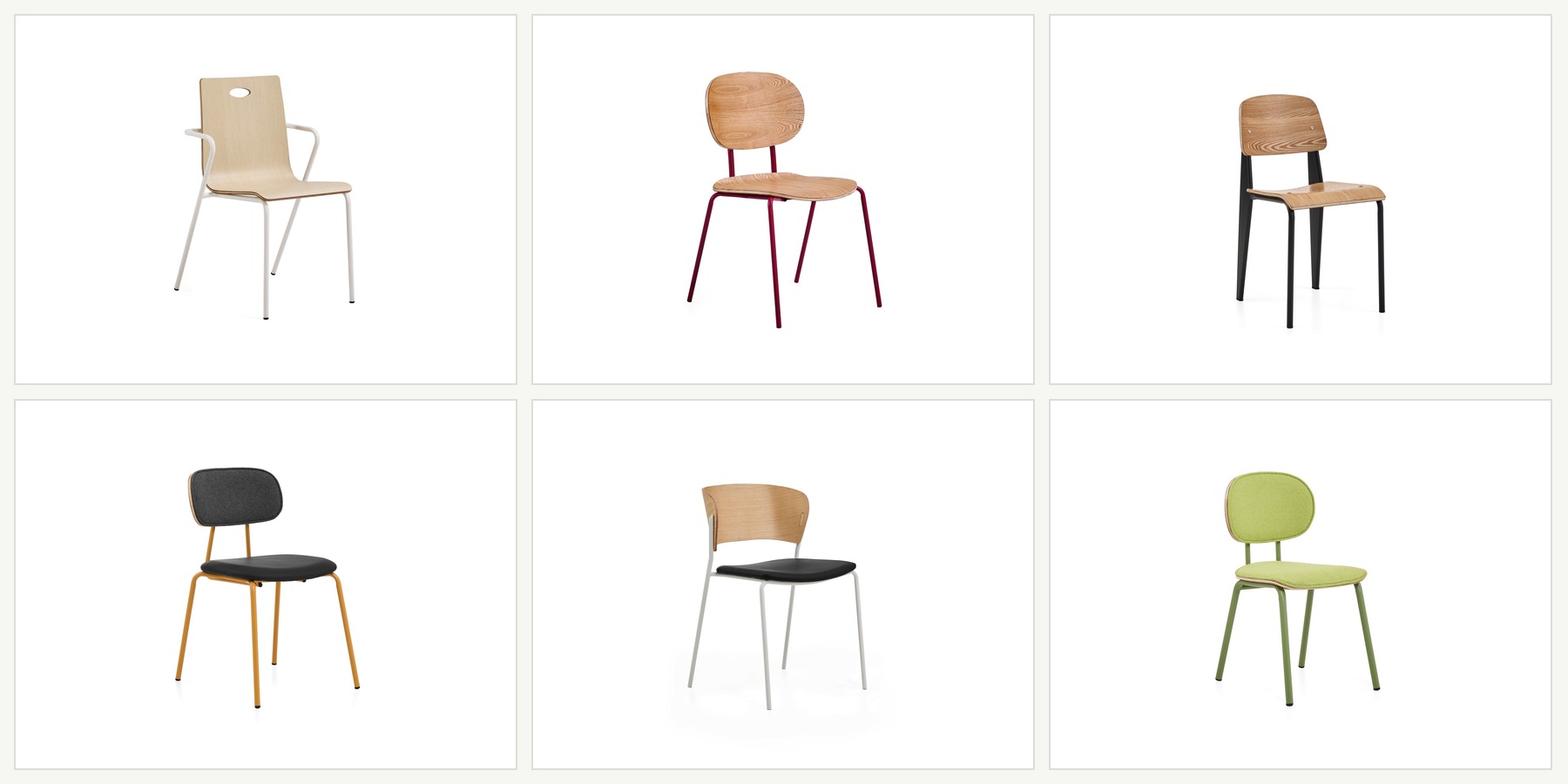
A hotel buyer can purchase finished chairs for suitable projects or develop custom components for assembly by another furniture factory. This distinction should be clear at quotation. Finished furniture requires the complete frame, upholstery, finish, hardware and packaging specification. Component supply focuses on the plywood geometry, machining, surface and interface with the buyer's other parts.
The strongest hotel furniture programs repeat a few recognizable details instead of repeating one product everywhere. A consistent veneer species, edge radius, upholstery palette or frame finish can connect the guestroom and public spaces.
Guestroom: curved headboard wings, bedside cabinet sides, sofa backs, lounge-chair shells and desk-chair components.
Lobby: upholstered lounge shells, compact sofas and discussion chairs.
Restaurant: dining-chair seats and backs with exposed or upholstered finishes.
Meeting areas: conference, training and negotiation chairs for different session lengths.
Suites and lounges: deeper seating, distinctive veneer finishes and custom upholstered forms.
This approach also simplifies sampling. The buyer can approve a shared veneer tone and edge standard, then evaluate the geometry and upholstery of each product separately. It reduces the risk that guestrooms, restaurants and meeting spaces arrive with unrelated wood colors or inconsistent details.
A useful inquiry begins with the finished application, not only a reference photo. The technical package should include the target dimensions, 2D drawings or 3D files, intended veneer, plywood thickness, visible surfaces, upholstery allowance, frame connection, hole positions, finish, expected quantity and destination market.
For headboards and casegoods, DALI also needs wall or cabinet connection details and packaging limits. For chairs and sofa shells, the buyer should identify the expected load direction, foam thickness, seam position and mating frame. If a physical sample is available, it can help confirm curvature, assembly clearances and acceptable surface quality.
Hotel projects may have additional requirements for emissions, fire performance, durability, coatings and upholstery materials. The exact standard depends on the market and the finished product. DALI maintains FSC Chain of Custody certification within its stated scope and has an SGS report for a specified plywood sample covering selected formaldehyde-emission requirements. Documentation and testing must be confirmed for the actual order rather than assumed from a general certificate.
A practical development sequence is straightforward:
review the hotel zone, finished product and design intent;
confirm dimensions, material, veneer direction and connection points;
select an existing mold where appropriate or develop a controlled custom mold;
produce a sample and check fit with the frame, foam, fabric and hardware;
approve the reference sample and written specification;
plan batch production, inspection, packaging and delivery by project phase.
This process is useful for both standardized chain-hotel rooms and more individual boutique or resort projects. A large rollout may require room-by-room consistency and phased deliveries. A smaller property may prioritize low starting quantities and a distinctive custom shape. DALI can discuss both models according to structure, tooling and production availability.
DALI operates four production bases with more than 200 production personnel and experience across nine product series. Production capabilities can include veneer preparation, mold pressing, conditioning, trimming, CNC machining, drilling, sanding, surface finishing and upholstery coordination according to the project scope.
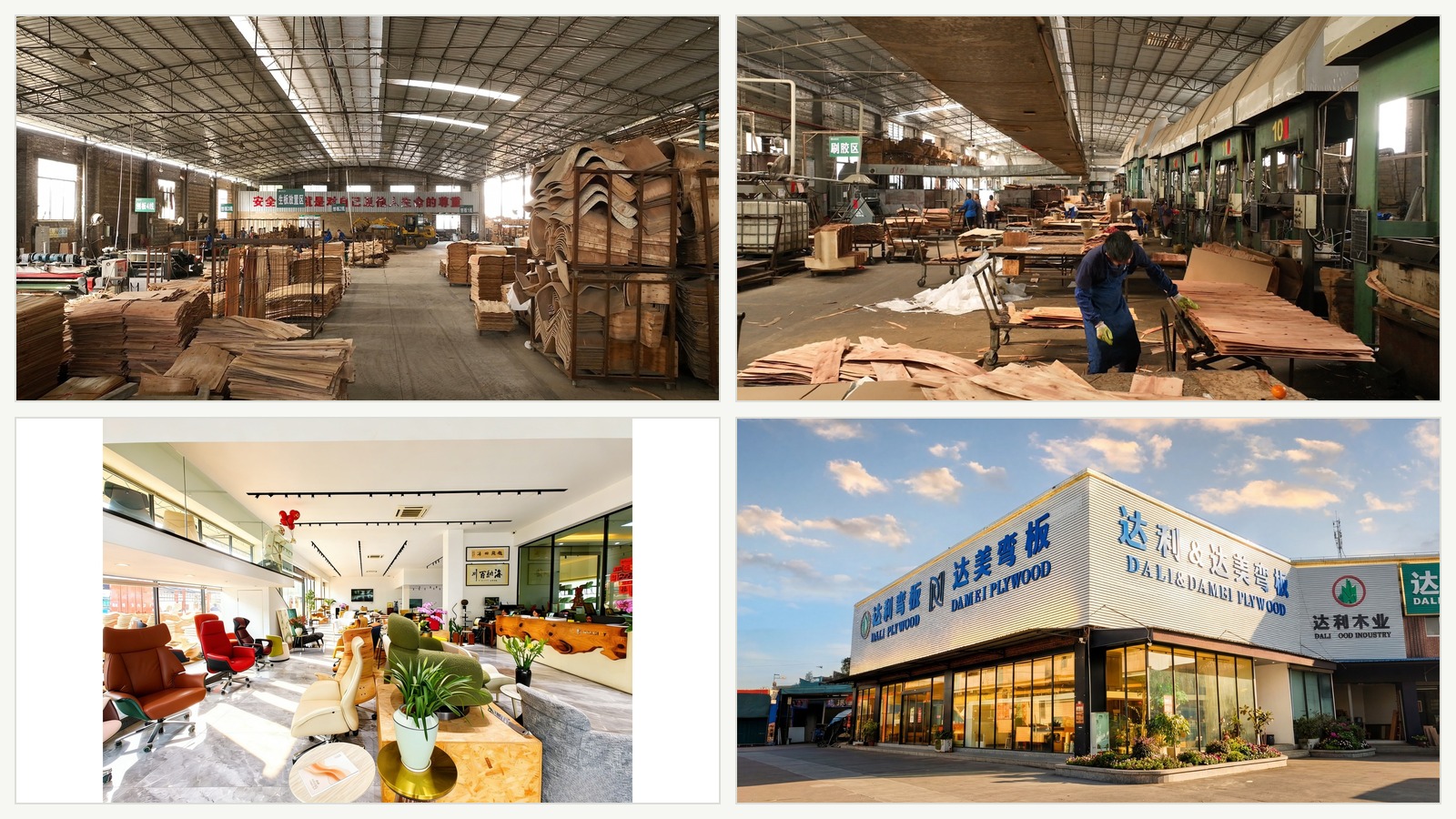
Buyers are welcome to visit the factory and showroom to review molds, plywood components, finished chairs, veneer options and production control points. A hotel project can begin with one headboard, one chair family or one public-area component, then expand after the geometry and finish are approved.
The bed, bedside cabinet, sofa, lounge chair, desk chair, meeting chair, dining chair and discussion chair may look like separate purchases. From a manufacturing perspective, they are a connected set of opportunities to turn controlled wood curves into repeatable furniture components.
DALI supports custom mold development, suitable low starting quantities, sample evaluation and repeat production for hotel furniture projects. Send the room drawings, furniture schedule, reference samples or target dimensions, and the team can help identify which parts are suitable for molded plywood, which existing molds may be useful and where a new tool will create a more distinctive result.