

 Dec 08, 2025
 Calvin Wong
 1817
1817
Practical overview for procurement managers, importers and sourcing teams: materials, steps, quality checkpoints, common variations and
shipping/packaging expectations.
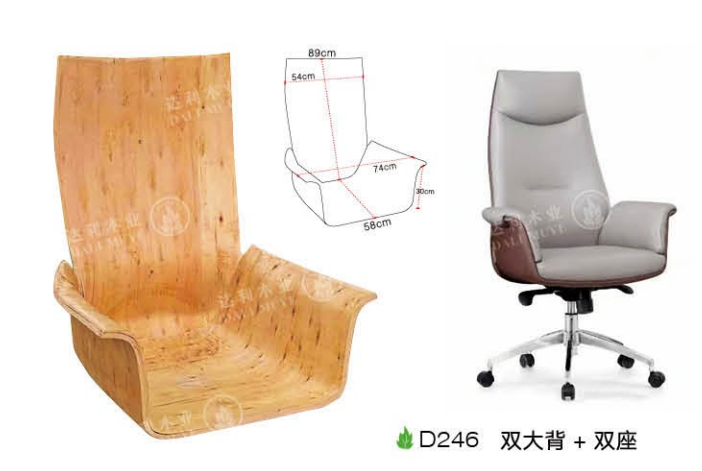
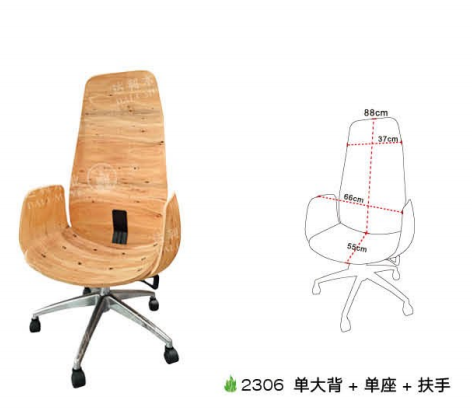
Charles and Ray Eames pioneered molded plywood seating in the 1940s by layering thin wood veneers and using heat and pressure to create complex, comfortable curves. Their early “Kazam!” molds and later industrial presses shaped shells that became iconic for design and ergonomics. The shaping method still determines strength, comfort and longevity.
Eames-style plywood chairs are typically made from multiple thin veneers, often birch, walnut or ash. Common specifications:
Veneer species: birch for uniformity, walnut/ash for premium look
Ply count: usually 5–7 plies for seat/back shells
Core plies: hardwood layers for strength
Adhesives: phenolic or urea-formaldehyde thermosetting resins
Moisture: veneers conditioned to ~6–10% for stable bending
The choice of veneer and adhesive has a large impact on structural performance and final appearance.
Veneers are selected, grain-matched and cut into shape. Glue is applied evenly across each surface, and veneers are stacked with alternating grain direction (cross-layup). Proper glue distribution is essential to prevent voids and delamination.
This is the most crucial stage.
Factories use:
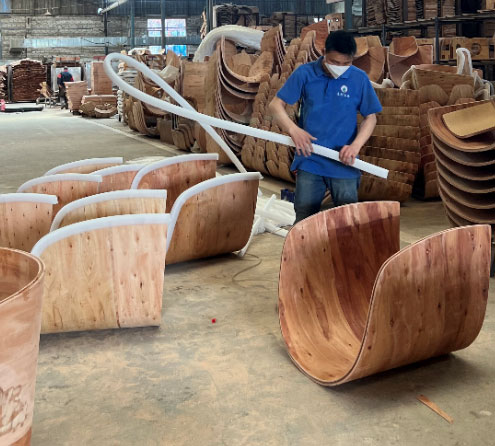
Heated platen or hydraulic presses with matched male/female molds
Vacuum or rubber membrane forming systems for complex curves
Typical technical parameters:
Press temperature: 100–150°C
Pressure: 0.5–1.5 MPa
Pressing time: from minutes to several hours depending on adhesive
The molding step permanently sets the compound curvature and ergonomic shape.
After curing, shells cool to stabilize the shape. Excess material is trimmed using CNC or jig saws. Multiple sanding steps refine edges and surfaces to prepare for finishing.
Common finishes include:
Clear lacquer
Pigmented lacquer
Stain + lacquer
Resin-impregnated surface coatings
Higher-end manufacturers perform hand sanding and grain matching for visible veneers. Finishing protects the wood and enhances appearance.
Classic Eames plywood chairs use rubber shock mounts to connect shells to bases. Advantages:
Isolate movement
Reduce structural stress
Provide flexibility and comfort
Bases can be metal, wood or wire frames. Importers should confirm:
Whether mounts are pre-installed
Type/spec of screws and bushings
Assembly instructions and torque requirements
Key QC items include:
Veneer quality: grain match, no knots or cracks
Bond integrity: peel tests, no delamination
Dimensions: curvature tolerance, mounting holes alignment
Surface finish: gloss consistency, no runs/bubbles
Hardware: correct mount position, firm base connection
Strength tests: static and fatigue load tests
Importers should request production photos and videos of layup and pressing to verify equipment quality.
Packing typically includes:
Nested shells (if design allows)
Foam protection
Carton + edge protectors
Palletized loads
Lead time depends on:
Veneer procurement and drying
Mold/tooling requirements
Custom finish or upholstery
QC cycle and rework
Factory production load
Common OEM/ODM offerings:
Custom veneer species (walnut, ash, oak)
Custom lacquer colors and gloss levels
Alternate base designs
Private-label branding
Custom packaging
Compliance items importers often request:
FSC certification
Formaldehyde emission compliance
Load/strength test reports
Timber legality documents
Intellectual property considerations (licensed vs. replica)
Model & drawings
Veneer species & grade
Ply count & layup
Adhesive type
Molding method
Finish details
Hardware list & assembly method
QC criteria & AQL
Certifications
Packaging spec
Lead time
Q: How many plies are standard?
5–7 plies for seat/back shells.
Q: Does plywood furniture need special shipping?
Protect from moisture and pressure; use pallet frames if stacking heavy loads.
Q: What is the typical lifespan?
Many years under commercial use; depends on adhesive quality and finish.
For importers, the crucial factors are veneer selection, molding method, quality finishing, and strict QC. A well-defined PO with clear specifications and required certifications reduces risk and ensures consistent quality. Request samples, process photos and factory audits before large orders.