


 Jun 20, 2026
 dali plywood
 383
383
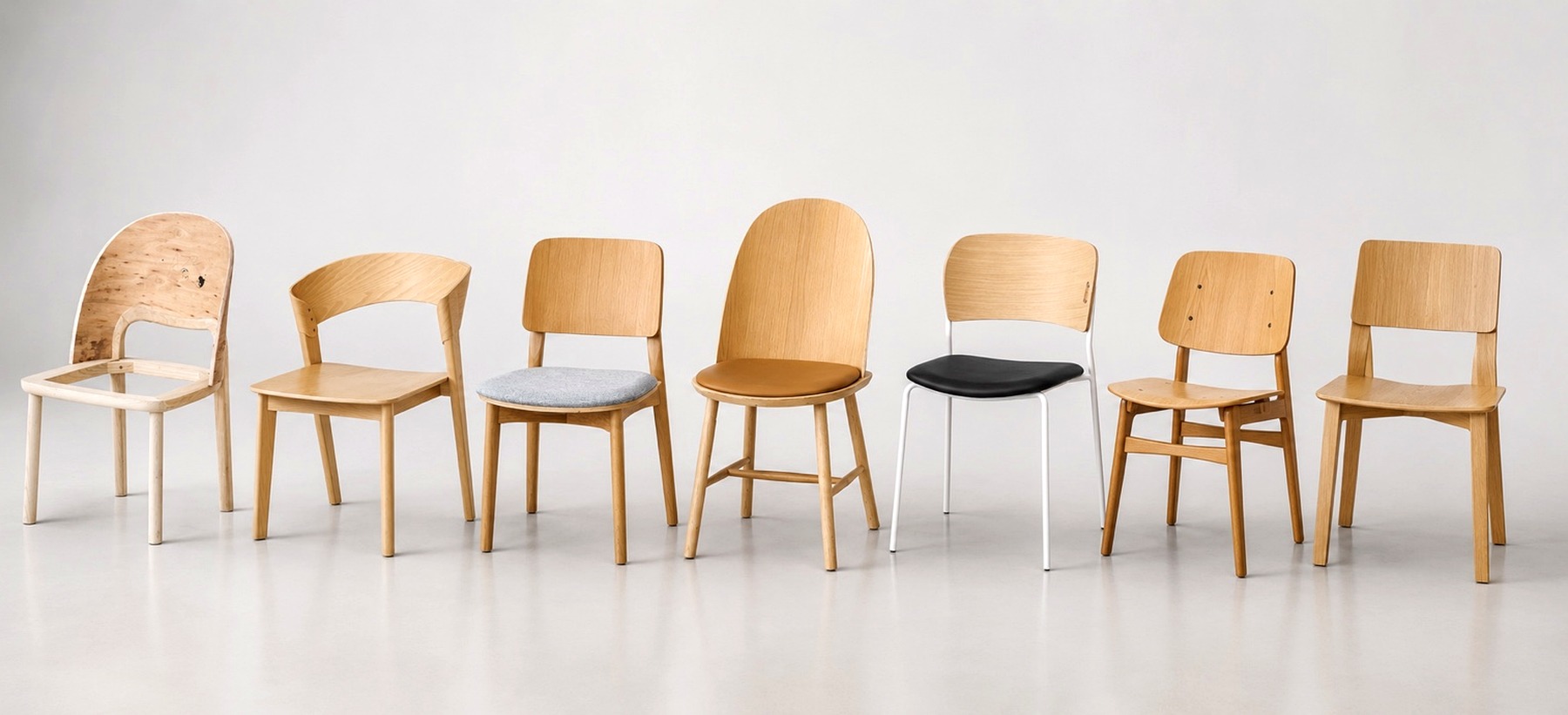
From curved chair backs to small-batch custom development, DALI Wood helps furniture brands turn new dining chair ideas into production-ready plywood components.
Dining chair design is changing again. Across European and North American interiors, buyers are moving away from rigid, heavy and overly formal dining furniture. Softer silhouettes, natural wood texture and lighter visual proportions are becoming more attractive for homes, restaurants, cafes, hotel dining areas and contract furniture projects.
This creates a practical challenge for furniture brands. A chair can look simple from the outside, but the curved back, molded seat, edge treatment and hole positions all affect comfort, durability, assembly time and final cost. For many new dining chair collections, the most important component is no longer the frame. It is the curved plywood part that gives the chair its shape.
That is why more buyers are searching for custom bent plywood for dining chairs, curved plywood chair backs and molded plywood seats. They are not only buying a material. They are looking for a reliable development partner who can convert a design idea into a repeatable component.
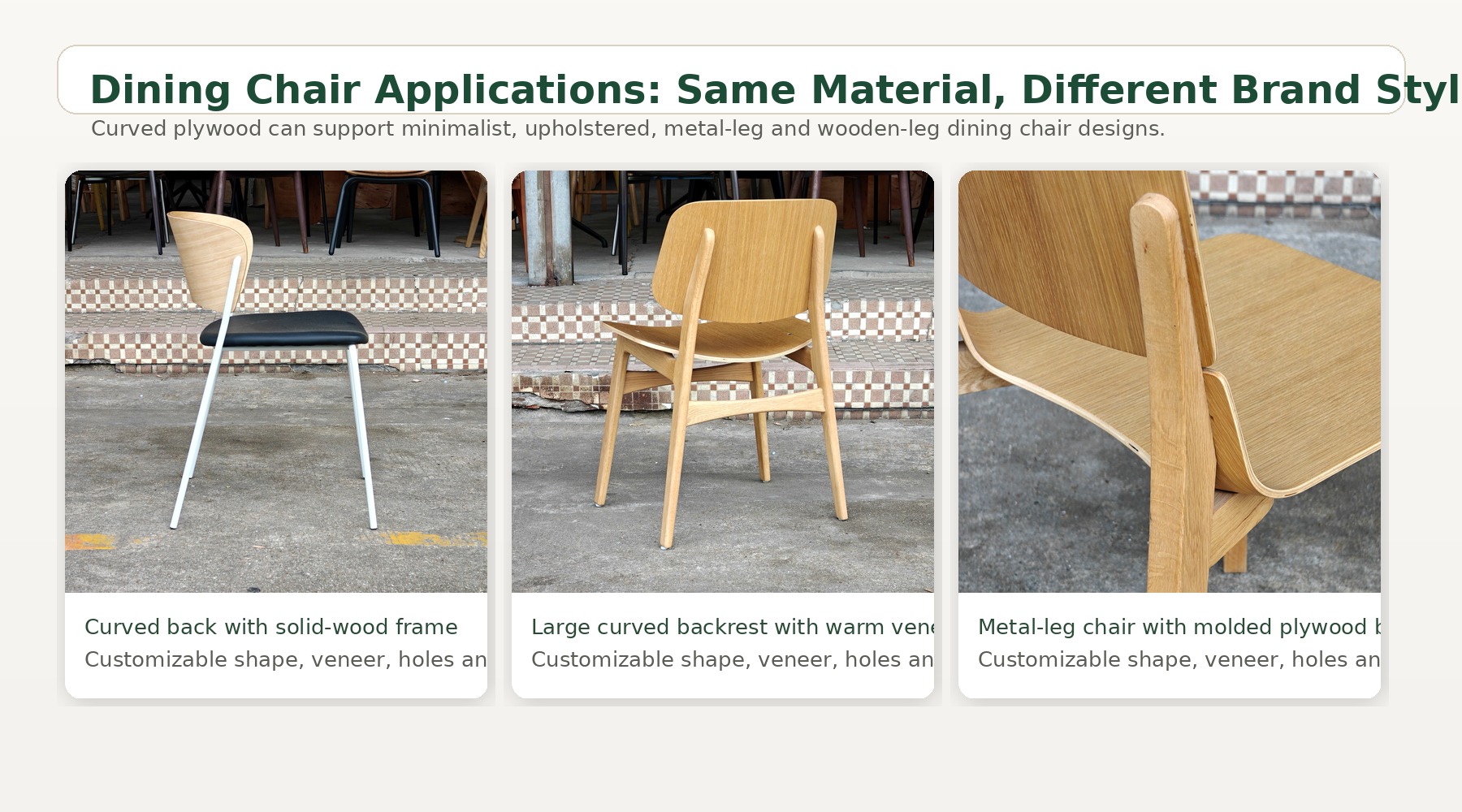
Bent plywood is especially suitable for dining chairs because it combines shape, comfort and production efficiency. Compared with thick solid wood, molded plywood can create a smooth curved surface while keeping the chair lighter and easier to assemble. Compared with flat boards, it can better follow the human body and create a more comfortable sitting experience.
For designers, curved plywood opens more possibilities. It can be used for a single curved backrest, a molded plywood seat, a back-and-seat integrated shell, a wide curved panel, or a structural support hidden under upholstery. For manufacturers, it helps control material use, reduce unnecessary weight and improve consistency between batches.
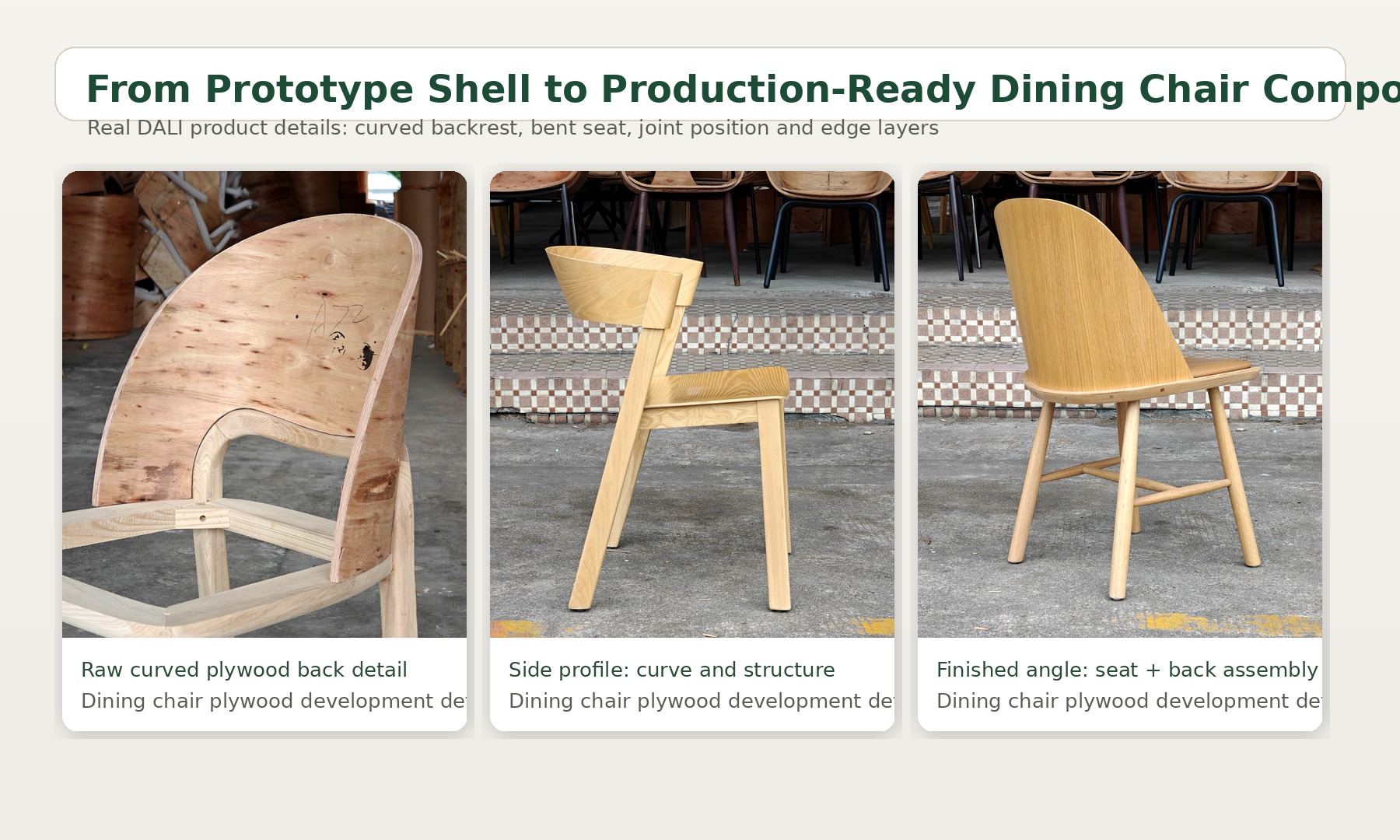
The best dining chair brands do not only care about a beautiful front view. They also care about details: edge layers, bending radius, veneer direction, screw hole positions, backrest angle, seat curve, thickness and surface preparation. These details decide whether the chair can move from sample room to market successfully.
Many furniture brands already know what they want to design, but they are slowed down by development cost and supplier limitations. A local supplier may ask for high tooling fees. A large factory may only accept big quantities. A small workshop may not keep every batch stable. In the middle, many promising dining chair ideas never become products.
For overseas buyers, the pain points are usually very clear: high mold cost, long sampling time, unclear technical feedback, unstable curve control, limited wood species options and poor support for small-batch test orders.
This is where DALI Wood can offer a more flexible path. Instead of asking customers to start with a very large commitment, DALI supports custom dining chair plywood development from around 100 pieces, depending on the specific model and structure. This is useful for brands that want to test a new chair series, prepare a furniture exhibition sample, launch a private-label collection or compare several backrest designs before scaling up.
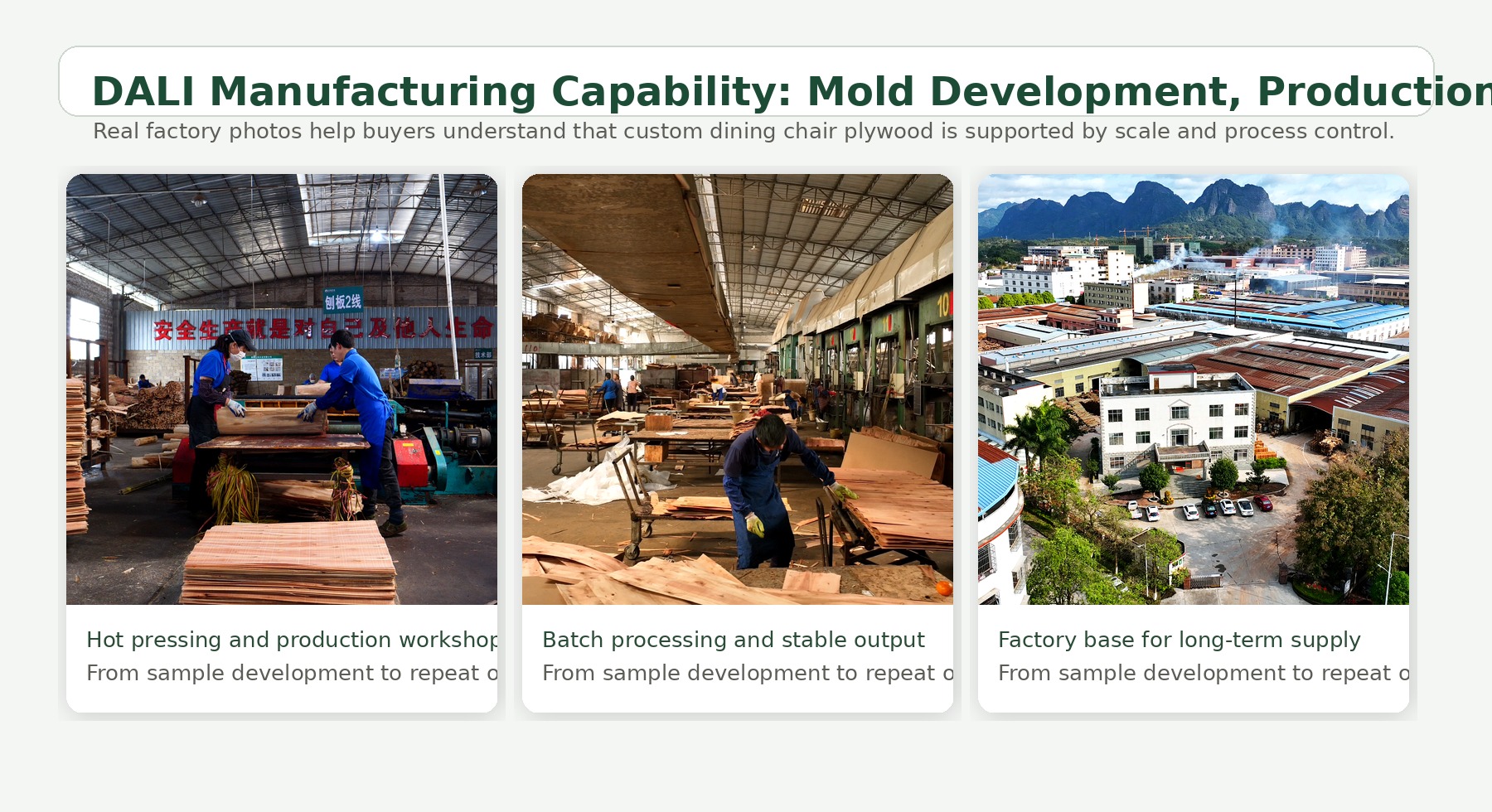
DALI Wood is not only a bent plywood manufacturer. The company has its own R&D capability for curved plywood structures. From concept review and mold planning to sample making and mass production, the team can help customers solve problems before a chair enters the market.
Founded in 2001, DALI Wood has built long-term experience in bent plywood, molded plywood and curved wood components for furniture. The company supports dining chairs, office chairs, lounge chairs, sofas, beds and other furniture structures. With more than 3,000 existing molds and a professional R&D team, DALI can quickly judge whether an existing mold can be adapted or whether a new mold should be developed.
This is important for buyers who need customization. If the shape, size, curve, thickness, hole position, veneer, edge or finish needs to change, DALI can develop around the project instead of forcing the buyer to choose only standard parts.
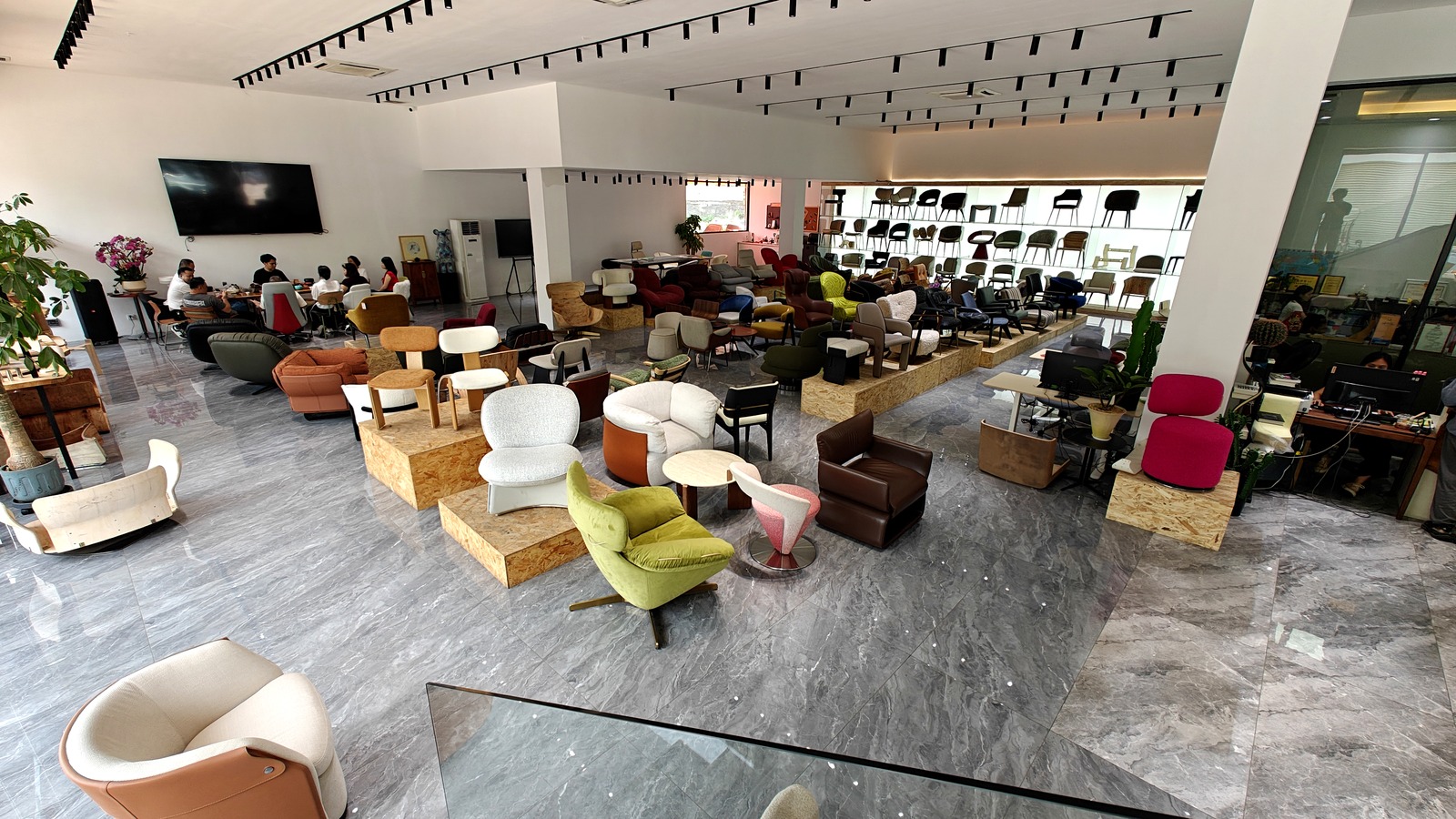
For international buyers, a good custom project needs a clear process. DALI Wood can support a step-by-step development workflow so that both sides control cost, timing and quality expectations.
Send a product idea, drawing, 3D file, photo or physical sample.
Confirm the use scenario: dining chair, restaurant chair, hotel chair, cafe chair or contract project.
Review curve, thickness, size, veneer, hole positions and assembly requirements.
Check whether an existing mold can be used or adjusted.
Develop a new mold when the design requires a unique shape.
Make samples, adjust details and prepare for a small-batch order from around 100 pieces.
Move to stable production after sample approval.
This process helps customers reduce the uncertainty of new product development. Instead of guessing whether a design can be produced, buyers can receive technical feedback from a manufacturer that works with curved plywood every day.
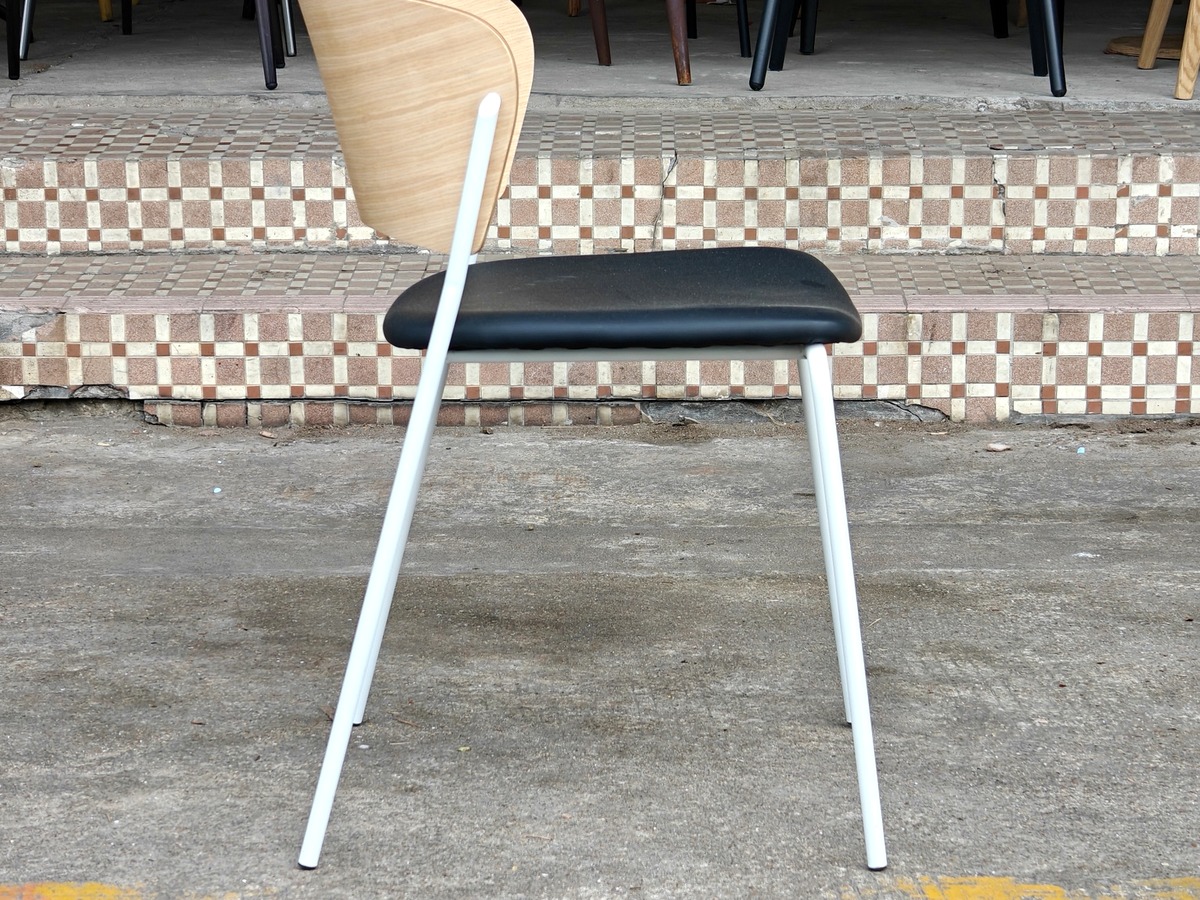
The dining chair market changes quickly. A furniture brand may need several models for different customer groups: one for home dining rooms, one for cafes, one for hotel projects, one for restaurants and one for online retail. Not every design should start with a large order.
Small-batch customization gives buyers more freedom. They can test a shape, check the comfort, compare several finishes and collect market feedback before placing a larger production order. For furniture factories, it also reduces the risk of investing too much in one untested design.
DALI Wood's low-cost mold development and flexible order support are designed for exactly this type of customer. When a buyer has a real product plan, the team can evaluate whether the project can start from around 100 pieces and then prepare a quotation sheet based on dimensions, structure, material and finish requirements.
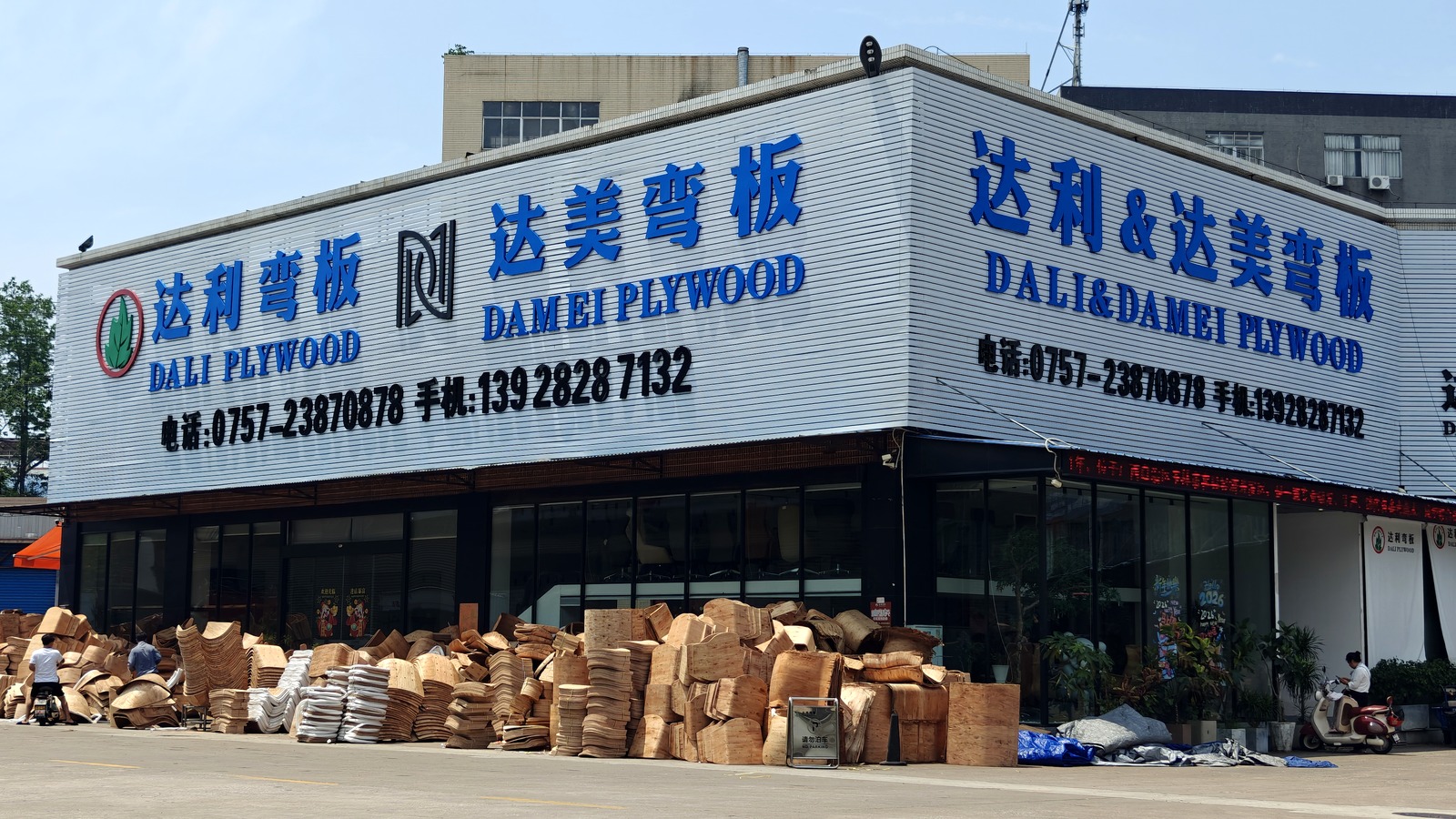
For European buyers, price alone is no longer enough. Wood products are increasingly connected with traceability, certification, responsible sourcing and retail compliance. Furniture brands need suppliers who understand export markets and can provide stable documentation support when required.
DALI Wood has experience serving overseas furniture manufacturers and supports certified material options such as FSC-related requirements. For customers preparing for European supply chains, early communication about wood species, documentation, glue, surface treatment and export requirements can reduce risk later.
A reliable bent plywood supplier should not only produce one good sample. It should help customers maintain the same curve, thickness, finish and quality in repeat orders. This is where factory capacity, mold management and production experience become valuable.
If you are developing a new dining chair, restaurant chair, cafe chair, hotel chair or private-label furniture collection, DALI Wood can help you evaluate the curved plywood component first. You do not need to start with a large order immediately. You can begin with a clear design discussion and a quotation sheet.
Send your drawing, size, thickness, curve requirement, wood species, finish and estimated quantity. If you only have a reference photo, DALI can also help review whether the structure is suitable for bent plywood production.
From small-batch custom development around 100 pieces to long-term mass production, DALI Wood provides a practical path for dining chair brands that need beautiful curves, stable quality and flexible supply.
This article draws on 2026 furniture and interior design trend reporting, European Commission information on the EU Deforestation Regulation, and DALI Wood company information covering its manufacturing history, mold library, annual capacity and certification support.