

 Dec 08, 2025
 Calvin Wong
 790
790
As the demand for modern, stylish seating solutions continues to grow, Eames molded plywood chairs remain a top choice for offices, hotels, cafes, and commercial projects. For importers and bulk buyers, selecting the right supplier in China is critical to ensure consistent quality, timely delivery, and compliance with international standards. This guide walks you through key factors, practical tips, and best practices for identifying and partnering with a reliable manufacturer or trading company.
Before contacting suppliers, it’s essential to know the details of the product you want:
Material composition: Typically, 5–7 plies of birch, walnut, or ash veneer, bonded with thermosetting adhesives.
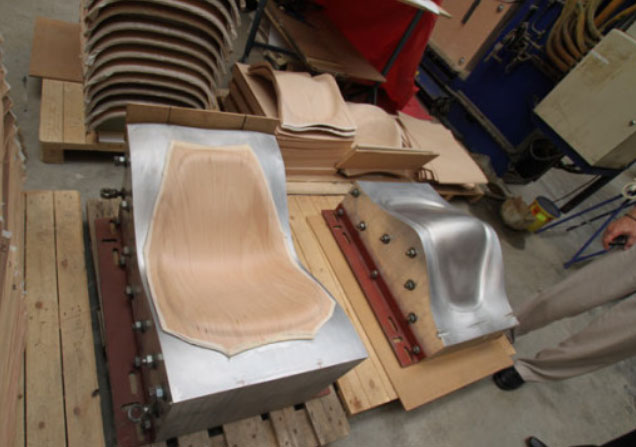
Molding process: Heated platen press, vacuum membrane, or hydraulic molding.
Finish: Lacquer, stain, resin, or upholstery pads.
Base options: Metal, wood, or wire frames with rubber shock mounts.
Understanding these elements will help you evaluate whether a supplier can meet your specifications and maintain quality standards.
There are three primary ways to find suppliers in China:
Trade platforms: Alibaba, Made-in-China, Global Sources. Look for verified manufacturers rather than trading companies when possible.
Factory visits: If feasible, visiting factories in Shenzhen, Dongguan, or other furniture hubs allows you to inspect machinery, processes, and quality control firsthand.
B2B referrals and exhibitions: Attending furniture expos such as CIFF (China International Furniture Fair) or using industry referrals can connect you with experienced manufacturers.

A reliable supplier should provide:
Business license: Verify company registration and operating scope.
Export license: Necessary for overseas shipments.
Product certifications: FSC (timber legality), CARB/TSCA (formaldehyde emissions), EN12520 or BIFMA for commercial furniture safety.
Quality management systems: ISO 9001 or similar, indicating process control and inspection protocols.
Requesting copies of these documents upfront avoids surprises during bulk orders.
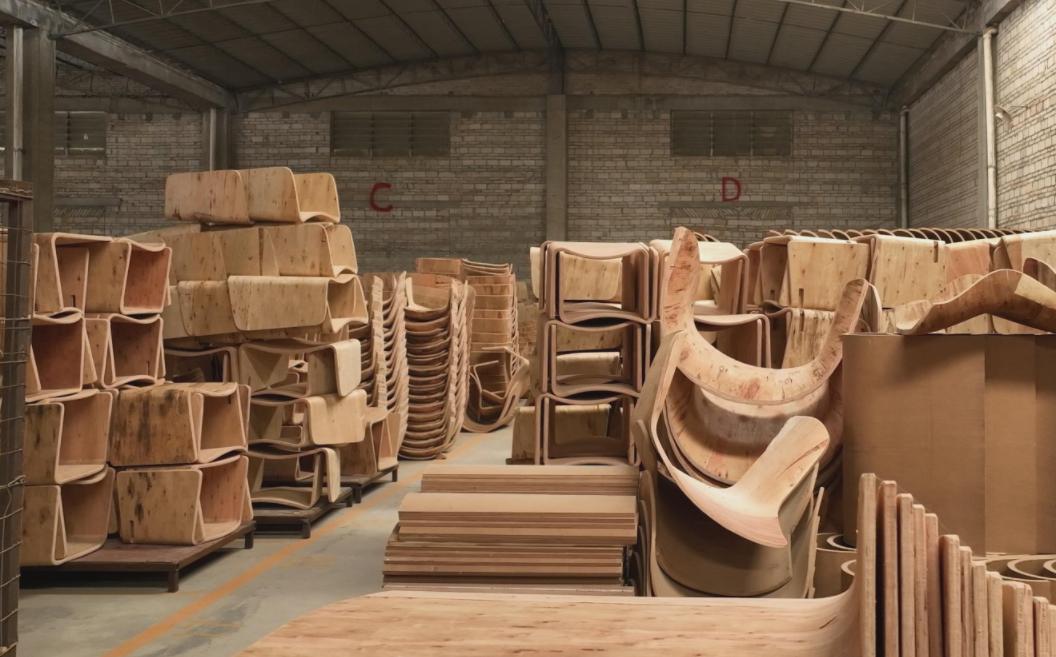
The supplier’s technical capacity is key to consistent quality:
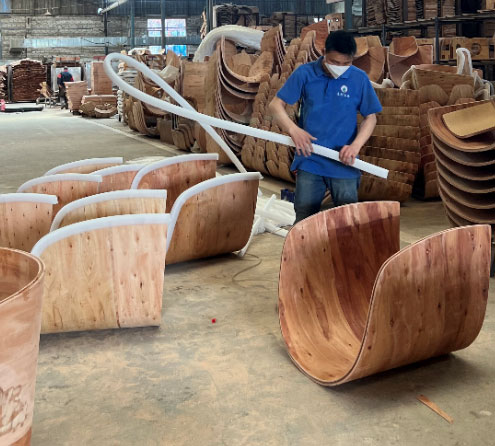
Pressing and molding equipment: Confirm they use industrial presses (heated platen or vacuum) for accurate shell curvature.
CNC and trimming tools: Precise shaping reduces defects and ensures uniformity.
Surface finishing facilities: Automated or semi-automated lacquering reduces inconsistencies.
Assembly lines: Check how shock mounts, bases, and hardware are installed and whether assembly is manual or mechanized.
Ask for production photos or short videos to confirm machinery and workflow.
Never place a bulk order without testing samples:
Visual inspection: Check veneer quality, surface finish, and grain matching.
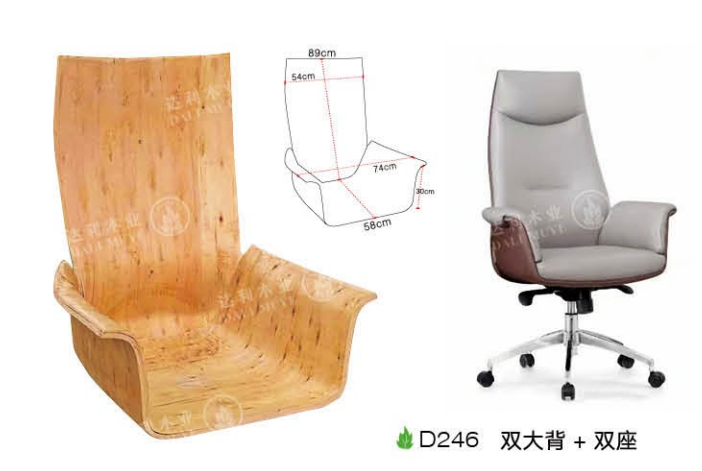
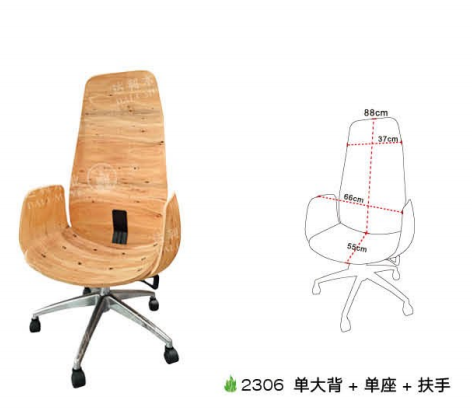
Dimensional check: Ensure curvature, hole placement, and base fitting match specifications.
Functional test: Sit on the chair to test stability, flexibility, and comfort.
Durability test: Simulate commercial usage (static and fatigue tests).
Samples also allow you to verify color consistency and finishing quality across multiple units.
A reliable supplier will have structured QC procedures:
Incoming raw material inspection: Verify veneer thickness, species, and adhesive quality.
In-process inspection: Check molding, trimming, sanding, and finishing stages.
Final inspection: Ensure assembled chairs meet specifications and are free from defects.
Third-party inspection: Consider hiring SGS, Bureau Veritas, or AsiaInspection to validate production and shipment.
Including QC checkpoints in your purchase contract ensures accountability and reduces disputes.
Smooth communication is essential:
Response time: Suppliers should respond promptly to inquiries and provide clear, detailed answers.
Language proficiency: English-speaking staff facilitate accurate order understanding.
Documentation: Quotes, POs, and technical drawings should be detailed and unambiguous.
Reliable suppliers are proactive in reporting potential delays or production issues.
Discuss clear payment arrangements:
Deposit and balance: Common practice is 30% deposit, 70% balance before shipment.
Escrow or L/C: Consider using secure payment methods for larger orders.
Contract clauses: Include specifications, lead times, QC requirements, and penalties for defects or delays.
A well-structured contract protects both buyer and supplier.
Importing chairs in bulk requires planning:
Packaging: Ensure shells are protected with foam, cartons, and palletized if necessary.
CBM optimization: Confirm carton sizes to reduce freight costs.
Delivery options: FOB, CIF, or DAP terms should be agreed upon.
Customs documentation: Supplier should provide commercial invoice, packing list, and certificate of origin.
Reliable suppliers understand international shipping standards and can handle export documentation efficiently.
Many importers prefer customized options:
Custom veneer species or colors
Private-label logos or branding
Alternate bases or upholstery pads
Special packaging for projects or retailers
Verify whether the supplier has experience with OEM/ODM projects and can meet your design requirements consistently.
Choosing a reliable supplier of Eames molded plywood chairs in China requires research, verification, and systematic evaluation. Key steps include understanding the product, checking credentials, evaluating manufacturing capabilities, testing samples, confirming QC processes, ensuring smooth communication, securing contracts, and planning logistics. By following these guidelines, importers can minimize risk, ensure consistent quality, and establish long-term partnerships with trustworthy suppliers.