

 Dec 30, 2025
 Calvin Wong
 1352
1352
Selecting the right hotel furniture plywood manufacturer is one of the most critical decisions in large-scale hospitality projects. From international hotel chains to boutique resorts, furniture quality directly impacts durability, safety, guest experience, and long-term maintenance costs. Plywood is widely used in hotel furniture due to its structural stability, cost efficiency, and design flexibility—but only when it is produced by a reliable manufacturer.
This guide explains how to evaluate and choose a hotel furniture plywood manufacturer for large-scale projects, helping procurement teams, designers, and project managers minimize risk while ensuring consistent quality and on-time delivery.
Large hospitality projects are fundamentally different from small residential or retail furniture orders. Before evaluating manufacturers, it is essential to clearly define project requirements.
Hotels require:
Large batch production
Strict consistency across rooms and buildings
Repeatable quality over multiple production runs
A manufacturer must demonstrate the ability to deliver uniform plywood quality and furniture components at scale.
Hotel furniture is exposed to:
High-frequency use
Cleaning chemicals
Climate variations
The plywood used must resist warping, delamination, and surface wear over years of service.
Not all plywood manufacturers understand hotel furniture requirements. A qualified supplier should have:
Proven experience with hotel casegoods, headboards, wardrobes, and seating
Knowledge of hospitality-grade standards
Familiarity with hotel brand specifications
Request references or project case studies related specifically to hotel furniture.
A strong hotel furniture plywood manufacturer typically controls:
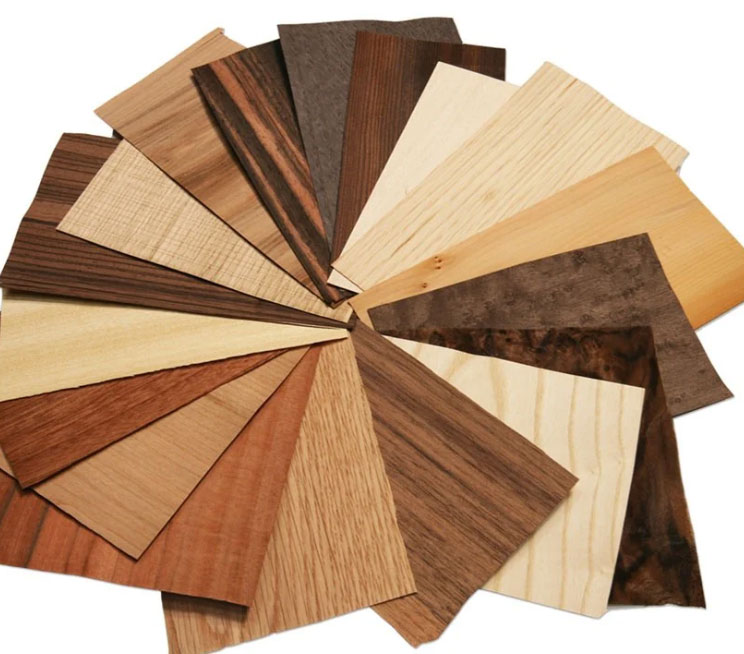
Veneer selection and drying
Plywood pressing (flat and molded)
CNC machining
Surface finishing
Assembly and packaging
In-house capabilities reduce dependency on subcontractors and improve quality control.
Key questions to ask:
What veneer species are used for the core?
Is the plywood cross-laminated symmetrically?
What thickness tolerances are maintained?
High-quality hotel furniture plywood should be stable, uniform, and free from internal voids.
Adhesives play a critical role in long-term performance. Manufacturers should:
Use CARB P2 / TSCA Title VI compliant glue
Offer moisture-resistant or fire-retardant options
Provide test reports upon request
Weak bonding leads to delamination, one of the most common failures in hotel furniture.
A reliable hotel furniture plywood manufacturer must comply with:
CARB Phase 2 / TSCA Title VI (USA)
E1 or E0 formaldehyde emission standards (EU)
Failure to meet these standards can delay projects or result in rejected shipments.
Many hotel projects require:
Fire-retardant plywood
Compliance with local fire codes
Manufacturers should clearly explain available fire-rated plywood solutions and certification options.
Large-scale hotel projects often require customization. A capable manufacturer should offer:
Engineering review of drawings
Material optimization for cost and durability
Technical feedback during design development
This collaboration helps prevent costly redesigns later.
Before mass production:
Full-size samples should be produced
Finishes and veneer matching must be approved
Structural and durability tests should be conducted
Sampling ensures alignment between expectations and final delivery.
Evaluate whether the manufacturer has:
Sufficient pressing and CNC capacity
Multiple production lines for parallel orders
Backup equipment to avoid delays
Production bottlenecks can seriously impact hotel opening schedules.
A professional manufacturer should provide:
Clear production schedules
Milestone updates
Contingency planning for peak seasons
Reliable lead times are essential for coordinated project execution.
Effective quality control includes:
Veneer moisture testing
Thickness and density checks
Bonding strength inspection
These checks should occur throughout production, not only at final inspection.
For hotel furniture plywood and assembled items:
Load-bearing tests
Surface wear and scratch tests
Visual inspection for defects
Manufacturers should document QC procedures and results.
Large hotel projects often require:
Room-by-room packaging
Component labeling
Installation-friendly packing sequences
Manufacturers with project experience understand these requirements.
International projects demand:
Export-standard packaging
Clear documentation
Coordination with freight forwarders
An experienced exporter reduces the risk of damage and customs delays.
For large-scale hotel furniture plywood orders, manufacturers should provide:
Dedicated project managers
Clear communication channels
Regular progress reporting
Good communication prevents misunderstandings and costly errors.
No large project is without challenges. The right manufacturer:
Responds quickly to issues
Proposes solutions instead of excuses
Takes responsibility for quality problems
This mindset is crucial for long-term partnerships.
Avoid suppliers with unclear pricing. A reliable manufacturer explains:
Material costs
Tooling or mold costs
Quality-related cost factors
Lowest price rarely equals lowest total cost in hotel projects.
Consider:
Furniture lifespan
Maintenance frequency
Replacement costs
High-quality hotel furniture plywood often delivers better long-term value.
Furniture-grade plywood with stable core veneers, low-emission adhesives, and consistent thickness is ideal. Moisture-resistant or fire-retardant options may be required depending on application.
Request samples, factory audit reports, certifications, and project references. On-site inspections or third-party audits are also recommended for large projects.
Yes. Properly manufactured plywood is widely used in hospitality furniture and can meet both residential and commercial durability standards.
Lead times typically range from 45 to 90 days, depending on volume, customization level, and production capacity.
Custom plywood furniture may involve higher upfront costs, but it often reduces long-term maintenance and replacement expenses.
Experienced manufacturers can plan phased production and delivery schedules to align with construction timelines.
Choosing the right hotel furniture plywood manufacturer is a strategic decision that directly impacts project success. By carefully evaluating manufacturing experience, quality control systems, compliance capabilities, and project management strength, buyers can reduce risk and ensure reliable performance across large-scale hotel projects.
A professional manufacturer is not just a supplier—it is a long-term partner capable of supporting complex hospitality requirements from concept to completion.