

 Dec 30, 2025
 Calvin Wong
 999
999
Plywood has become one of the most widely used materials in modern dining chair manufacturing. From iconic molded plywood designs to contemporary minimalist seating, dining chair plywood offers a unique balance of strength, flexibility, sustainability, and cost efficiency.
But how exactly is dining chair plywood made? What processes transform thin wood veneers into a strong, beautifully finished chair that can last for years?
This article takes you step by step through the entire manufacturing journey of dining chair plywood, from raw veneer selection to the final assembled chair. Whether you are a furniture buyer, designer, or brand owner, understanding this process will help you make better material decisions and evaluate quality with confidence.
Dining chair plywood is a multi-layer engineered wood panel specifically produced for chair components such as seats, backs, and sometimes legs or frames. It is made by bonding thin sheets of wood veneer together with adhesive, with each layer’s grain direction rotated to improve structural stability.
Unlike construction plywood, furniture-grade plywood used for dining chairs focuses on:
Smooth surface quality
Consistent thickness
High bonding strength
Aesthetic veneer appearance
For dining chairs, plywood is often further processed into bent or molded forms to achieve ergonomic curves and modern shapes.
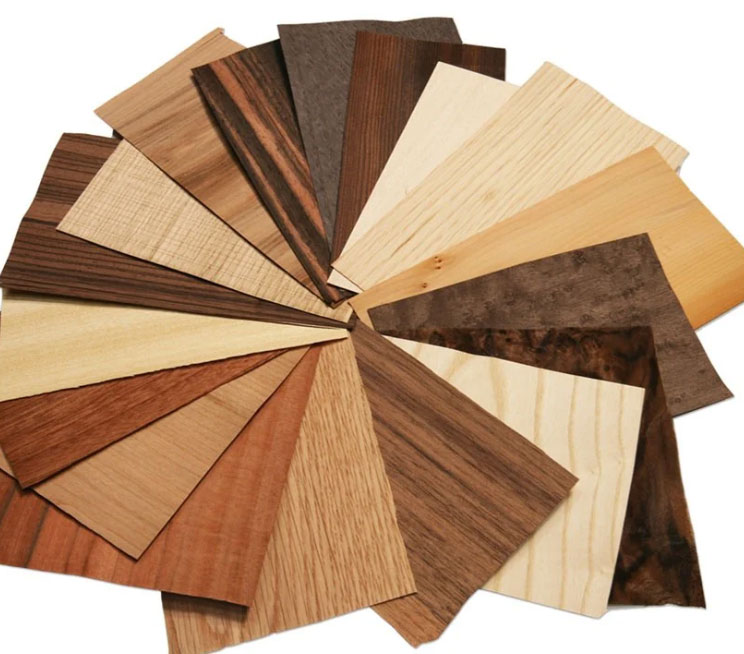
The quality of dining chair plywood starts with veneer selection. Common veneer species include:
Birch – Strong, uniform grain, widely used in modern furniture
Beech – Excellent bending performance, popular in European designs
Poplar – Lightweight, cost-effective core material
Okoume – Smooth surface, good for painted finishes
Oak / Walnut Veneer – Used mainly as face veneers for premium appearance
In high-quality dining chair plywood, the core veneers and face veneers are carefully matched to ensure strength and visual consistency.
Freshly peeled veneers contain high moisture content. Before gluing, veneers must be dried in industrial dryers to reach a controlled moisture level (usually 8–12%).
Proper drying is critical because:
Over-dried veneers become brittle
Under-dried veneers may cause delamination later
Consistent moisture ensures strong bonding and long-term stability of dining chair plywood.
Furniture-grade plywood uses adhesives that meet both strength and environmental standards. Common glue types include:
E0 / E1 Urea Formaldehyde (UF) – Indoor furniture use
CARB P2 compliant glue – Required for US markets
Phenolic glue – Higher moisture resistance
Low-emission or formaldehyde-free adhesives – For eco-focused brands
Choosing the right adhesive affects durability, safety, and compliance with international regulations.
Veneers are stacked with alternating grain directions, typically perpendicular to each other. This cross-grain structure:
Prevents warping and cracking
Improves load-bearing capacity
Enhances dimensional stability
For dining chair plywood, layers are usually symmetrical to avoid internal stress.
Flat plywood panels are produced using hot presses that apply heat and pressure to bond veneers together. These panels are later cut into chair components.
Flat plywood is commonly used for:
Chair seats with upholstery
Chair frames
Reinforcement panels
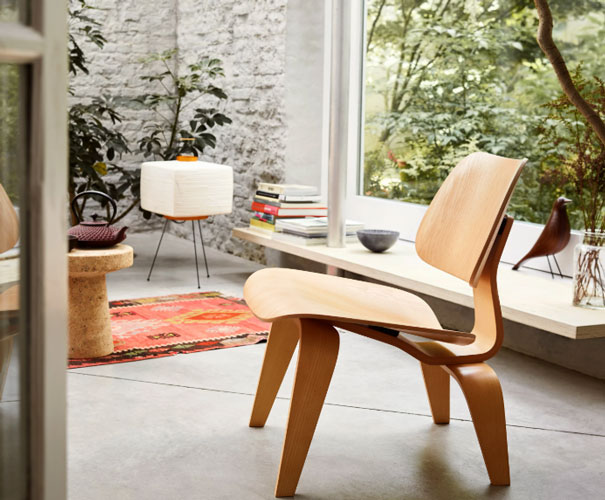
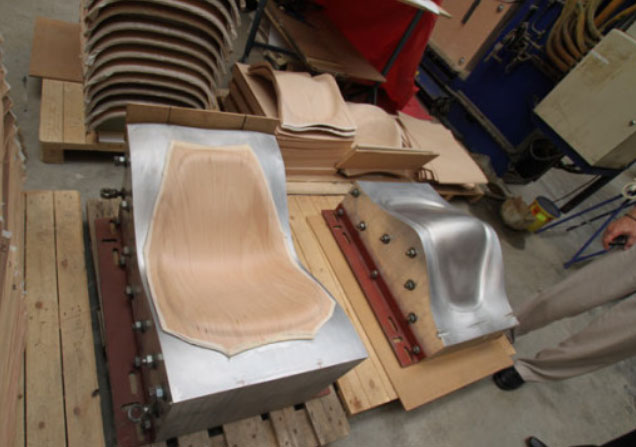
Molded plywood is what truly defines many dining chair designs. In this process:
Veneers are placed into a custom metal mold
Heat and pressure force veneers to bend and conform to the shape
The glue cures while the plywood is held in position
This method creates:
Ergonomic seat and back curves
Seamless one-piece shells
Stronger structures with fewer joints
Molded dining chair plywood is widely used in mid-century modern and contemporary designs.
After pressing, plywood parts are trimmed to precise dimensions.
High-quality manufacturers use CNC machines to ensure:
Accurate edge profiles
Consistent hole placement
Perfect symmetry across batches
CNC machining also allows complex shapes that would be impossible with manual cutting.
Edges may be:
Rounded for comfort
Chamfered for design aesthetics
Covered with edge veneer for a seamless look
Well-finished edges are a key indicator of premium dining chair plywood.
Before finishing, plywood surfaces undergo multi-stage sanding.
This process:
Removes glue residue
Levels veneer joints
Prepares the surface for staining or painting
Furniture-grade dining chair plywood typically requires much finer sanding than construction plywood, especially when a natural wood finish is planned.
Dining chair plywood can be finished in several ways:
Natural clear lacquer – Highlights wood grain
Stained finish – Enhances color while preserving texture
Painted finish – Modern, uniform appearance
UV coating – Improved scratch resistance
Oil finish – Warm, natural feel
The choice depends on design intent, market preference, and cost considerations.
Finishes must meet regulations such as:
EN standards (EU)
CARB / TSCA Title VI (US)
Low-VOC finishes are increasingly demanded by global buyers.
Plywood components are then assembled into finished dining chairs.
Depending on the design:
Plywood shells may be mounted on solid wood or metal legs
Cushions or upholstery may be added
Fasteners are hidden to maintain clean aesthetics
At this stage, the plywood’s structural integrity becomes critical, as it must support weight and daily use without deformation.
Before packaging, dining chair plywood and finished chairs undergo strict quality checks, including:
Thickness tolerance inspection
Bonding strength tests
Load-bearing and durability tests
Surface defect inspection
Professional manufacturers also conduct static and dynamic load testing to ensure compliance with international furniture standards.
For export markets, dining chairs are typically:
Flat-packed or partially assembled
Wrapped with protective materials
Packed in reinforced cartons
Proper packaging prevents edge damage and surface scratches, preserving the quality of dining chair plywood during long-distance shipping.
Dining chair plywood offers several advantages over solid wood:
Greater dimensional stability
Better bending capability
More design flexibility
Efficient material usage
Consistent quality across large volumes
These benefits make plywood a preferred material for both mass production and premium designer chairs.
Yes. High-quality dining chair plywood, especially molded plywood, offers excellent strength due to its cross-laminated structure. Properly manufactured plywood chairs can easily meet international load-bearing standards.
Most dining chair plywood ranges from 9 mm to 15 mm, depending on the design and structural requirements. Molded shells often use multiple thin veneers layered together rather than a single thick panel.
Molded plywood uses multiple veneers glued and pressed into shape, while bent wood usually refers to solid wood steamed and bent. Molded plywood is generally stronger and more dimensionally stable for chair applications.
It can be. Many manufacturers use FSC-certified veneers, low-emission adhesives, and eco-friendly finishes. Plywood also maximizes wood utilization, reducing waste compared to solid wood furniture.
Yes. Manufacturers can customize:
Veneer species
Thickness
Molded shapes
Finishes and colors
Assembly structures
Customization makes dining chair plywood ideal for OEM and private-label projects.
With proper manufacturing and use, a plywood dining chair can last 10–20 years or more, depending on design, finish, and usage environment.
The journey of dining chair plywood—from thin veneers to a refined finished chair—is a combination of material science, craftsmanship, and modern manufacturing technology. Each step, from veneer selection to pressing, machining, and finishing, directly affects the chair’s strength, comfort, and visual appeal.
Understanding how dining chair plywood is made helps buyers and designers make informed decisions, evaluate quality accurately, and appreciate why plywood remains one of the most versatile materials in modern dining chair design.